
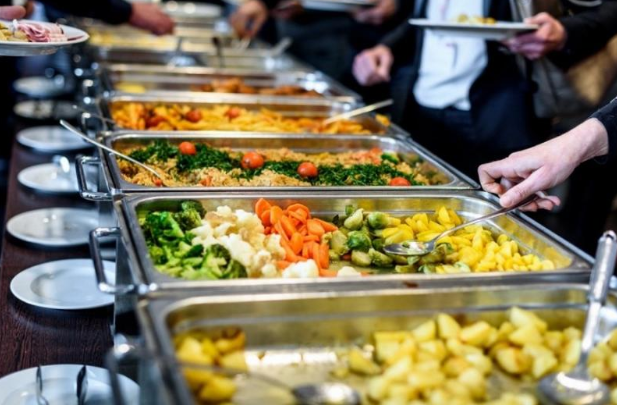
In catering, consistency is often what separates an acceptable meal from a dependable service experience. Guests may notice the taste and presentation, but behind every successful dining operation is a carefully managed system that ensures the right ingredients, equipment, supplies, and resources are available when required. For a catering service provider, this process becomes even more important when serving large teams, remote locations, industrial facilities, or demanding work environments where interruptions can affect both satisfaction and operations.
Efficient procurement provides the foundation for maintaining this consistency. It connects menu planning with sourcing, supplier management, quality control, logistics, inventory, and cost management. When these elements work together, catering teams can respond to operational requirements with greater confidence while maintaining appropriate standards across every meal service.
Understanding the Importance of Catering Procurement
Procurement in catering involves considerably more than purchasing food ingredients. It is a structured process of identifying requirements, evaluating suppliers, negotiating commercial terms, ordering products, monitoring deliveries, and ensuring that purchased items meet defined standards. A well-planned procurement system begins by understanding the needs of the operation. This includes the number of people being served, menu requirements, dietary considerations, service schedules, storage capabilities, location, and expected consumption patterns.
Such information allows purchasing teams to make informed decisions instead of relying on last-minute orders. Consistency is particularly important in large-scale catering. When meals are served to employees, contractors, guests, or residents on a regular basis, they expect familiar standards. Reliable procurement helps ensure that ingredients remain available and that substitutions do not unnecessarily affect recipes, quality, or presentation.
Building Reliable Supplier Relationships
Strong supplier relationships are an important component of an efficient catering operation. Depending on a single supplier without appropriate evaluation can expose a business to disruptions if stock becomes unavailable, deliveries are delayed, or quality does not meet expectations.
Supplier selection should therefore consider several factors, including product quality, reliability, capacity, pricing, delivery performance, compliance, and responsiveness. A supplier that consistently meets agreed requirements can become a valuable operational partner rather than simply a source of products. Maintaining relationships with suitable suppliers can also improve communication. Catering teams can share forecasts, discuss changing requirements, and address potential supply issues before they become major operational problems. Over time, this creates a more responsive procurement network.
Maintaining Quality from Source to Service
Food quality begins long before ingredients reach the kitchen. Procurement decisions can influence freshness, nutritional value, shelf life, food safety, and ultimately the experience of the person receiving the meal. For this reason, purchasing processes should incorporate clear specifications for products. These may cover acceptable grades, quantities, packaging, storage conditions, delivery temperatures, expiry periods, and other relevant requirements.
Clear specifications make it easier for procurement and catering teams to assess whether deliveries meet expectations. Quality checks should continue when products arrive at the site. Teams can inspect quantities, packaging, condition, and relevant documentation before accepting deliveries. This approach helps prevent unsuitable products from entering the operation and reduces the likelihood of quality issues appearing during meal preparation.
Supporting Operations in Demanding Environments
The importance of procurement becomes even more evident in environments where catering services operate away from conventional supply networks. Industrial and remote-site operations may require careful coordination of food supplies, transportation, storage, personnel, and safety requirements. In such circumstances, procurement cannot operate as an isolated administrative function. It must be closely connected with kitchen operations, logistics, facilities management, health and safety procedures, and workforce planning.
A dependable procurement structure can help catering teams prepare for operational challenges by identifying alternative suppliers, planning delivery schedules, maintaining appropriate stock levels, and establishing processes for dealing with unexpected changes. This integrated approach supports continuity even when operating conditions are complex.
The Role of Technology and Data
Technology is increasingly helping catering organisations improve procurement visibility and decision-making. Digital purchasing systems can provide information about orders, supplier performance, inventory levels, pricing, and consumption. With access to reliable data, managers can identify purchasing trends and make decisions based on actual operational information. Automated processes can also reduce administrative workload and minimise errors associated with manual ordering and record keeping.
Connecting Procurement with Customer Satisfaction
Although procurement is primarily an operational activity, its impact eventually reaches the customer. The availability and quality of ingredients influence menus, preparation, presentation, and service continuity. When procurement processes function effectively, catering teams have the resources required to deliver meals according to planned standards.
This creates a more predictable experience for customers and reduces the operational pressures that can arise from shortages, delayed deliveries, or inconsistent supplies. Customer satisfaction is therefore closely connected with the less visible processes that support food service. Effective procurement allows catering teams to focus more confidently on preparing and serving meals rather than continually resolving supply-related problems.
Creating a Culture of Continuous Improvement
Procurement should not be viewed as a process that is completed once a purchase order is placed. Continuous monitoring can reveal opportunities to improve supplier performance, reduce waste, optimise costs, and strengthen service quality. Regular reviews can examine purchasing patterns, delivery accuracy, product quality, inventory movement, and customer feedback. The findings can then be used to refine specifications, adjust forecasts, reconsider supplier arrangements, or improve internal procedures. Such an approach creates a procurement cycle based on learning and improvement. It also encourages closer cooperation between procurement professionals, chefs, operations managers, suppliers, and other stakeholders involved in delivering the catering service.
Final Thoughts
Consistent catering experiences depend on a combination of people, processes, resources, and planning. Procurement brings many of these elements together by ensuring that the right products are sourced at the right quality, quantity, cost, and time. Organisations seeking dependable support can benefit from working with experienced specialists who understand both catering requirements and the wider operational environment in which those services are delivered.
Catering & Facilities Solutions (CFS) brings together catering and facilities expertise with operational knowledge, trained personnel, quality-focused processes, and an understanding of complex work environments. Its approach reflects the importance of delivering dependable services while maintaining efficiency, consistency, safety, and customer satisfaction. For businesses where food service forms an essential part of workforce support, a structured catering procurement strategy can provide the foundation needed to maintain reliable standards from sourcing through to the final dining experience.


