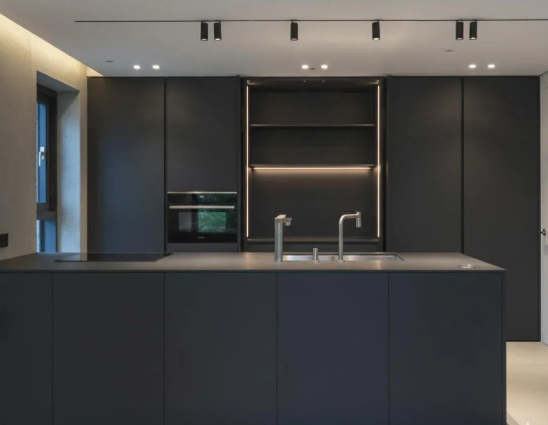
A surface can change the character of an entire space. It can make furniture look refined, walls feel more distinctive, and interiors appear more coordinated. This is where High Pressure Laminate (HPL) becomes a compelling choice, combining visual variety with practical performance. A Virgo HPL sheet offers designers and fabricators a flexible surface option for projects where appearance, durability, and application requirements must work together. But what makes HPL so versatile? The answer lies in understanding its texture, strength, finishes, and the ways it supports modern design.
Understanding What Makes HPL Sheets Versatile
HPL is valued for combining decorative appeal with functional surface performance. It can be used across different interior and architectural applications, making it relevant for furniture, commercial environments, offices, hospitality spaces, retail areas, healthcare settings, and other demanding spaces.
HPL’s versatility starts with the choice of appearance. Colours, patterns, wood-inspired designs, solid surfaces, and different textures allow designers to develop distinct visual concepts. Instead of treating a surface as only a protective layer, HPL becomes an important part of the overall design language.
Its practical characteristics are equally important. HPL surfaces can resist moisture, heat, and impact, making them suitable for applications that require regular use.
How Texture and Finish Influence Surface Design
Texture does more than change how a surface feels. It can influence how light interacts with the material and how a colour or pattern is perceived within an interior. A smooth finish may create a clean, understated appearance, while a more pronounced texture can add depth and character.
Finish selection should therefore align with the design intention. A refined surface may complement minimalist furniture, while a textured finish can bring additional visual interest to cabinetry, wall features, or decorative elements.
For designers, this variety creates opportunities to coordinate surfaces with flooring, furniture, walls, fixtures, and other elements. The result can be a more cohesive interior where every surface contributes to the intended atmosphere.
- Furniture and Cabinetry
HPL is well suited to furniture and cabinetry applications where designers need both decorative flexibility and a practical surface. Different colours, patterns, and textures can be selected to complement the style of wardrobes, cabinets, tables, storage units, and other furniture elements.
- Wall and Vertical Surfaces
Vertical surfaces can become strong design features when the right laminate appearance is selected. HPL can help create coordinated wall treatments, accent areas, partitions, and other interior surfaces while offering a combination of visual appeal and functional performance.
- Commercial Interiors
Commercial spaces often require surfaces that balance design with everyday usability. Offices, retail environments, hospitality spaces, and other commercial interiors can use HPL to create visually consistent surfaces across furniture, counters, walls, and selected architectural elements.
- Hospitality Spaces
Hospitality interiors depend heavily on visual presentation. Surface finishes can influence how guests experience reception areas, furniture, wall features, and other visible elements. HPL provides designers with different aesthetic directions for creating polished and coordinated environments.
- High-Traffic Environments
Public and high-use spaces require thoughtful material selection because surfaces may experience frequent contact and demanding conditions. HPL can be considered for applications where resistance to moisture, heat, and impact forms part of the surface performance requirements.
Strength Matters Alongside Appearance
An attractive surface is only one part of a successful material selection. The expected conditions of the application should also be considered. A surface used on furniture may have different requirements from one selected for a busy commercial environment.
This is where manufacturing quality and material performance become important. A reliable lamination company can provide surface solutions designed around both decorative requirements and functional expectations. Considering resistance, intended use, maintenance needs, texture, and finish together can make material selection more practical.
Strength should also be viewed in relation to the complete application. The substrate, fabrication method, installation, edge treatment, and surrounding conditions can all influence the final result. HPL selection should therefore form part of a broader project decision rather than being based only on colour or appearance.
Choosing HPL According to Project Requirements
Every project has its own visual and functional priorities. Before selecting an HPL surface, designers, architects, contractors, and fabricators can consider the following aspects:
- Intended application and location
- Required surface performance
- Colour, pattern, and overall design direction
- Texture and finish preferences
- Expected level of everyday use
- Compatibility with the overall interior concept
These considerations help connect aesthetic choices with practical requirements. They can also make the selection process clearer when several surface options appear suitable for the same application.
Creating Cohesive Designs with Surface Variety
Design versatility becomes especially valuable when multiple surfaces need to work together. A carefully selected HPL can complement furniture, wall treatments, cabinetry, counters, and other interior elements without making the space feel visually disconnected.
Texture can be used to create contrast, while coordinated colours and patterns can establish continuity. Designers can also combine understated surfaces with statement finishes to create focal points without overwhelming the overall concept.
The key is balance. A successful surface scheme does not necessarily require every element to look identical. Instead, related finishes, complementary tones, and purposeful contrasts can create a more considered environment.
Selecting the Right Surface for Long-Term Use
HPL selection should ultimately connect design expectations with the practical realities of the project. Understanding where the material will be used, how frequently the surface will be handled, and what visual character the space requires can help narrow down suitable options.
Technical documentation and product information can also support better decisions by giving professionals a clearer understanding of available surface characteristics, finishes, and application possibilities. Manufacturers that provide product resources and technical support can make this process easier for architects, designers, fabricators, and contractors.
Conclusion
HPL sheets bring together texture, strength, finish, and design flexibility, making them useful across a wide range of furniture, interior, commercial, hospitality, and architectural applications. The right selection depends on understanding both the desired appearance and the practical demands of the space.
For those looking for dependable and versatile surface solutions, Virgo Laminates offers a broad range of HPL and architectural surface products designed around aesthetics and practical performance. As one of the best laminate manufacturers, Virgo Laminates supports architects, interior designers, OEMs, contractors, and fabricators with surface solutions suited to diverse modern applications.