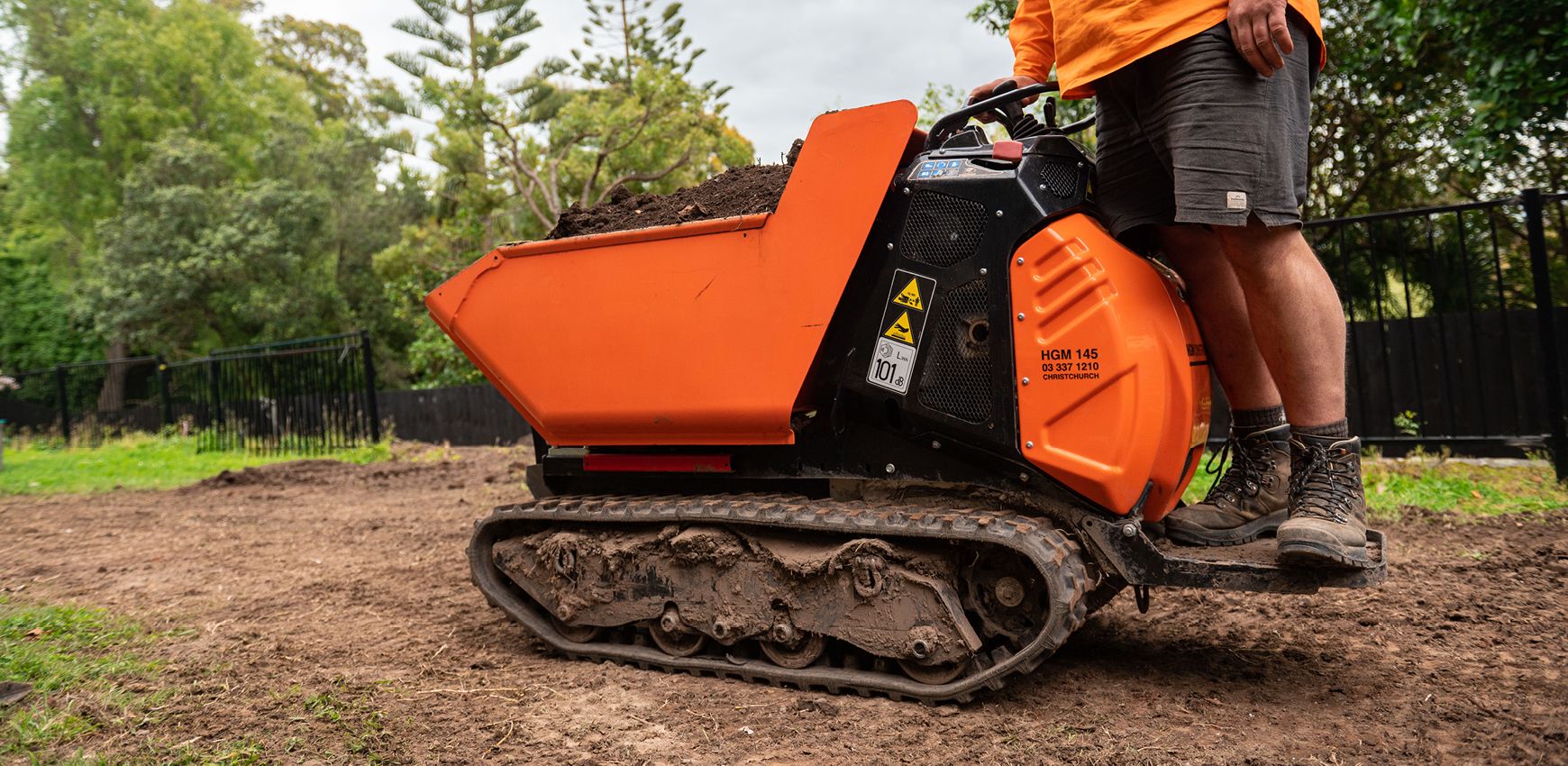
In modern construction and landscaping projects, productivity is closely linked to how safely and efficiently materials can be moved across job sites. As work environments become more complex, equipment suppliers are placing greater emphasis on advanced engineering, operator protection, and fuel-efficient performance. This is where mini dumper manufacturers play a critical role in shaping safer and more efficient material-handling solutions.
A mini crawler dumper is designed to operate in confined spaces, uneven terrain, and demanding site conditions. Leading mini dumper manufacturers focus on integrating safety systems and efficiency-driven technologies to ensure machines deliver consistent performance while minimizing operational risks.
Safety as a Core Design Priority
Safety is one of the most important considerations in dumper design. Modern machines are built to protect operators, reduce workplace hazards, and ensure stable performance under load.
Key safety features commonly include:
- Low center-of-gravity design for stability
- Roll-over protection structures (ROPS/FOPS)
- Strong braking systems for slope control
- Emergency stop mechanisms
- Operator presence detection systems
These features help prevent accidents in environments where tipping risks, uneven ground, and heavy loads are common. Industry research shows that compact dumpers often operate in confined and high-traffic construction areas, making safety systems essential for accident prevention.
Stability and Terrain Safety in Real Conditions
One of the main safety advantages of crawler-based dumpers is their ability to maintain stability on uneven terrain. The tracked undercarriage spreads weight evenly across the surface, reducing pressure and improving balance.
This design helps:
- Prevent tipping on slopes and soft ground
- Improve traction in muddy or loose soil
- Maintain control during heavy load transport
- Reduce sinking on unstable surfaces
Crawler systems are specifically engineered for rough terrain mobility, ensuring safe operation in construction and agricultural environments.
Efficiency Through Engine and Fuel Optimization
Efficiency is another major focus for manufacturers. Modern mini dumpers are designed to reduce fuel consumption while maintaining strong performance under load.
Efficiency improvements include:
- Diesel engines with high torque at low RPM
- Optimized hydraulic systems for smooth lifting
- Auto-deceleration and idle reduction features
- Improved transmission systems for controlled speed
Some advanced systems can reduce unnecessary fuel consumption by automatically adjusting engine speed during idle or standby periods, improving overall operational efficiency.
Hydraulic Systems for Faster Work Cycles
Hydraulic technology plays a central role in improving both safety and efficiency. A well-designed hydraulic system ensures smooth lifting, controlled dumping, and reduced mechanical strain.
Benefits include:
- Faster loading and unloading cycles
- Precise control during material discharge
- Reduced operator fatigue
- Lower risk of mechanical failure
Efficient hydraulic systems also help maintain consistent workflow on busy job sites, improving overall productivity.
Operator Safety and Ergonomics
Manufacturers also focus heavily on operator comfort and usability. A safe and efficient machine must be easy to control and reduce fatigue during long working hours.
Common ergonomic improvements include:
- Intuitive joystick or lever controls
- Adjustable seating and vibration reduction
- Clear visibility of working areas
- Easy access to maintenance points
These features allow operators to work more accurately and safely, especially in tight or hazardous environments.
Maintenance Design for Long-Term Efficiency
Efficiency is not only about performance but also about minimizing downtime. Manufacturers design machines with easy maintenance access to ensure quick servicing and reduced repair delays.
Key maintenance features include:
- Centralized lubrication points
- Accessible engine compartments
- Modular hydraulic components
- Durable wear-resistant materials
Simplified maintenance helps keep machines operational for longer periods, reducing overall project delays.
Conclusion
Mini dumper manufacturers play a vital role in advancing both safety and efficiency in construction equipment design. Through innovations in stability systems, hydraulic performance, engine optimization, and ergonomic design, modern machines are safer and more productive than ever before.
By prioritizing operator protection and operational efficiency, manufacturers ensure that mini crawler dumpers remain reliable tools for construction, landscaping, and agricultural industries, even in the most challenging working conditions.