Packaging quality directly affects product safety, shelf life, and customer trust. Many production issues start with poor sealing, not faulty materials. That is why choosing the right rotary sealer machine matters. A good machine supports consistent output, reduces waste, and fits smoothly into daily operations. However, not every sealer suits every production line. Factors like speed, packaging type, material compatibility, and maintenance needs play a major role. This article explains how to evaluate these factors clearly. The goal is to help decision-makers select equipment that supports long-term efficiency without adding unnecessary complexity.
Understand What a Rotary Sealer Machine Does
Before comparing options, it helps to understand the role of a rotary sealer machine.
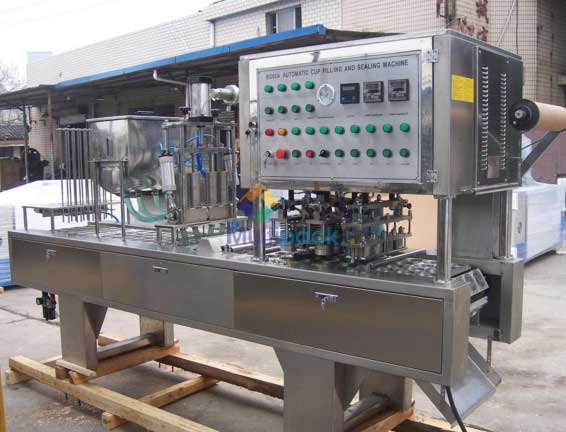
A rotary sealer applies heat and pressure to seal flexible packaging as it moves through a rotating system. These machines are suited to continuous, high-volume production lines. They deliver consistent seals at steady speeds. Many industries use them for food, pharmaceuticals, and consumer goods. Knowing this baseline helps align expectations with machine capabilities.
Define Your Production Requirements
Clear production goals guide better equipment choices. Start by reviewing current and future output needs. Consider how many units move through the line per minute. Check whether production runs stay consistent or change frequently. Also review available floor space and line layout. A rotary sealer machine should match required speed without forcing workarounds. Oversized equipment can waste energy, while undersized machines create bottlenecks.
Key points to assess
- Units per minute
- Shift duration and daily volume
- Line layout and space limits
Match Packaging Materials and Formats
Packaging material directly affects sealing performance. Different films respond differently to heat and pressure. Laminated films, polyethylene, and foil-based materials all seal at different temperatures. Pouch styles also matter. Flat pouches, stand-up pouches, and gusseted bags require different sealing pressure and jaw designs. Confirm that the rotary sealer machine supports the materials and formats used today and planned for later.
Review Machine Features and Controls
Modern features improve accuracy and ease of use. Look for simple control panels with clear settings. Touchscreen interfaces help operators adjust temperature and speed quickly. Sensors help detect sealing errors early. Easy changeover systems reduce downtime between product runs. These features improve consistency without adding training burden.
Consider Maintenance and Technical Support
Reliable machines still need regular care. Check how easily technicians can access sealing jaws, belts, and heating elements. Ask about spare part availability and service response times. A rotary sealer machine with strong support reduces downtime and protects production schedules. Training support also helps operators avoid avoidable errors.
Compare Cost With Long-Term Value
Purchase price alone does not reflect real cost. Factor in energy use, maintenance frequency, and part replacement. Faster machines often reduce labor costs over time. Durable components extend service life. A higher upfront cost may deliver better value across several years of operation.
Conclusion
Choosing the right rotary sealer machine requires practical evaluation, not guesswork. Production volume, packaging material, machine features, and service support all influence performance. When these factors align, sealing becomes consistent and predictable. That consistency protects product quality and improves line efficiency. Decision-makers should document current needs, review future plans, and compare machines against those requirements. A well-matched sealer supports growth without forcing frequent upgrades. The right choice simplifies operations and delivers steady results across every production cycle.