
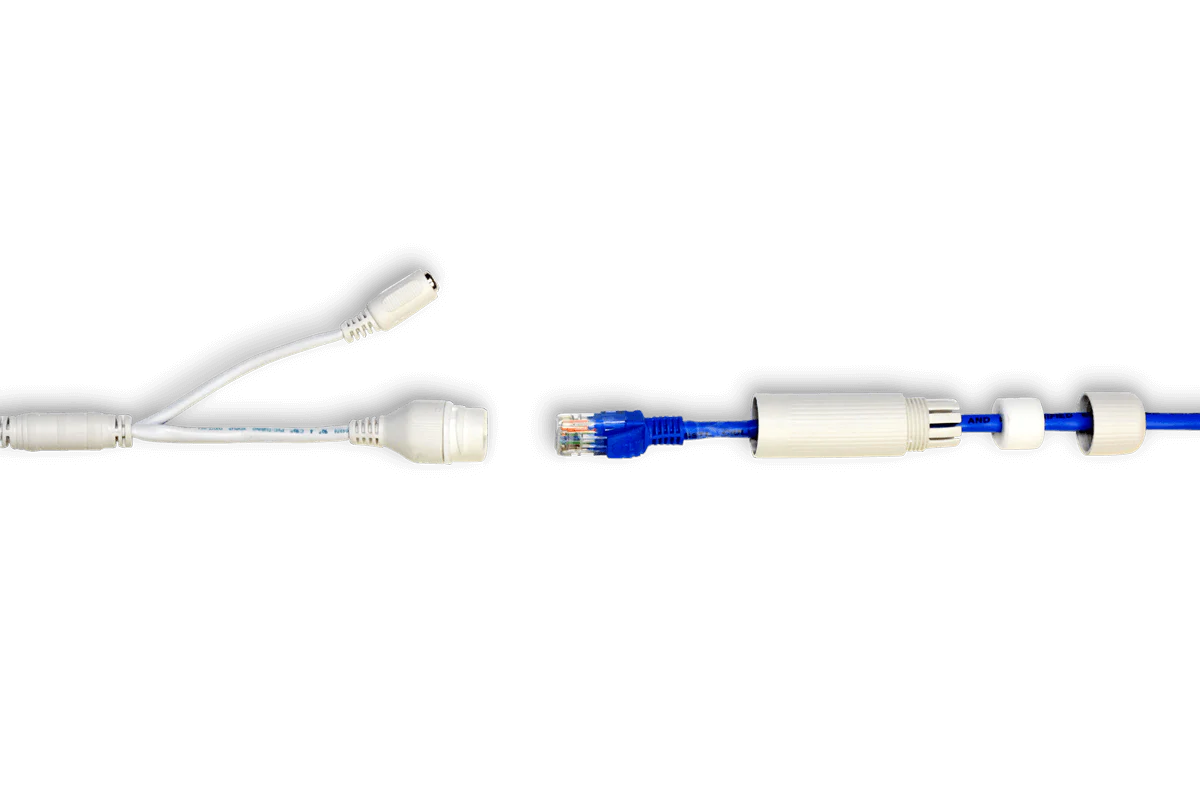
Surveillance systems rely on seamless communication between cameras, recording devices, and power sources. While cameras capture the footage, it is the connection infrastructure that ensures this data is delivered accurately and continuously. Without stable connections, even high-resolution systems can suffer from interruptions and performance issues.
A key component in this setup is the camera cable connector, which ensures both video signals and electrical power are transmitted efficiently. In many security installations, reliable camera cable connector components are essential for maintaining system stability and long-term performance.
What Is a Camera Cable Connector?
A camera cable connector is a hardware component used to join surveillance camera cables with other system devices such as DVRs, NVRs, monitors, and power supplies. Its main function is to create a stable link for both video transmission and electrical power delivery.
These connectors are designed to:
- Ensure continuous video signal flow
- Provide stable power supply to cameras
- Reduce signal interference and loss
- Support long-term surveillance operation
They act as the communication bridge that keeps the entire surveillance system functioning smoothly.
Role in Video Transmission
One of the primary functions of a camera cable connector is to maintain clear and stable video transmission from the camera to the recording system.
Signal Stability
A properly designed connector ensures that video signals pass through without distortion or interruption. This is especially important in continuous monitoring environments where even brief signal loss can create security gaps.
Reduced Interference
High-quality connectors help shield video signals from electromagnetic interference caused by nearby electrical devices or wiring systems.
Consistent Image Quality
Stable connections help preserve image clarity, ensuring that surveillance footage remains sharp and usable for security analysis.
Role in Power Transmission
In addition to video signals, surveillance cameras require a constant power supply. Camera cable connectors help deliver electricity safely and efficiently.
Continuous Power Supply
Stable connectors ensure that cameras remain powered at all times, preventing unexpected shutdowns.
Safe Electrical Flow
Proper connectors reduce the risk of loose wiring, short circuits, or voltage drops that could damage equipment.
System Reliability
A stable power connection contributes directly to uninterrupted surveillance performance.
Common Types of Camera Cable Connectors
Different surveillance systems use different types of connectors depending on technology and installation requirements.
BNC Connectors
Used in analog and HD-over-coax systems, BNC connectors provide secure locking connections for video transmission.
DC Power Connectors
These connectors supply electrical power to cameras and are commonly used in both residential and commercial systems.
RJ45 Connectors
Used in IP-based surveillance systems, RJ45 connectors support both data transmission and Power over Ethernet (PoE).
Coaxial Connectors
These connectors are used in systems that rely on coaxial cables for long-distance video transmission.
Importance of Proper Connector Installation
Even high-quality connectors can fail if they are not installed correctly. Proper installation ensures long-term system performance and stability.
Secure Attachment
All connectors must be firmly attached to prevent loose connections that can cause signal loss.
Correct Wiring
Improper wiring can lead to reversed polarity or unstable video signals.
Clean Connection Points
Dust, corrosion, or debris can reduce conductivity and affect performance.
Proper Tool Usage
Using professional crimping and installation tools ensures accurate and reliable connections.
Factors Affecting Connector Performance
Several factors influence how well a camera cable connector performs in a surveillance system.
Material Quality
High-quality metals and insulation materials improve durability and conductivity.
Environmental Conditions
Outdoor installations must withstand:
- Rain and humidity
- Temperature changes
- Dust and physical exposure
Cable Compatibility
Using the correct connector for the cable type is essential for stable performance.
Electrical Load
Connectors must handle both video and power requirements without overheating or degradation.
Benefits of Using High-Quality Camera Cable Connectors
Investing in reliable connectors provides long-term advantages for surveillance systems.
Improved Video Quality
Stable connections help maintain clear and uninterrupted footage.
Enhanced System Reliability
Strong connectors reduce the risk of unexpected system failures.
Lower Maintenance Requirements
Durable components reduce the need for frequent repairs or replacements.
Better Power Efficiency
Stable electrical connections improve overall system efficiency and performance.
Common Problems Caused by Poor Connectors
Low-quality or damaged connectors can significantly impact surveillance performance.
Video Signal Loss
Loose or faulty connectors may cause flickering or complete loss of video feed.
Power Interruptions
Unstable power connections can lead to camera shutdowns or system resets.
Intermittent Performance Issues
Inconsistent connections may result in unpredictable system behavior.
Conclusion
The camera cable connector plays a vital role in ensuring stable video and power transmission in surveillance systems. It acts as the critical link that keeps cameras connected, powered, and functioning efficiently.
By choosing high-quality connectors and ensuring proper installation, users can significantly improve system reliability, reduce maintenance issues, and maintain consistent surveillance performance across a wide range of environments.


