
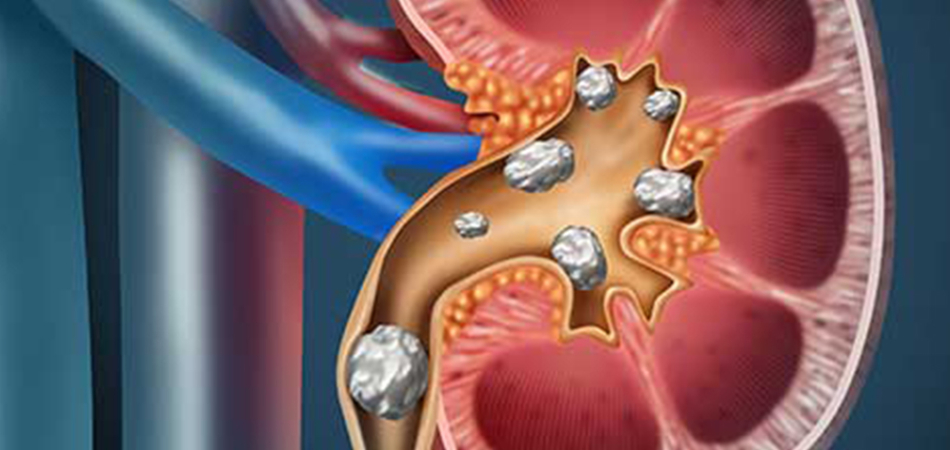
You finally get treated for a kidney stone, the pain disappears, and life feels normal again. Then months — or even weeks — later, another stone forms. Sound familiar?
Kidney stone recurrence is far more common than many people realise. In fact, studies show that nearly half of patients may develop another stone within five years if the underlying causes are not addressed properly. That is why visiting an experienced Dr. Mahesh K Dhanjee or consulting a trusted urologist in Dubai is not just about removing stones — it is about preventing them from coming back.
While dehydration and diet are often blamed, there are several overlooked triggers that quietly increase the risk of recurrence. Some of them are hidden in everyday habits, medications, or even untreated medical conditions.
Let us break down the real reasons why kidney stones sometimes return even after successful treatment.
Why Kidney Stones Often Come Back
Treating a kidney stone does not automatically eliminate the reason it formed in the first place.
Procedures such as laser lithotripsy or shockwave therapy remove existing stones, but if the body continues producing excess stone-forming minerals, recurrence becomes likely. This is where long-term monitoring by a skilled urologist in Dubai becomes essential.
Many patients assume they are “cured” once the stone is removed. Prevention is an ongoing process involving lifestyle adjustments, metabolic evaluation, hydration, and follow-up care.
1. Chronic Mild Dehydration
Most people know dehydration contributes to kidney stones. However, what is often overlooked is chronic mild dehydration.
You do not have to feel extremely thirsty for your urine to become concentrated enough for crystals to form. Living in hot climates, spending long hours outdoors, frequent exercise, or simply forgetting to drink water consistently can increase stone risk dramatically.
Warning signs may include:
- Dark yellow urine
- Strong-smelling urine
- Infrequent urination
- Dry mouth or fatigue
A urologist in Dubai may recommend measuring daily urine output rather than simply “drinking more water,” because fluid needs vary from person to person.
2. Hidden Dietary Habits
Many patients avoid obvious culprits like soft drinks or excessive salt but still develop recurrent stones because of less obvious dietary triggers.
Some surprisingly common contributors include:
- Excess animal protein
- High sodium intake from packaged foods
- Too many oxalate-rich foods without balance.
- Low calcium intake
- Frequent crash dieting
Interestingly, completely avoiding calcium can sometimes worsen certain kidney stones. The body may absorb more oxalate when dietary calcium is too low.
This is why personalised guidance matters. An experienced urologist female doctor or specialist can help patients understand how their unique eating habits influence stone formation instead of following generic internet advice.
3. Undiagnosed Metabolic or Hormonal Conditions
Sometimes the problem is not the kidneys alone.
Conditions such as:
- Hyperparathyroidism
- Gout
- Diabetes
- Obesity
- Recurrent urinary infections
- Renal tubular disorders
can all contribute to repeated stone formation.
For example, elevated calcium levels in the blood may continuously feed calcium-based stones without the patient even knowing there is a hormonal imbalance involved.
A detailed metabolic work-up by a qualified urologist in Dubai can uncover hidden abnormalities that standard treatment may miss.
4. Certain Medications and Supplements
This surprises many patients.
Some medications and supplements can unintentionally increase kidney stone risk, including:
- High-dose vitamin C
- Calcium supplements taken incorrectly.
- Certain diuretics
- Some migraine medications
- Protein supplements
- Excessive vitamin D
Even “healthy” wellness routines can sometimes contribute to stone formation when not medically supervised.
Patients who regularly take supplements often benefit from discussing them openly with their doctor. A knowledgeable urologist female doctor may assess whether adjustments are needed to reduce recurrence risk safely.
5. Skipping Long-Term Follow-Up
One of the most overlooked triggers is simply disappearing after treatment.
Many people seek urgent care during severe pain but skip follow-up appointments once symptoms improve. Unfortunately, small crystals or residual fragments can silently grow over time before causing another painful episode.
Regular monitoring may include:
- Urine analysis
- Kidney imaging
- Blood tests
- Stone composition analysis
- Dietary counselling
A proactive urologist in Dubai focuses not only on immediate relief but also on long-term prevention strategies tailored to each patient’s lifestyle and medical history.
Are Some People Naturally More Prone to Kidney Stones?
Yes. Genetics can play a significant role.
If close family members have experienced kidney stones, your risk may already be higher. However, genetics alone usually are not the full story. Lifestyle habits, hydration, diet, and medical conditions often interact with inherited risk factors.
That is why prevention strategies should always be personalised rather than copied from general online advice.
Can Stress and Lifestyle Affect Kidney Stones?
Indirectly, yes.
Stress itself does not directly create stones, but the habits associated with stress certainly can.
People under chronic stress may:
- Drink less water.
- Consume more processed food.
- Sleep poorly.
- Exercise less
- Increase caffeine intake.
Over time, these patterns may increase the likelihood of stone recurrence.
Busy professionals often underestimate how daily routines affect kidney health until symptoms return.
When Should You See a Specialist?
You should not wait until the pain becomes unbearable again.
Consider seeing a urologist in Dubai if you experience:
- Recurrent flank pain
- Blood in urine
- Frequent urinary infections
- Burning urination
- Family history of kidney stones
- Previous kidney stone episodes
- Persistent urinary discomfort
Patients who prefer personalised and comfortable consultations may also choose to consult a urologist female doctor depending on their preferences and care needs.
Common Questions About Recurrent Kidney Stones
Can kidney stones return after surgery?
Yes. Surgery removes existing stones, but it does not automatically prevent new stones from forming if the underlying causes remain untreated.
How long does it take for kidney stones to come back?
Recurrence varies. Some patients develop new stones within months, while others may remain stone-free for years with proper prevention.
Does drinking more water completely prevent kidney stones?
Hydration significantly reduces risk, but it is not the only factor. Diet, medical conditions, medications, and genetics also play important roles.
Are kidney stones more common in hot climates?
Yes. Hot climates increase sweating and fluid loss, which can concentrate urine and encourage crystal formation.
Should I see a specialist after my kidney stone treatment?
Absolutely. Follow-up care with a qualified urologist in Dubai helps identify recurrence risks early and improves long-term prevention.
Final Thoughts on Preventing Kidney Stone Recurrence
Kidney stones are frustrating enough the first time. Facing them repeatedly can feel even more discouraging — especially when you believed the problem was already solved.
The truth is that recurrence often happens because deeper triggers go unnoticed. From mild dehydration and hidden dietary habits to hormonal conditions and skipped follow-ups, small factors can quietly build up over time.
That is why comprehensive care matters. Dr. Mahesh K Dhanjee is committed to staying at the forefront of advanced technologies, surgical techniques, and modern treatment options while ensuring every patient feels heard, respected, and comfortable throughout their care journey. From renal stones and prostatic disease to paediatric urology and renal oncology, he manages a wide range of urological conditions with a patient-first approach.


