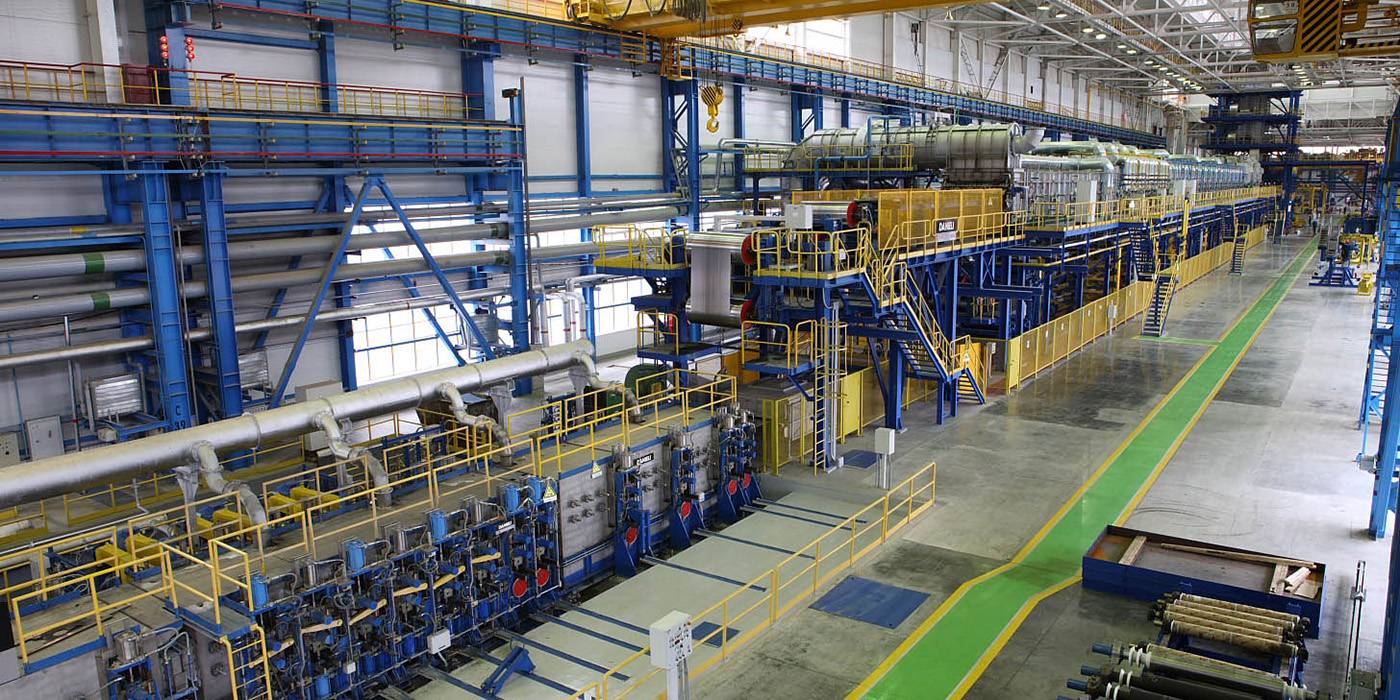
Steel processing industries are increasingly focused on reducing environmental impact while maintaining product quality and operational efficiency. As global demand for durable and eco-friendly materials grows, galvanizing technology continues to evolve toward more responsible production methods.
A well-structured hot dip galvanizing line plays an important role in supporting sustainable steel processing by improving resource efficiency, reducing waste, and enhancing long-term material performance.
Growing Demand for Sustainable Steel Production
Industries such as construction, transportation, and energy are placing greater emphasis on sustainability. Steel remains essential, but its production must align with environmental expectations.
Key sustainability goals include:
- Reduced energy consumption
- Lower emissions output
- Efficient use of raw materials
- Extended product lifespan
Galvanizing processes are adapting to meet these requirements.
Energy Efficiency Improvements in Galvanizing
Energy use is one of the major concerns in steel coating operations. New approaches focus on reducing fuel consumption in heating and processing stages.
Common Improvements:
- Better furnace insulation systems
- Heat recovery from exhaust gases
- Optimized burner control
- Reduced idle operation time
These measures help lower overall energy demand while maintaining stable production.
Reduction of Material Waste
Efficient use of materials is a key part of sustainable production. Zinc, acids, and other chemicals must be managed carefully to minimize waste.
Important strategies include:
- Zinc recovery from dross
- Chemical recycling systems
- Controlled coating thickness
- Improved bath stability
Reducing waste helps conserve natural resources and lower production costs.
Environmental Control in Production Facilities
Modern steel processing facilities are designed to reduce environmental impact through better control systems and cleaner production methods.
Focus Areas:
- Emission reduction systems
- Wastewater treatment processes
- Safe chemical handling
- Dust and fume filtration
These systems ensure cleaner and safer industrial operation.
Role of Automation in Sustainable Operations
Automation plays a significant role in improving efficiency and reducing unnecessary resource consumption. Controlled systems help maintain stable process conditions.
Automation benefits include:
- Accurate process regulation
- Reduced human error
- Consistent coating quality
- Lower material usage
Stable operation supports both productivity and sustainability goals.
Longer Service Life of Galvanized Products
One of the most important contributions of galvanizing to sustainability is the extended lifespan of steel products. Longer-lasting materials reduce the need for frequent replacement.
Benefits include:
- Reduced maintenance requirements
- Lower resource consumption over time
- Decreased environmental burden
- Improved structural reliability
Durable materials support sustainable construction practices.
Recycling and Circular Material Use
Steel and zinc are both highly recyclable materials. Recycling plays a major role in sustainable galvanizing operations.
Common recycling practices include:
- Reuse of zinc residues
- Recycling of steel scrap
- Recovery of process chemicals
- Reprocessing of byproducts
This reduces dependence on raw material extraction.
Process Optimization and Efficiency Trends
Modern production focuses on improving efficiency at every stage of galvanizing. Small improvements in process control can lead to significant resource savings.
Key optimization areas:
- Coating thickness control
- Line speed regulation
- Temperature stability
- Chemical balance management
Efficient processes reduce waste and improve output quality.
Industry Shift Toward Cleaner Technologies
The steel industry is gradually adopting cleaner and more responsible production technologies. This includes improved equipment design and better environmental management practices.
These changes aim to:
- Reduce pollution levels
- Improve workplace safety
- Increase production efficiency
- Support long-term sustainability goals
Conclusion
Sustainable steel processing is becoming an essential part of modern industrial development. Galvanizing technology continues to evolve with a focus on efficiency, environmental protection, and resource optimization.
A properly managed hot dip galvanizing line supports these trends by delivering durable steel products while reducing environmental impact and improving overall production efficiency for long-term industrial sustainability.