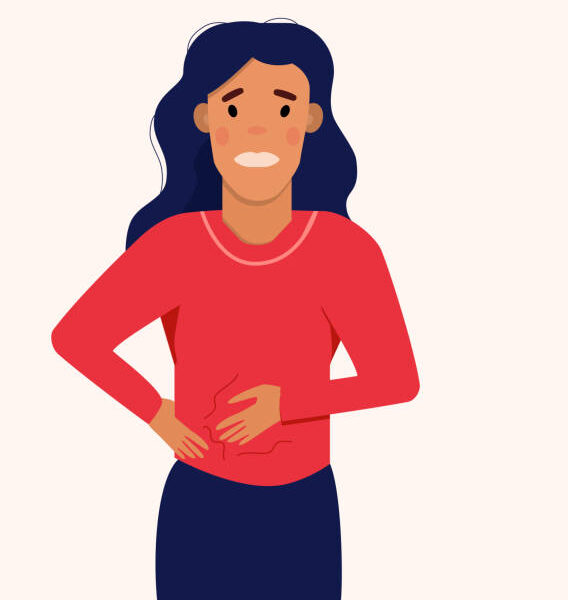
Chest pain is unsettling, and for good reason: it’s one of the most common symptoms that may indicate a serious heart condition, such as angina. It is essential to understand why chest pain is never to be taken lightly and learn the signs of angina for early intervention that may potentially be life-saving.
What Is Angina?
Angina is a type of chest pain or discomfort that occurs when the heart muscle does not get as much oxygen-rich blood as it needs. It most often occurs due to coronary artery disease or reduced or blocked coronary arteries. Angina feels like a squeezing, pressure, or heaviness in the chest that may radiate to the shoulders, arms, neck, jaw, or back.
In many cases, medications like ecosprin 75 tablet are prescribed to help improve blood flow and reduce the risk of clot formation, thereby preventing angina episodes and heart-related complications. Not all chest pain is created equal, and angina should be recognised as a warning that your heart needs immediate attention to prevent serious complications, including a heart attack.
Types of Angina
There are two significant types of angina: stable and unstable. Stable angina is predictable, happening with physical exertion or with emotional stress, and is relieved by rest or medication. Unstable angina, however, may occur in a very unpredictable way, even at rest, and is severe. Unstable angina is a medical emergency that requires immediate care because it indicates a high risk of a heart attack.
Variant or Prinzmetal’s angina is less common and is caused by a temporary spasm of the coronary arteries. It most often occurs at rest and requires medical evaluation.
Why Chest Pain Must Never Be Ignored
Chest pain may be a subtle alarm for severe, life-threatening heart diseases. Delays in diagnosis and treatment due to symptoms being ignored may result in permanent heart damage or sudden cardiac events. The timely recognition of symptoms of angina thus enables timely intervention to save lives.
These include pain in the chest lasting more than a few minutes, radiation of pain to other parts of the body, sweating, nausea, shortness of breath, or dizziness. If these symptoms occur, especially in combination, immediate medical care is required.
Angina and Chest Pain Management
Treatment relieves pain, improves blood flow, and prevents heart attacks. Lifestyle modifications to be made include stopping smoking, managing weight, adopting a heart-healthy diet, engaging in regular exercise, and controlling blood pressure and cholesterol levels. Medication is frequently prescribed to reduce the workload on the heart, improve oxygen supply, and control risk factors associated with heart disease. This medication is useful in maintaining stable blood pressure and preventing further arterial narrowing. Severe blockage of the artery may need angioplasty or bypass surgery.
Conclusion
Chest pain must always be taken seriously, as it may be a serious warning sign of heart disease. Awareness, timely diagnosis, and appropriate management, along with the use of medications like Ecosprin 75, will go a long way in controlling symptoms and reducing the risk of heart attacks. Listening to your body and seeking prompt medical advice is the key to taking care of your heart.
Disclaimer: This article is for information and should not be used as a substitute for professional medical advice. Consult a healthcare professional immediately in cases of chest pain or symptoms of angina. Prescription medicines should be used under the guidance of a healthcare professional.