
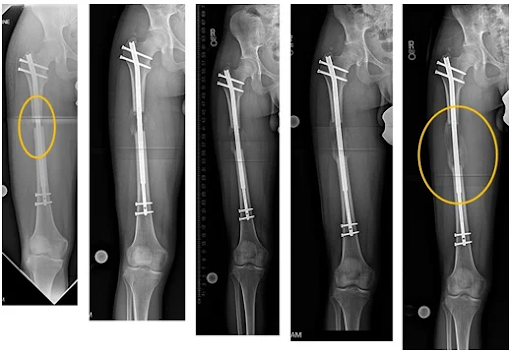
Limb lengthening surgery is no longer limited to children or teenagers. Today, many adults consider this procedure for medical, functional, or personal reasons. Whether it is done to correct limb length differences, improve walking ability, or increase height, adult limb lengthening surgery has become safer and more advanced with modern medical technology. If you are thinking about this procedure, it is important to understand how it works, who it is suitable for, and what the journey looks like from start to recovery.
What Is Limb Lengthening Surgery?
Limb lengthening surgery is a specialized orthopedic procedure that helps increase the length of bones, most commonly in the legs. The surgery involves carefully cutting the bone and using a medical device to slowly separate it. As the bone is gradually pulled apart, new bone forms in the gap. This natural process is called bone regeneration.
In adults, the surgery is usually done using advanced internal or external devices that allow precise and controlled lengthening. The process happens slowly over several weeks or months to ensure safety and proper healing.
Why Do Adults Choose Limb Lengthening Surgery?
Adults may choose limb lengthening surgery for different reasons. Some people have one leg shorter than the other due to childhood conditions, accidents, or infections. This difference can cause pain, difficulty walking, or posture problems. Surgery can help restore balance and improve mobility.
Others consider the procedure for height increase. For some adults, short stature can affect confidence and quality of life. In carefully selected cases, limb lengthening surgery can provide a noticeable height increase while maintaining normal function.
Is Limb Lengthening Surgery Safe for Adults?
Yes, limb lengthening surgery can be safe for adults when performed by experienced orthopedic surgeons in well-equipped hospitals. However, adult bones heal more slowly than children’s bones, so recovery requires patience and commitment.
Doctors carefully evaluate a patient’s overall health, bone quality, age, and mental readiness before recommending surgery. Adults who follow medical advice, attend regular check-ups, and stay consistent with physiotherapy usually achieve good outcomes.
The Lengthening and Recovery Process
The treatment journey includes several stages. First is the surgery itself, which usually takes a few hours. After surgery, there is a lengthening phase where the bone is slowly extended by a few millimeters each day. This phase can last several weeks depending on the desired length.
After lengthening, the consolidation phase begins. During this time, the new bone hardens and becomes strong enough to support body weight. Physical therapy is a key part of both phases. Exercises help maintain muscle strength, joint flexibility, and proper movement.
Recovery in adults may take several months, and in some cases up to a year for complete healing.
Pain and Daily Life During Treatment
Mild to moderate discomfort is common during the lengthening phase, especially as muscles and tissues stretch. Pain is usually managed with medications and physiotherapy. Most patients are able to perform daily activities with some adjustments, though mobility aids like crutches or walkers may be needed.
Maintaining a positive mindset and realistic expectations plays an important role in recovery. The process is gradual, and results take time.
Cost and Practical Planning
Adults considering this surgery often plan carefully for the long treatment period, including time off work, rehabilitation, and medical expenses. Factors such as hospital facilities, surgeon experience, and follow-up care influence Limb lengthening Surgery cost in India, making it important to discuss all details with the medical team before starting treatment.
Who Is Suitable for Limb Lengthening Surgery?
Not every adult is suitable for limb lengthening surgery. Ideal candidates are physically healthy, have good bone quality, and are mentally prepared for a long recovery process. People with certain medical conditions, heavy smoking habits, or unrealistic expectations may be advised against the procedure.
A detailed consultation, medical tests, and imaging studies help doctors decide if the surgery is appropriate.
Know: Best Orthopedic Treatment in India
Possible Risks and How They Are Managed
Like any major surgery, limb lengthening has risks. These may include infection, stiffness, nerve irritation, or delayed bone healing. The good news is that most complications are manageable when detected early.
Regular follow-up visits, proper device care, and strict adherence to physiotherapy reduce risks significantly. Choosing an experienced surgeon is one of the most important steps toward a safe outcome.
Life After Limb Lengthening Surgery
Once healing is complete, most adults return to normal activities, including walking, working, and light exercise. The newly formed bone becomes strong and stable over time. Many patients report improved posture, better movement, and increased confidence.
Long-term success depends on maintaining a healthy lifestyle, staying active, and attending follow-up appointments as advised.
Final Thoughts
Limb lengthening surgery for adults is a serious but rewarding medical procedure for the right candidate. It requires time, patience, and commitment, but modern techniques have made it safer and more effective than ever before. By understanding the process, risks, and recovery journey, adults can make informed decisions and approach the surgery with confidence and clarity.


