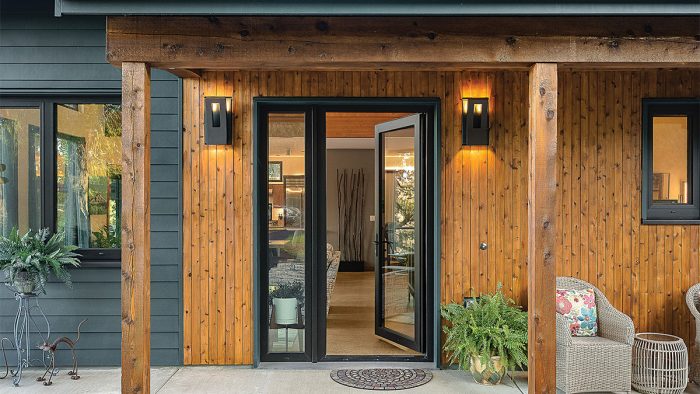
Energy efficiency depends on more than insulation and modern appliances. Doors also affect how well a home retains indoor temperature throughout the year. Poorly sealed doors often allow heat loss, drafts, and unnecessary energy use. Passive house doors help solve these problems through advanced insulation and airtight construction, which improves comfort while reducing heating and cooling demands in energy-efficient homes.
What Are Passive House Doors?
Modern energy-efficient homes require components that reduce heat transfer and improve airtightness. This is where passive house doors play an important role.
These doors are specially designed to limit energy loss while maintaining stable indoor temperatures. Manufacturers build them with insulated cores, thermal breaks, and advanced sealing systems. Many models also include triple-glazed glass for better thermal performance.
Unlike standard doors, these doors are designed to reduce air leakage and prevent outdoor temperatures from affecting indoor comfort. Their construction supports homes designed under strict energy-efficiency standards.
How Doors Affect Energy Efficiency?
Doors directly influence how much energy a home uses during different seasons. Poorly insulated doors often create gaps that allow warm or cool air to escape.
When air leakage increases, heating and cooling systems work harder to maintain indoor temperatures. This raises energy consumption and monthly utility costs. Even small gaps around a door frame can reduce overall thermal efficiency.
Heat transfer also affects indoor comfort. Rooms near poorly insulated doors often feel colder during winter and warmer during summer. Proper door insulation helps maintain consistent temperatures throughout the home.
Key Features of Passive House Doors
Several design elements help these doors improve energy performance:
- High Thermal Insulation: Insulated cores reduce heat movement between indoor and outdoor spaces.
- Airtight Sealing: Advanced gaskets and seals help prevent drafts and uncontrolled airflow.
- Thermal Break Technology: Thermal breaks reduce heat transfer through door frames.
- Triple-Glazed Glass: Multi-layer glass panels improve insulation while allowing natural light indoors.
- Multi-Point Locking Systems: These systems create tighter sealing around the frame and improve thermal efficiency.
Together, these features help homes maintain stable indoor conditions while using less energy.
Benefits of Using Passive House Doors
Homeowners often choose passive house doors because they improve both comfort and efficiency over time.
Lower Energy Costs
Reduced heat loss lowers heating and cooling demand, which helps decrease energy bills.
Better Indoor Comfort
Stable indoor temperatures help reduce cold spots and overheating near entryways.
Improved Noise Reduction
Thicker insulation and airtight sealing also help reduce outside noise.
Long-Term Sustainability
Energy-efficient materials and reduced energy consumption support environmentally responsible construction practices.
What to Consider Before Choosing One?
Several factors affect how well these doors perform in different climates and home designs. Homeowners should review insulation ratings, frame materials, and airtight performance before making a decision. Proper installation also matters because poorly installed doors may still allow air leakage. Climate conditions should also guide material selection. Homes in colder regions often require higher insulation performance to maintain indoor comfort efficiently.
Conclusion
Energy-efficient homes depend on strong thermal performance throughout the building envelope. Doors play a major role in controlling heat loss, airflow, and indoor comfort throughout the year. Passive house doors reduce energy use through airtight construction and advanced insulation. When homeowners choose high-performance doors with proper installation, they improve comfort, reduce utility costs, and support long-term energy efficiency.