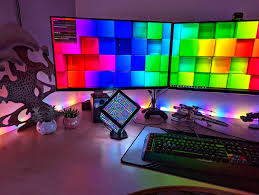
In today’s digital era, colors on our screens do more than just look pretty—they communicate, guide, and inspire. At the heart of this vibrant digital world is the RGB color model, the backbone of how colors appear on monitors, TVs, and mobile devices. While RGB provides designers with a powerful tool to create stunning visuals, it also comes with its own set of challenges, especially when moving from digital to print.
What is RGB?
RGB stands for Red, Green, and Blue, the three primary colors of light that combine in various intensities to produce millions of different hues. This additive color system works by layering light, meaning the more colors you combine, the closer you get to pure white. Each channel typically ranges from 0 to 255, allowing for over 16 million color combinations. This makes RGB essential for digital design, video, and web applications where precision and vibrancy matter most.
The Strengths of RGB
One of the most remarkable features of RGB is its ability to produce vivid, saturated colors. From deep blues to fiery reds and lush greens, RGB allows designers to create visuals that capture attention and evoke emotion. This flexibility is invaluable for web design, digital art, gaming, and multimedia content, where color can directly influence user experience and engagement.
Additionally, advancements in technology, such as HDR displays and wide color gamut monitors, have expanded the potential of RGB. HDR enhances brightness and contrast, while wide gamut displays allow for a richer spectrum of colors, letting digital creations appear more lifelike and immersive.
Understanding RGB Limitations
Despite its strengths, RGB is not perfect. Certain colors, like metallics, neon shades, or extremely saturated tones, cannot be accurately reproduced within the RGB gamut. This becomes especially apparent when digital designs are printed using CMYK, the subtractive color model used in printing.
Moreover, differences in monitor calibration, screen quality, and color profiles can lead to inconsistent color representation across devices. This is why a design that looks perfect on one screen may appear slightly different on another.
Color Depth and Its Role
RGB also depends on color depth, measured in bits per channel. An 8-bit RGB image allows for 256 levels per channel, while a 16-bit image supports over 65,000 levels. Higher color depth creates smoother gradients and more subtle color variations, which is critical for photography, video editing, and high-end digital art. However, it also requires more computing power and storage, something designers must consider in their workflows.
Bridging Digital and Print: RGB vs. CMYK
One of the biggest challenges in design is translating digital colors to physical prints. While RGB uses light to create colors, CMYK relies on ink, combining Cyan, Magenta, Yellow, and Black. This difference can lead to a loss in vibrancy or slight shifts in hue. Designers must use color management tools and careful planning to ensure printed materials reflect the intended colors accurately.
Future of RGB Technology
The evolution of RGB technology continues to expand its possibilities. From HDR content to wide-gamut monitors, digital designers now have more tools than ever to create rich, immersive visual experiences. Understanding both the range and limitations of RGB ensures that these tools are used effectively, maintaining consistency, vibrancy, and creative freedom.
Conclusion
RGB is more than just a digital color model—it’s a gateway to vibrant, dynamic visual storytelling. While challenges exist, especially in color translation to print, mastering RGB empowers designers to create visuals that captivate audiences. As display technologies advance, the role of RGB will only grow, cementing its place at the core of digital design and media innovation.