
If you run a small or medium-sized business and deal with international clients, I’m guessing this sounds familiar.
A payment is “on the way.”
Your customer has paid.
But the money takes days to arrive… and the fees? Nobody warned you about those.
That’s exactly where cross-border payment networks enter the picture. They promise faster, cheaper, and smoother international payments. But they’re not magic. Some things work beautifully. Others can surprise you if you’re not prepared.
Let’s talk about both—plain and simple.
What Are Cross-Border Payment Networks?
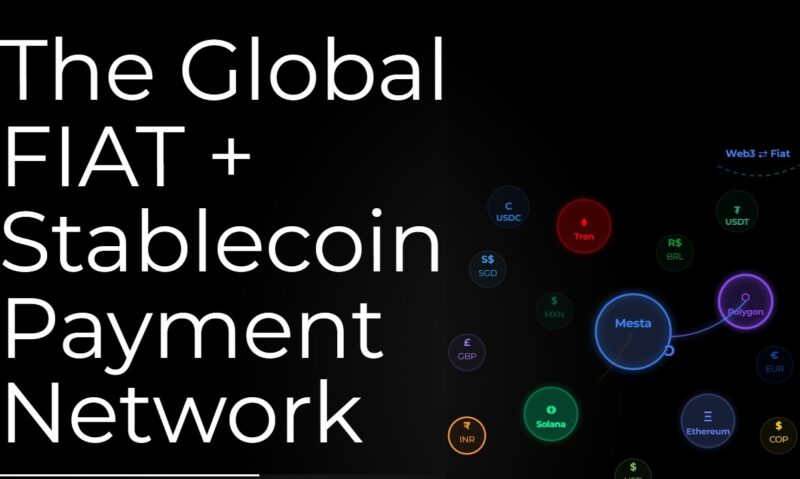
At a basic level, cross-border payment networks are systems that help money move between countries, currencies, and banks.
Instead of relying only on traditional bank-to-bank transfers, these networks use:
- Digital platforms
- Partner banks across regions
- Sometimes blockchain or API-based rails
The goal is simple: get money from Point A to Point B across borders with fewer delays and less friction.
Pro-tip: If a provider can’t clearly explain how your money moves, that’s a red flag. Transparency matters more than fancy dashboards.
Why SMEs Are Paying Attention
1. Faster Access to Cash Flow
Waiting 3–7 business days can hurt when you’re a small business.
Many modern cross-border payment networks settle payments within hours—or even minutes.
That means:
- Faster reinvestment
- Easier payroll planning
- Less stress at month-end
Pro-tip: Always ask about actual settlement time, not just “processing time.” They’re not the same.
2. Lower and More Predictable Fees
Traditional banks often stack costs:
- Transfer fees
- Hidden FX markups
- Intermediary bank charges
Newer payment networks usually offer:
- Flat or clearly listed fees
- Better exchange rates
- Fewer middlemen
For SMEs working on thin margins, that difference adds up quickly.
Pro-tip: Compare fees using a real invoice amount, not a demo calculator. That’s where surprises show up.
3. Easier Global Expansion
Selling to another country used to mean:
- Opening foreign bank accounts
- Handling complex compliance
- Managing currency risk manually
Many cross-border payment networks simplify this by letting you:
- Accept local payments
- Hold multiple currencies
- Pay vendors globally from one dashboard
Pro-tip: Start with one new market. Don’t go global everywhere at once.
The Real Challenges You Should Know About
This is the part most marketing pages skip.
1. Compliance Isn’t Optional
Cross-border payments touch regulations like:
- KYC (Know Your Customer)
- AML (Anti-Money Laundering)
- Country-specific financial rules
For SMEs, this can feel overwhelming.
Expect:
- Identity checks
- Business verification
- Ongoing monitoring
Pro-tip: Choose a provider that handles compliance with you, not one that just sends automated rejection emails.
2. Currency Conversion Risk
Even with low fees, exchange rates move.
If you’re invoicing in one currency and paying expenses in another, small fluctuations can quietly eat your profit.
Some networks offer:
- Locked-in FX rates
- Multi-currency wallets
- Scheduled conversions
Pro-tip: If you do recurring international payments, ask about forward or fixed-rate options early.
3. Integration and Tech Learning Curve
For tech-savvy teams, APIs and dashboards are exciting.
For beginners, they can feel intimidating.
Common issues:
- Accounting software not syncing properly
- Confusing reporting formats
- Limited customer support during setup
Pro-tip: Test the platform with a low-value transaction before moving serious money.
How to Choose the Right Cross-Border Payment Network
Here’s a simple checklist I recommend to SMEs:
Ask These Questions First
- How long does settlement actually take?
- Are FX rates fixed or variable?
- What countries and currencies are supported today?
- Is customer support human or ticket-only?
- How clear is the fee structure?
Don’t Overbuy
You don’t need:
- Advanced treasury tools
- Complex blockchain features
- Enterprise-only add-ons
You do need:
- Reliability
- Clear pricing
- Strong compliance support
Final Thoughts
Cross-border payment networks can be a game-changer for SMEs—but only if you use them with eyes open.
I’ve seen businesses save real money and expand faster just by choosing the right payment rails. I’ve also seen others rush in, ignore compliance, and get accounts frozen at the worst possible time.
So take it slow.
Test first.
Ask uncomfortable questions.
If a provider earns your trust early, that’s usually a good sign.
Call to Action
If you’re exploring cross-border payment networks for your business, start by mapping where your money comes from, where it goes, and how fast you need it. That clarity alone will save you time, fees, and frustration later on.
If you want help breaking that down step-by-step, just say the word.


