
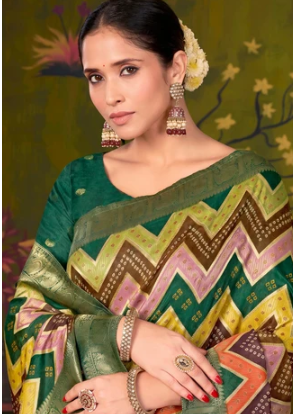
Every wardrobe has that one dress that just works. It sits perfectly, moves easily, and makes you stand a little taller. Often it isn’t the most expensive or the most elaborate piece. It simply suits your proportions. Understanding how length, structure, and detail interact is the secret, and it applies to everything from a casual kurta dress to elegant long dresses for women worn at weddings.
Here is a friendly guide to decoding these elements so you can choose with confidence. A quick note first: there are no strict rules about what you “should” wear. Think of the tips below as helpful starting points, and always put comfort and personal taste first.
Understanding Your Frame
Bodies come in many shapes and sizes, and people often describe their frames using familiar terms:
- Hourglass: bust and hips are similar, with a defined waist.
- Pear or triangle: hips are broader than shoulders.
- Inverted triangle: shoulders are broader than hips.
- Rectangle or straight: shoulders, waist, and hips are fairly even.
- Apple or round: the fuller part is around the midsection.
Height matters as well. Petite, average, and tall frames each handle length and volume differently. Rather than trying to fit into a category, use these as prompts. Notice which parts of your outfit you enjoy highlighting and which you prefer to keep softer.
Length: Where the Hem Sits Changes Everything
Hem length alters proportion more than almost any other detail.
- Knee-length and above: casual, youthful, and easy to move in. Best for daytime or relaxed gatherings.
- Midi (mid-calf): elegant and versatile, but the hem can cut across the leg, so pay attention to where it lands.
- Ankle-length: graceful and slightly more formal, a popular choice for festive wear.
- Floor-length: dramatic and elongating. Many long dresses for women fall into this category, from flowing gowns to full-length anarkalis.
For petite frames, a hem that skims just above the ankle or floor, combined with vertical lines, can create a longer visual line. Taller frames can carry bold, sweeping lengths and generous volume with ease. If you’re unsure, try a hem that ends at the narrowest part of your leg, such as just below the knee or at the ankle.
Structure: Shaping the Silhouette
Structure describes how the dress is cut and where it holds or releases fabric.
- A-line: fitted at the top and flaring gently from the waist, a flexible shape that balances many frames.
- Fit and flare: emphasizes the waist, with a skirt that swirls as you move.
- Empire waist: a high waistline just under the bust, creating a long, flowing skirt and plenty of comfort.
- Straight or column: a clean, sleek line that suits many occasions.
- Anarkali: a fitted bodice with a long, flared skirt, popular for festive wear.
- Sharara or gharara: flared trousers paired with a tunic, offering movement and a distinctive look.
- Half saree: a traditional South Indian outfit of a long skirt, fitted blouse, and a scarf draped like a saree, offering a layered look that adapts to many frames.
If you want to define your waist, choose structures with a nipped-in middle or a belt. If you prefer ease, empire and straight cuts give relaxed comfort. Structured fabrics such as organza or brocade hold shape, while softer fabrics skim the body.
Detail: Directing the Eye
Details decide where attention goes.
- Necklines: V-necks and scoop necks create vertical lines, boat necks broaden the shoulders, and square necks add structure.
- Sleeves: cap sleeves highlight the shoulders, three-quarter sleeves balance proportions, and statement sleeves add drama.
- Embroidery placement: detail around the neckline draws attention up, while embellishment at the hem draws it down. Vertical borders can elongate.
- Prints: large prints add visual volume, while smaller ones feel more delicate. Vertical stripes or panels create length.
- Color: deeper tones tend to feel sleek, while lighter and brighter tones draw the eye. Contrast panels can add or reduce emphasis.
The aim isn’t to hide anything. It’s to decide where you want the spotlight.
Fabric and Comfort Still Matter
Even the perfect cut can disappoint in the wrong fabric. A drapey georgette will move differently from a stiff silk, and heavily embroidered fabrics add weight. Look for breathable linings, sturdy seams, and soft finishing on the inside. Comfort when sitting, walking and dancing is a sign of a good fit.
Putting It Into Practice
Try these simple steps when trying on or browsing:
- Decide which feature you want to highlight, such as your shoulders, waist or legs.
- Choose a structure that supports that goal.
- Select a length that suits your height and the occasion.
- Add detail where you want the eye to travel.
- Check comfort by sitting, bending and moving.
Evening Looks and Special Occasions
For evenings, structure and detail often take center stage. A well-cut party dress for women might feature a fitted bodice, a skirt with movement and subtle shine in the fabric. Retailers such as Riwaaz offer size charts and styling information that make it easier to compare cuts and lengths before you buy. When ordering online, always compare your measurements to the chart instead of choosing by usual size alone.
Conclusion
Dress length, structure, and detail work together to shape how an outfit looks and feels. Length defines proportion, structure shapes the silhouette, and details guide the eye. Combine them with comfortable fabric and a good fit, and almost any frame can look fabulous. Experiment, trust what feels right, and treat guidance as inspiration, not rules. When it’s time to choose a party dress for women, apply these principles, check measurements carefully, and choose the cut that makes you feel confident from the first moment to the last.
Riwaaz is a Germany-based online fashion brand offering Indian and South Asian dresses, sarees, and ethnic wear for women and men. They provide size guides, premium fabrics, and dependable European shipping, helping customers find well-fitting outfits for weddings, festivals, and special evenings.


