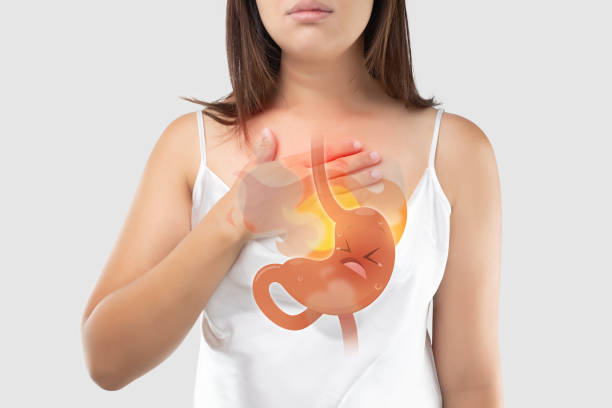
Indigestion and acid reflux are frequent digestive issues that tend to be a source of annoyance and discomfort. Although they have some of the same symptoms, being aware of the main differences between them is crucial for proper management and treatment.
What is Acid Reflux?
Acid reflux, or gastroesophageal reflux disease (GERD), if it is a long-term condition, occurs when stomach acid flows back up into the oesophagus—the tube between the stomach and the throat. This is due to a weak or relaxed lower oesophagal sphincter (LES), the muscle that usually prevents the stomach contents from flowing back up.
Common Symptoms of Acid Reflux:
- Burning pain or burning sensation in the chest or throat (heartburn)
- Sour or bitter taste in the mouth from acid regurgitation
- Difficulty in swallowing or a feeling of a lump in the throat
- Hoarseness or persistent cough
- Worsening of symptoms when lying down or bending over
Acid reflux is essentially inflammation and irritation of the oesophagus from stomach acid, which might be uncomfortable after meals, especially spicy or fatty foods, and worse at night.
What is Indigestion?
Indigestion, otherwise referred to as dyspepsia, refers to a group of symptoms in the upper digestive system, which have to do with stomach pain or discomfort. It is most commonly linked with inefficient digestion, overeating, or irritants such as caffeine, alcohol, and stress.
Symptoms of Indigestion:
- Upper abdominal pain or discomfort
- Feeling bloated and full rapidly
- Nausea and vomiting
- Belching and gas
- A burning or gnawing sensation in the stomach
Indigestion is not so much acid coming back up into the oesophagus as it is food breaking down in the wrong manner and slowed digestion that inflames the stomach.
Major Differences
- Location of Symptoms: Acid reflux pain is usually experienced as heartburn in the chest or throat, while pain from indigestion is in the upper abdomen.
- Cause: The cause of acid reflux is acid leaking out of the stomach into the oesophagus. Indigestion is a result of poor digestion or stomach irritation.
- Associated Symptoms: Regurgitation and oesophagus irritation symptoms, such as chronic cough, are caused by acid reflux. Belching, bloating, and nausea without acid regurgitation constitute indigestion.
- Triggers: Consuming food that quiets the LES (such as fatty foods, chocolate, or caffeine), eating large meals, or reclining within two hours of meal consumption can trigger acid reflux. Overeating, eating too quickly, hot foods, and anxiety trigger indigestion.
Managing Acid Reflux and Indigestion
Lifestyle and dietary modifications can help alleviate both conditions. These include eating smaller meals, avoiding foods that trigger these conditions, not reclining after meals, and maintaining a healthy weight.
Medications also relieve symptoms:
Pantop Dsr Capsule is a medication widely employed for acid reflux. It is a combination of pantoprazole (a proton pump inhibitor that reduces stomach acid output) and domperidone (which speeds up the emptying of the stomach and reduces nausea), both targeting acid production and digestive motility.
When to See a Doctor
If the symptom occurs frequently or becomes more severe, swallowing difficulties may arise, unintentional weight loss is noticed, or vomiting persists, consult a medical professional for proper diagnosis and management. for proper diagnosis and management. Nicopenta Dsr Capsule may be used for digestive upset and related symptoms, providing relief through its active ingredient combination that facilitates better digestion and relief of gastric distress.