The construction industry has changed significantly over the last decade. Businesses today are looking for building solutions that are faster to construct, cost-effective, durable, and flexible enough to meet changing needs. This is where pre engineered buildings have emerged as a practical and future-ready solution. From industrial warehouses and manufacturing units to commercial facilities and institutional spaces, these modern structures are transforming the way buildings are designed and constructed. Their ability to combine speed, quality, and efficiency has made them a preferred choice across multiple sectors. In a world where time and cost play a crucial role in every project, pre-engineered construction offers a smarter alternative to traditional building methods.
What Are Pre Engineered Buildings?
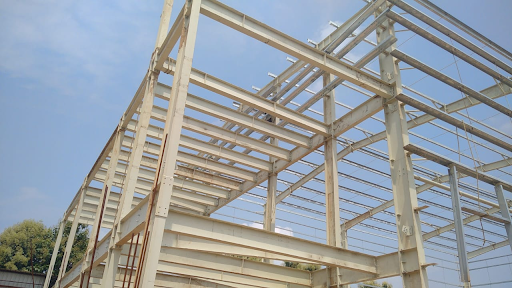
Pre engineered buildings (PEBs) are structures that are designed, manufactured, and fabricated in a controlled environment before being transported to the project site for assembly. Every component is carefully engineered to fit together with precision, reducing delays and minimizing construction challenges. Unlike conventional construction, where materials are processed on-site over several months, PEBs allow most of the work to be completed beforehand. This results in quicker installation and better quality control.
These buildings are typically built using high-quality steel components, making them strong, reliable, and suitable for various applications. As a result, many businesses now prefer steel structure buildings for their long-term performance and flexibility.
Key Benefits of Pre Engineered Buildings
1. Cost-Effective Construction
One of the biggest reasons businesses choose pre engineered buildings is cost savings.
Since the building components are manufactured with precision, there is significantly less material wastage compared to traditional construction methods. Additionally, reduced labor requirements and shorter project timelines contribute to lower overall expenses. Many projects can achieve savings of up to 30% to 35% when compared to conventional construction approaches, making PEBs an attractive investment for businesses of all sizes.
2. Faster Project Completion
Time is often one of the most valuable resources in any construction project. Traditional buildings can take several months to complete, while pre engineered buildings can often be delivered and assembled within a few weeks. Faster construction means businesses can begin operations sooner, generate revenue earlier, and avoid lengthy project delays.
For industries where operational efficiency is critical, this speed offers a major competitive advantage.
3. High Design Flexibility
Every business has unique requirements, and one of the greatest strengths of a PEB is its adaptability. Whether you need additional height, larger floor space, improved ventilation, or specific architectural elements, these buildings can be customized according to your needs. This flexibility allows businesses to create facilities that are both functional and visually appealing. A well-designed engineered structure can easily align with operational requirements while maintaining a professional appearance.
4. Exceptional Durability
Durability is another factor driving the popularity of pre engineered buildings. Constructed using premium-grade steel, these buildings are designed to withstand harsh environmental conditions, including strong winds, heavy rainfall, and seismic activity. Their robust construction ensures a long service life while maintaining structural integrity over time. For businesses looking for reliable infrastructure, steel-based construction provides long-term peace of mind.
5. Minimal Maintenance Requirements
Maintenance costs can significantly impact a building’s lifetime value. Fortunately, pre engineered buildings are designed to require minimal upkeep. The quality materials used in construction resist wear and environmental stress, helping reduce maintenance expenses over the years. This allows businesses to focus more on growth and operations rather than frequent repair work.
Applications of Pre Engineered Buildings
The versatility of pre engineered buildings makes them suitable for a wide range of industries and purposes.
Industrial Facilities
Industrial sectors widely use PEBs for warehouses, manufacturing units, production facilities, and storage centers. Their large column-free spaces provide maximum usable area for machinery, inventory, and operations.
Commercial Buildings
Retail outlets, office spaces, showrooms, and business facilities increasingly rely on pre-engineered construction due to its flexibility and modern appearance. Businesses can create customized commercial spaces that reflect their brand while maintaining cost efficiency.
Educational and Institutional Buildings
Schools, training centers, community facilities, and government establishments also benefit from the fast construction and durability offered by PEBs. When projects require reliable infrastructure within a limited budget and timeframe, pre-engineered solutions often become the preferred choice.
Factors to Consider Before Choosing a PEB
While the advantages are impressive, careful planning remains essential to achieve the best results.
Site Preparation
A strong foundation is critical for any successful building project. Proper site preparation includes groundwork, utility connections, drainage systems, and foundation readiness before assembly begins. Well-prepared sites help ensure smooth installation and long-term structural stability.
Defining Customization Needs
Before starting the project, it is important to clearly identify your requirements. Consider factors such as ventilation, insulation, natural lighting, internal layout, and future operational needs. Early planning helps create a building that perfectly supports your business goals.
Energy Efficiency
Sustainability has become a key priority in modern construction. Energy-efficient insulation systems, optimized building designs, and environmentally conscious construction practices can help reduce energy consumption and operating costs. Many modern steel structure buildings are designed with sustainability in mind, making them a smart choice for businesses looking to reduce their environmental footprint.
Future Expansion Possibilities
Business growth often creates a need for additional space. One major advantage of a well-planned engineered structure is its ability to accommodate future expansion with minimal disruption. By considering growth requirements during the initial design stage, businesses can save significant time and costs later.
Conclusion
When it comes to innovative prefabricated and pre-engineered construction solutions, Solvabuild stands among the trusted names in the industry. Solvabuild delivers high-quality building solutions designed for durability, energy efficiency, and long-term performance. Serving residential, commercial, and industrial sectors, Solvabuild focuses on creating future-ready facilities that combine cost-effectiveness, customization, and structural strength. Their commitment to sustainable construction practices and customer-focused solutions helps businesses build with confidence while preparing for future growth. If you’re looking for reliable, scalable, and modern construction solutions, Solvabuild offers the expertise and innovation needed to bring your vision to life.