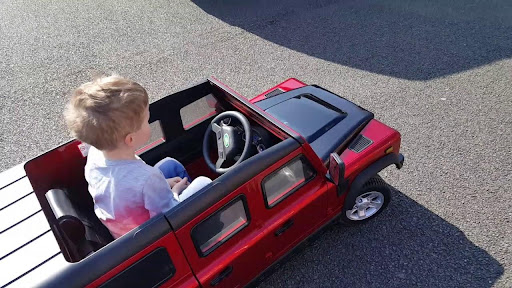
Investing in a driving car for kids is no longer a casual purchase driven purely by novelty or aesthetics. Parents evaluate children’s products with the same scrutiny applied to major household investments. They consider safety standards, product lifespan, developmental value, and long-term usability before making a decision. A well-chosen toy driving car can encourage independence, improve motor skills, and provide structured recreational engagement. However, not every model delivers equal value. Understanding what truly justifies the price is essential. From engineering quality to performance stability and after-sales support, several measurable factors determine whether a product is worth the investment.
This guide presents a practical and structured evaluation framework to help buyers make informed, confident decisions while ensuring children receive both enjoyment and developmental benefit from their purchase.
1. Structural Integrity and Certified Safety Features
The combination of strong construction and regulated safety systems forms the foundation of long-term value. Without these elements, even visually appealing models may fail to justify their cost.
- Reinforced Body Construction and Material Strength: High-density, non-toxic plastic with reinforced molding ensures durability and impact resistance. Premium-grade materials reduce cracking, fading, and deformation over time, maintaining structural stability even with frequent use. This solid construction framework supports long-term reliability and preserves the product’s visual and functional quality.
- Certified Safety Mechanisms and Compliance Standards: Look for internationally recognized safety certifications, seat belts, parental remote override systems, and soft-start technology. These features prevent abrupt acceleration and provide guardians with immediate control when required. Compliance with regulated standards demonstrates tested performance and reinforces buyer confidence in overall safety.
- Stable Wheelbase and Anti-Tip Engineering: A wide wheelbase, balanced chassis design, and traction-enhanced wheels reduce tipping risks during turns or uneven terrain use. Stability engineering directly impacts both safety and user confidence. Precision weight distribution further enhances control, ensuring smoother navigation across different surfaces.
2. Battery Efficiency and Controlled Performance Output
Performance is not measured solely by speed; it is defined by controlled power distribution, predictable handling, and consistent output. These elements ensure that a toy car remains dependable rather than becoming a short-lived novelty item.
- High-Capacity Rechargeable Battery Systems: Battery voltage and amp-hour capacity determine runtime and overall driving consistency. Reliable systems provide extended playtime without performance fluctuations, ensuring uninterrupted engagement. Stable power output also protects internal components from strain and enhances long-term operational efficiency.
- Smooth Acceleration and Gradual Speed Control: Soft-start motors prevent sudden jerks, creating a safer and more comfortable experience for young drivers. Adjustable speed modes allow customization according to age and driving ability. Controlled acceleration improves handling precision and reduces the risk of imbalance during operation.
- Energy Efficiency and Charging Reliability: Advanced charging systems with overcharge protection enhance battery lifespan. Efficient energy management reduces operational costs and ensures long-term functionality. Smart charging indicators and thermal safeguards further contribute to consistent and dependable performance.
3. Developmental and Educational Value
Top-rated ride-on cars support development beyond entertainment. It becomes a tool that combines recreation with structured learning benefits, providing measurable value for growing children.
- Motor Skill Enhancement and Coordination Development: Steering, acceleration control, and directional movement improve hand-eye coordination and spatial awareness. Regular use can contribute to refined motor responses and improved balance. Over time, these repeated actions strengthen cognitive-motor connections and enhance overall physical confidence.
- Confidence Building Through Independent Play: Controlled driving encourages decision-making and builds self-assurance. Children develop a sense of responsibility while operating within supervised boundaries. This guided independence nurtures problem-solving skills and promotes emotional growth in a safe setting.
- Imaginative and Social Engagement Opportunities: Realistic features stimulate role-play scenarios, promoting creativity and peer interaction. These experiences enhance communication skills and collaborative play. Shared driving adventures also encourage teamwork and help children understand social roles through imaginative storytelling.
4. Durability Across Usage Environments
Durability determines whether the purchase remains functional for years or requires early replacement. A resilient build protects the financial investment while ensuring uninterrupted enjoyment.
- Adaptability for Indoor and Outdoor Surfaces: Quality models are equipped with durable wheels capable of handling tiles, pavements, and moderately uneven terrain. This versatility expands usability and prevents premature wear. Reliable traction and shock absorption also enhance stability, ensuring smoother performance across different environments.
- Weather-Resistant Design and Component Protection: UV-protected surfaces and sealed electrical systems minimize environmental damage. Exposure to sunlight or minor moisture should not compromise performance integrity. Protective coatings and insulated wiring further safeguard internal components against long-term deterioration.
- Load Capacity and Long-Term Structural Stability: Adequate weight capacity ensures extended usability as children grow. A robust frame prevents sagging or weakening over time. Reinforced chassis engineering maintains balance and structural strength even with consistent daily use.
5. Long-Term Value, Warranty, and Support Ecosystem
Long-term value is defined not only by initial performance but also by sustained support and maintenance accessibility. A thoughtfully engineered toy driving car supported by dependable service infrastructure transforms a one-time purchase into a durable asset.
- Comprehensive Warranty Coverage: A reliable warranty reflects the manufacturer’s confidence in product quality. Coverage for motors, batteries, and electrical components reduces financial risk. It also provides buyers with long-term assurance that technical issues will be resolved without unexpected repair expenses.
- Availability of Spare Parts and Service Assistance: Accessible replacement parts extend the product’s lifecycle. Responsive customer support enhances overall ownership experience. Efficient service networks minimize downtime and ensure the product remains functional and safe over extended use.
- Transparent Product Specifications and Clear Documentation: Detailed user manuals, technical specifications, and maintenance guidelines empower buyers to maximize performance and longevity. Clear documentation helps parents understand operational limits and safety features. This transparency builds trust and supports informed purchasing decisions.
Conclusion
A purchase decision should extend beyond visual appeal or trending features. Structural reliability, certified safety systems, energy-efficient performance, developmental benefits, and durable construction collectively determine whether a ride-on vehicle justifies its price. When these factors align, the product delivers consistent value, safe operation, and meaningful engagement for children.
Discover thoughtfully engineered ride-on vehicles designed for safety, durability, and engaging play experiences for growing children at ISAKAA. Their premium jeep toy ride on models combine rugged design, advanced safety features, and smooth performance to deliver confident outdoor adventures. Explore a curated collection at ISAKAA that balances fun, functionality, and long-term value for modern families.