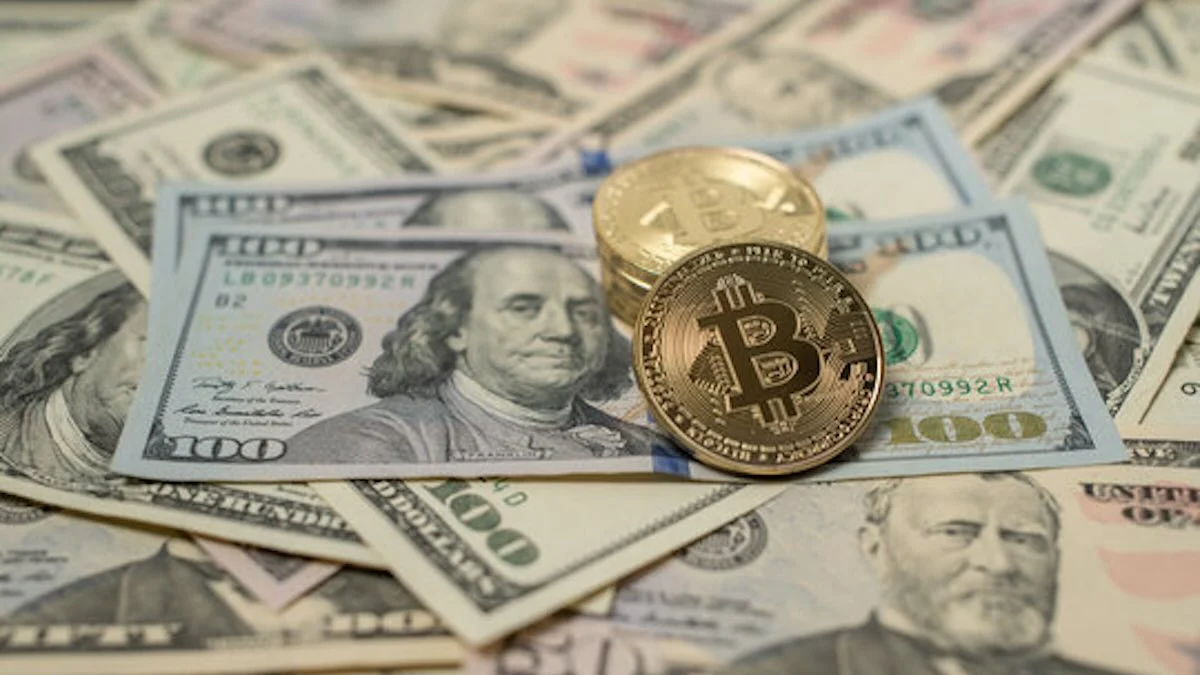
Every time you pay with a dollar, euro, or yen, you are using fiat money. But have you ever wondered why a paper bill has value? It is not backed by gold or silver. Instead, its worth comes from trust in the government that issues it. Understanding fiat money is essential for grasping how modern economies function. At Mesta, we help individuals and businesses move this money across borders faster and more affordably.
The Definition of Fiat Money
Fiat money is a government-issued currency that is not backed by a physical commodity like gold or silver. The term “fiat” comes from Latin, meaning “let it be done” or “by decree.” Its value derives solely from the trust and authority of the issuing government. Examples include the US dollar, the euro, the British pound, and the Japanese yen. Unlike commodity money (such as gold coins), fiat money has no intrinsic value—its purchasing power comes from collective confidence.
How Fiat Money Powers the Modern Economy
Without fiat money, modern financial systems would grind to a halt. Here is how it enables global commerce:
1. A Stable Medium of Exchange
Fiat money provides a consistent unit of account. Prices for goods, services, and labor are all expressed in it. This stability allows businesses to plan, budget, and trade without constant bartering.
2. Government Control Over Supply
Central banks can increase or decrease the supply of fiat money to manage inflation, unemployment, and economic growth. During a recession, they might inject more money to stimulate spending. During inflation, they can tighten supply. This flexibility is impossible with gold-backed currencies.
3. Debt and Credit Creation
Almost all loans, mortgages, and bonds are denominated in fiat money. Banks create credit based on fiat reserves, fueling investment and consumption. Without this system, large-scale infrastructure projects and business expansions would be nearly impossible.
4. International Trade and Reserves
Major fiat money currencies like the US dollar serve as global reserve currencies. Countries hold dollars to facilitate international trade, stabilize their own currencies, and pay for imports. This role underpins the entire global financial architecture.
Limitations of Fiat Money in Cross-Border Payments
While fiat money works well domestically, it struggles across borders. International transfers rely on correspondent banking networks, which are slow (3–5 days), expensive (6–7% fees), and opaque. Mesta addresses these limitations by bridging fiat money with blockchain technology. We convert your fiat into stable coins, transfer them instantly, and convert back to local fiat for the recipient. You get the trust of fiat money with the speed of digital assets.
Why Mesta Matters
Mesta does not replace fiat money—it enhances it. Our platform moves fiat currencies seamlessly across borders, settling in minutes instead of days. Whether you are a business paying suppliers or an individual sending remittances, Mesta makes fiat money work better for you.
Frequently Asked Questions (FAQs)
1. Is fiat money backed by anything tangible?
No. Fiat money is backed solely by the full faith and credit of the issuing government. Its value comes from public trust and legal tender laws.
2. Why does fiat money have value if it is not backed by gold?
People accept fiat money because they know others will also accept it for taxes, debts, and everyday purchases. This collective agreement gives it value.
3. Can fiat money lose all its value?
Yes, if a government mismanages supply, hyperinflation can occur (e.g., Zimbabwe or Weimar Germany). However, stable governments protect their fiat money through central bank policies.
4. How does Mesta use fiat money in its platform?
Mesta accepts fiat deposits (USD, EUR, etc.), converts them to stable coins for fast blockchain transfer, then converts back to local fiat money for payout. You never handle crypto.
5. Is fiat money being replaced by cryptocurrency?
No. Most cryptocurrencies are too volatile for daily use. Instead, blockchain complements fiat money by making transfers faster and cheaper. Mesta bridges both worlds.