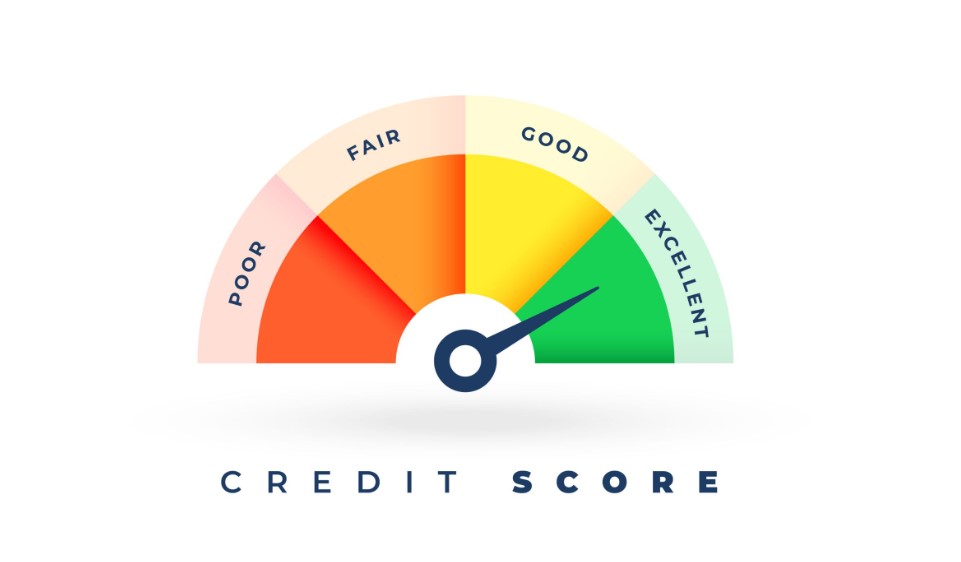
Understanding your credit score is essential for managing your financial health. A good credit score can be the difference between being approved or denied for a loan, securing a favorable interest rate, or obtaining rental housing. In this article, we’ll explore what a credit score is, what constitutes a good credit score, and how you can improve your score if it’s not where you’d like it to be.
What Is a Credit Score?
A credit score is a numerical representation of your creditworthiness, which indicates how likely you are to repay borrowed money. Credit scores are calculated based on information in your credit report, including your payment history, the amount of outstanding debt, the length of your credit history, types of credit in use, and recent credit inquiries.
The Importance of a Good Credit Score
A good credit score matters because it reflects your financial responsibility. It plays a crucial role in various financial decisions. Here are some reasons why having a good credit score is essential:
- Loan Approval: Lenders use credit scores to determine your eligibility for loans and credit cards. A higher score increases the likelihood of being approved.
- Interest Rates: A good credit score can lead to lower interest rates. This can save you thousands of dollars over time, especially on substantial loans like mortgages and car loans.
- Renting a Home: Landlords often check credit scores to assess potential tenants. A good score can improve your chances of being approved for your ideal rental.
- Insurance Premiums: Some insurance companies use credit scores to determine premium rates. A better score can lead to lower insurance costs.
Credit Score Ranges Explained
Credit scores typically range between 300 and 850, with various scoring models like FICO and VantageScore using slightly different ranges. Let’s break down these ranges:
Poor: 300 – 579
Scores in this range indicate a significant risk to lenders. Individuals in this category may have difficulty securing loans and may face extremely high-interest rates if they do.
Fair: 580 – 669
While still considered a risk, those with scores in this range may qualify for some loans, but the terms may not be favorable.
Good: 670 – 739
A good credit score indicates that you are a lower-risk borrower. Most lenders will consider you for loans, and you can likely secure better rates.
Very Good: 740 – 799
Individuals with very good scores are viewed as dependable borrowers. You will likely qualify for loans and credit cards with favorable terms and lower interest rates.
Excellent: 800 – 850
An excellent credit score shows lenders that you are a very low-risk borrower. Individuals in this category typically get the best available rates and terms.
What Is Considered a Good Credit Score?
As previously mentioned, a good credit score typically falls between 670 and 739. This range suggests that you have a solid track record of managing credit responsibly. Here’s a closer look at why this range is considered good:
- Lenders’ Perception: Lenders often use the good credit range to determine eligibility for loans. If your score falls in this range, you signal that you can manage credit wisely.
- Loan Approval Rates: Statistics indicate that borrowers with good credit scores are more likely to be approved for loans than those with lower scores.
- Interest Rates: Those in the good range can expect better interest rates compared to borrowers with fair or poor credit.
Factors That Influence Your Credit Score
Understanding what factors influence your credit score is crucial for improving and maintaining a good credit score. Here are the primary factors:
Payment History (35%)
This is the most significant factor in determining your credit score. Lenders want to see that you make your payments on time, whether for loans, credit cards, or other debts.
Credit Utilization (30%)
Credit utilization refers to the ratio of your current credit card balances to your credit limits. It’s best to keep this ratio below 30% to maintain a good score.
Length of Credit History (15%)
The length of your credit history reflects how long you’ve been using credit. A longer history is usually viewed positively, as it provides more data about your borrowing behavior.
Types of Credit (10%)
Having a mix of credit types—like credit cards, installment loans, and mortgages—can positively impact your credit score. It shows lenders you’re capable of managing different types of credit.
New Credit Inquiries (10%)
Every time you apply for new credit, an inquiry appears on your report, which can temporarily affect your score. It’s essential to limit how often you apply for new credit.
Tips for Achieving a Good Credit Score
Improving and maintaining a good credit score takes diligence, but it’s achievable with disciplined financial habits. Here are some tips:
Pay Your Bills on Time
Establishing a regular payment schedule is crucial. Set reminders or automate your payments to ensure you never miss due dates.
Keep Your Credit Utilization Low
Monitor your credit card balances to keep your utilization ratio under 30%. If possible, pay off your balances each month.
Diversify Your Credit Mix
If you only have credit cards, consider adding an installment loan, such as a car loan, to improve your credit mix gradually.
Avoid Frequent Hard Inquiries
Be selective about applying for new credit. If you do need to apply, try to limit applications to a short time frame to minimize the impact on your score.
Regularly Check Your Credit Report
Review your credit report at least once a year to check for errors or discrepancies that could impact your score. Dispute any inaccuracies you find.
Conclusion
In summary, a good credit score is generally considered to be in the range of 670 to 739. Understanding your credit score and what it indicates about your financial behavior is crucial for effective financial planning. By adhering to good financial practices—such as timely payments, responsible credit utilization, and diversifying your credit—you can work towards achieving and maintaining a good credit score. Regularly checking your credit report can also help you ensure that you remain on track with your financial goals. By making informed decisions and staying proactive, you’ll be well-equipped to navigate your credit journey successfully.