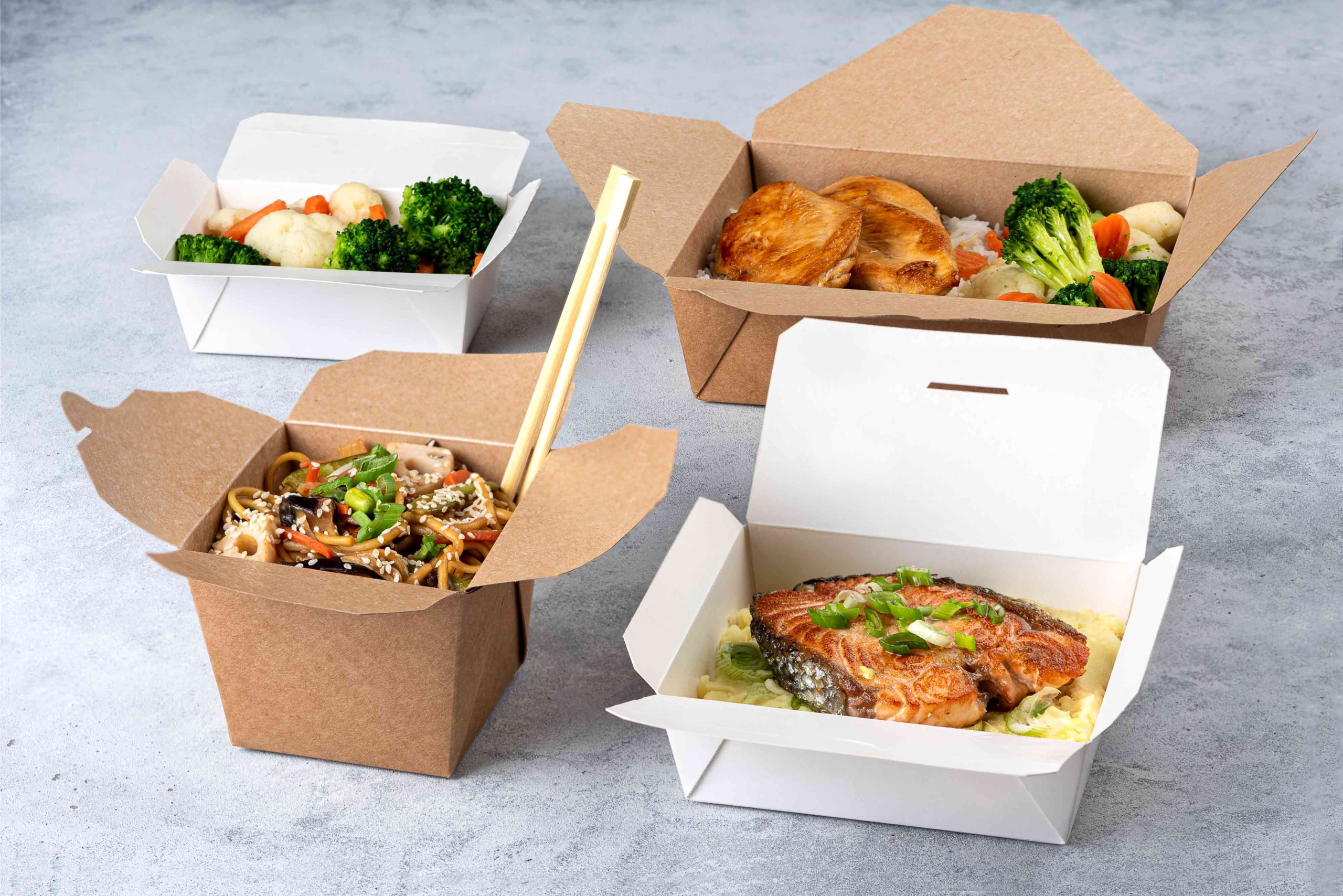
The food packaging industry is evolving rapidly, driven by changing consumer preferences, regulatory pressures, and technological innovations. Among the various types of packaging, paper meal boxes have gained significant prominence due to their sustainability, versatility, and practicality. As restaurants, cloud kitchens, and food delivery services continue to expand, the paper meal box supply industry is witnessing transformative trends that are shaping its growth and development.
Partnering with a reputable paper meal box supplier allows businesses to take advantage of these trends while meeting operational and environmental goals. Understanding the forces shaping this industry can help food businesses make informed decisions and stay ahead in a competitive market.
Rising Demand for Sustainable Packaging
Sustainability is one of the most influential trends driving the paper meal box supply industry. Consumers are increasingly environmentally conscious and prefer brands that adopt eco-friendly packaging solutions. Paper meal boxes made from recyclable, biodegradable, or compostable materials are replacing traditional plastic alternatives in many foodservice operations.
Suppliers are responding by sourcing responsibly managed paper, developing eco-friendly coatings, and implementing sustainable production practices. This shift not only meets consumer demand but also helps businesses comply with growing environmental regulations.
Customization and Branding Opportunities
Branding through packaging has become a crucial marketing tool for restaurants and delivery services. Paper meal box suppliers are offering enhanced customization options, including printed logos, brand colors, and promotional messages. High-quality printing techniques and creative design solutions allow businesses to create a unique and memorable unboxing experience for their customers.
Customization is no longer limited to aesthetics. Suppliers are providing functional design options such as compartmentalized boxes, tamper-proof closures, and size variations tailored to specific meal types. These options enhance both customer experience and operational efficiency.
Focus on Food Safety and Compliance
Food safety remains a top priority in the paper meal box industry. Suppliers are adopting advanced production processes, using food-grade materials, and implementing rigorous quality control standards. Certifications such as FDA approval, ISO 22000, and other regional safety standards are becoming increasingly important.
As food delivery services expand, the need for packaging that ensures hygiene, maintains food temperature, and prevents contamination has grown. Suppliers are innovating to create boxes that balance sustainability with safety and durability, meeting the demands of modern food service operations.
Technological Advancements in Production
Advancements in manufacturing technology are shaping the paper meal box supply industry. Automated production lines, precision cutting, and digital printing enable suppliers to produce high-quality boxes efficiently and with minimal waste. These technologies also allow for smaller minimum order quantities, making customization more accessible to small and medium-sized food businesses.
Additionally, innovations in coatings and laminations are improving the functionality of paper meal boxes, enhancing moisture resistance, grease protection, and heat retention without compromising recyclability or compostability.
Rise of Cloud Kitchens and Delivery Services
The growth of cloud kitchens and online food delivery services has significantly influenced the demand for paper meal boxes. These operations rely heavily on packaging that preserves food quality during transportation. Suppliers are adapting by offering lightweight, durable, and insulated boxes that can withstand delivery conditions while keeping food fresh and visually appealing.
The increasing reliance on delivery and takeaway models is also driving volume demand, encouraging suppliers to scale production while maintaining consistent quality standards.
Integration of Smart and Innovative Features
Emerging trends in packaging innovation include smart features such as QR codes, meal tracking labels, and interactive designs that enhance customer engagement. Suppliers are experimenting with ways to integrate these features without compromising the structural integrity or eco-friendly nature of the boxes.
Interactive packaging also allows businesses to share nutritional information, promotional offers, or sustainability credentials directly with customers, adding value and reinforcing brand messaging.
Cost Efficiency and Bulk Supply Solutions
While sustainability and customization are major trends, cost efficiency remains critical for food businesses. Paper meal box suppliers are offering bulk supply options, tiered pricing, and flexible order quantities to help businesses manage expenses. Economies of scale, combined with efficient production techniques, allow suppliers to provide high-quality packaging at competitive prices.
Flexible supply solutions are especially important for businesses that experience seasonal demand fluctuations, ensuring a steady and reliable source of packaging throughout the year.
Collaboration with Eco-Conscious Partners
Suppliers are increasingly forming partnerships with environmentally responsible brands and raw material providers. This collaboration ensures that the entire supply chain, from sourcing to delivery, aligns with sustainability goals. By fostering these partnerships, suppliers strengthen their commitment to green practices and provide customers with packaging solutions that support long-term environmental responsibility.
Conclusion
The paper meal box supply industry is being shaped by trends such as sustainability, customization, food safety compliance, technological innovation, the rise of delivery services, and smart packaging solutions. These developments reflect a growing demand for packaging that is functional, eco-friendly, and aligned with modern consumer expectations.
For food businesses, partnering with a reliable paper meal box supplier is essential to leverage these trends effectively. By embracing these industry shifts, restaurants, cloud kitchens, and delivery services can enhance operational efficiency, improve customer experience, and contribute to a more sustainable future for food packaging.