
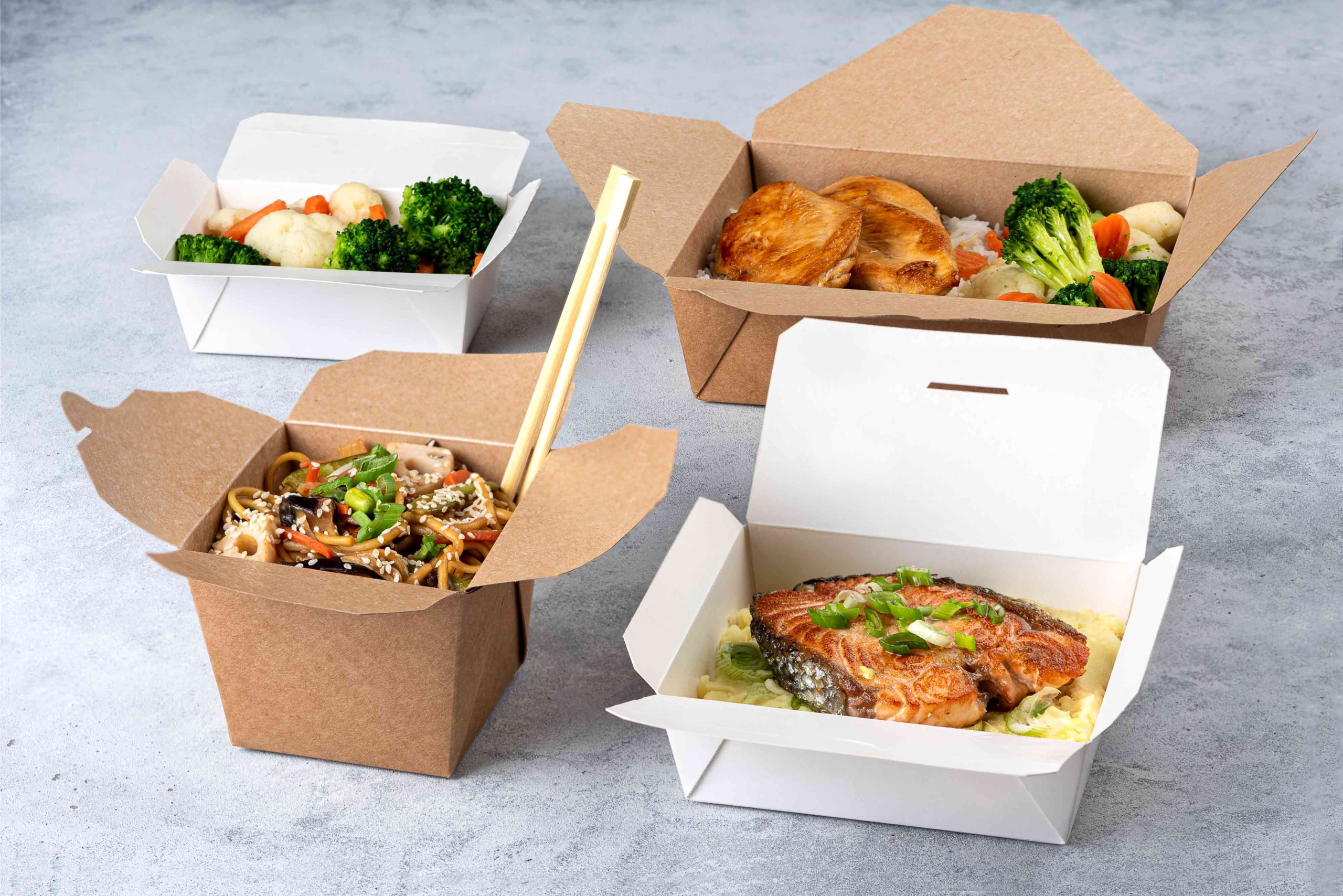
In the food industry, packaging plays a crucial role in maintaining food safety, ensuring freshness, and enhancing the overall dining experience. Food paper boxes, widely used for takeout, delivery, and catering services, have become increasingly popular due to their eco-friendly properties and versatility. Selecting a reliable supplier who adheres to strict material and quality standards is essential for businesses that want consistent, durable, and safe packaging solutions.
Partnering with a professional food paper box supplier ensures access to high-quality materials and packaging designs that meet food safety regulations. Suppliers provide guidance on material selection, durability, sustainability, and printing standards, helping businesses maintain operational efficiency while reinforcing brand identity. Understanding the materials used and the quality standards upheld by suppliers is crucial for making informed sourcing decisions.
Types of Materials Used in Food Paper Boxes
The materials used in food paper boxes significantly impact their durability, functionality, and environmental footprint. Common materials include cardboard, paperboard, kraft paper, and molded fiber. Each material offers specific benefits suited to different food types and service requirements.
- Cardboard and Paperboard: These materials are widely used due to their strength, lightweight nature, and printability. They provide a sturdy structure for a variety of food items, including sandwiches, pastries, and meals with multiple components. Coatings may be added to improve grease and moisture resistance.
- Kraft Paper: Known for its natural, rustic appearance, kraft paper is highly durable and resistant to tearing. It is often used for eco-friendly packaging options, and its unbleached nature aligns with sustainability goals.
- Molded Fiber: Made from recycled paper or plant fibers, molded fiber is biodegradable and compostable. It is particularly suitable for hot and greasy foods because it offers structural integrity while remaining environmentally responsible.
Suppliers carefully select these materials to ensure that boxes are both functional and safe for food contact. High-quality materials are essential for maintaining food temperature, preventing leaks, and avoiding contamination.
Food Safety Compliance and Certifications
Food safety is a non-negotiable aspect of packaging. Reputable suppliers adhere to local and international food contact standards, ensuring that their boxes are free from harmful chemicals and safe for direct contact with food. Certifications, such as FDA approval, ISO 22000, or other food safety compliance marks, demonstrate that a supplier meets recognized standards.
These certifications guarantee that materials are tested for toxins, heavy metals, and other contaminants. By sourcing from certified suppliers, businesses reduce the risk of foodborne illnesses, comply with regulatory requirements, and maintain trust with their customers.
Durability and Functional Design
High-quality food paper boxes must withstand transportation, handling, and storage conditions without compromising the contents. Suppliers ensure that boxes are designed with reinforced structures, sturdy walls, and secure closures to prevent deformation or spillage. Durability is particularly important for takeaway and delivery services, where food may encounter movement, stacking, or varying temperatures.
Functional design features, such as compartments, foldable sections, and easy-to-carry handles, enhance usability and customer experience. Suppliers that prioritize functionality and durability deliver packaging that meets operational needs while ensuring that food remains safe and presentable.
Coatings and Protective Layers
Many food paper boxes incorporate coatings or linings to improve performance. Grease-resistant, moisture-proof, or thermal coatings protect food from leaks and maintain structural integrity. Non-toxic coatings are critical to ensuring food safety while improving packaging functionality.
A reliable supplier evaluates the appropriate coating based on food type, storage requirements, and delivery conditions. These enhancements prevent contamination and extend the usability of the packaging for hot, cold, or oily foods.
Sustainability Standards
Sustainability is an increasingly important consideration in the food packaging industry. Leading suppliers provide biodegradable, compostable, or recyclable options that meet environmental regulations while maintaining durability and safety. Sustainable materials, such as bagasse or recycled paperboard, minimize environmental impact without compromising quality.
Suppliers committed to sustainability also adhere to certifications like FSC (Forest Stewardship Council) to ensure responsible sourcing of raw materials. This alignment with eco-friendly practices enhances brand reputation and appeals to environmentally conscious consumers.
Quality Control and Inspection
Reliable suppliers implement strict quality control measures throughout the production process. Inspections include checking material consistency, structural integrity, coating quality, and printing accuracy. Batch testing ensures that every box meets the specified standards for strength, food safety, and usability.
Regular quality audits, traceability systems, and testing protocols are indicative of a supplier’s commitment to maintaining high standards. These measures help businesses avoid operational disruptions, reduce waste, and provide a consistent customer experience.
Conclusion
Understanding the materials and quality standards of a food paper box supplier is essential for businesses that prioritize food safety, durability, and sustainability. High-quality materials, compliance with food safety regulations, functional design, protective coatings, and rigorous quality control ensure that packaging meets operational and branding requirements. By sourcing from a reliable and certified supplier, businesses can maintain customer trust, reduce waste, and support eco-friendly practices, while ensuring that their food packaging delivers both practical and aesthetic value.


