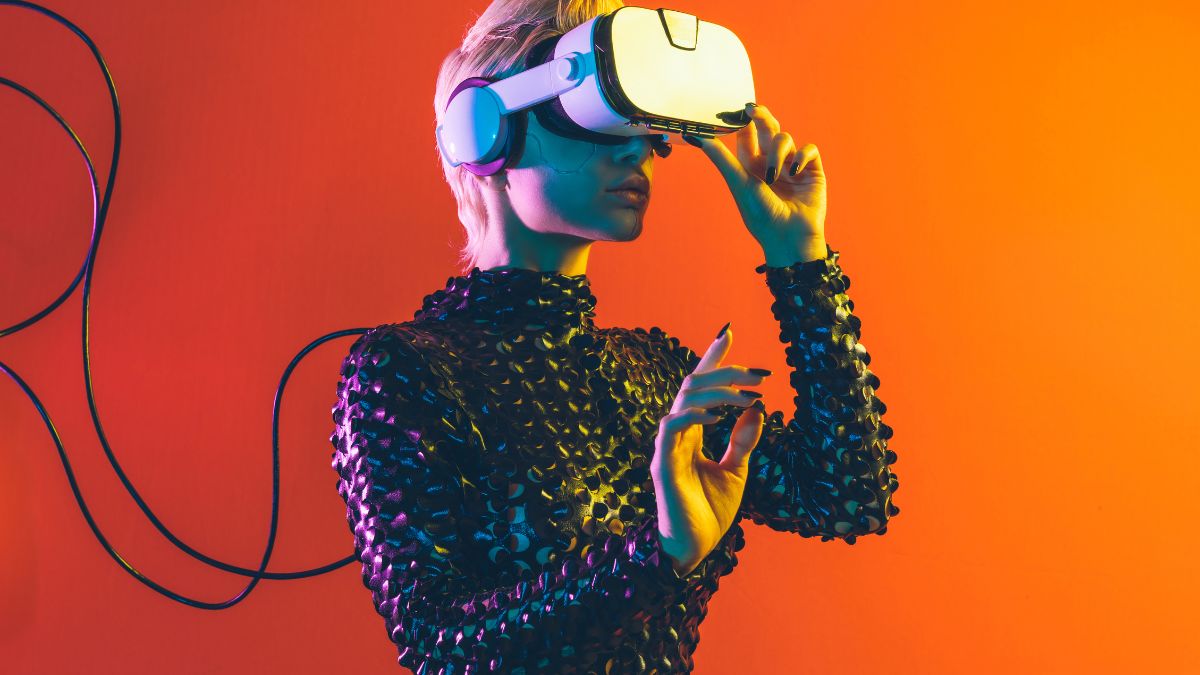
Technology has become an integral part of our daily lives, and nowhere is this more evident than in the rise of wearable devices. From fitness trackers and smartwatches to healthcare monitors and augmented reality glasses, wearables are transforming how we interact with technology. But behind every successful wearable device lies a complex and carefully executed process known as wearable product development.
Wearable product development is the process of designing, engineering, and manufacturing devices that can be worn on the body and seamlessly integrate with digital ecosystems. These devices collect real-time data, enhance convenience, and empower users with insights into health, activity, and productivity. Whether for fitness, fashion, medical use, or workplace efficiency, wearable technology is reshaping industries across the globe.
What Is Wearable Product Development?
Wearable product development involves creating smart, portable devices that combine hardware, software, sensors, and connectivity to deliver specific functions to users. These devices are designed to be lightweight, durable, and comfortable while offering advanced technological capabilities.
This development process covers several technical domains, including:
- Industrial and Product Design – Ensuring comfort, ergonomics, and aesthetic appeal.
- Electronics and PCB Design – Creating miniature circuit boards that fit compact designs.
- Embedded Software/Firmware Development – Programming sensors and microcontrollers for functionality.
- Connectivity Integration – Enabling communication via Bluetooth, Wi-Fi, NFC, or 5G.
- Prototyping and Testing – Validating usability, performance, and durability.
- Manufacturing and Scalability – Producing devices efficiently for the target market.
A professional approach to wearable product development ensures that devices meet market needs, function seamlessly, and deliver an excellent user experience.
Why Wearable Product Development Is Important
- Enhances User Lifestyle
Wearables offer convenience and real-time data tracking—helping users monitor health, manage productivity, and stay connected. - Supports Health and Fitness
Devices like smart bands, ECG monitors, and smart clothing are improving healthcare accessibility and preventive wellness. - Boosts Business Efficiency
In industries like logistics or manufacturing, wearables enable workforce tracking, hands-free communication, and operational insights. - Drives Technological Innovation
The development of wearables pushes the limits of miniaturization, battery efficiency, and user experience design. - Encourages Continuous Connectivity
Wearables extend mobile functionality, allowing users to interact with technology without interrupting their routine.
Key Stages of Wearable Product Development
1. Research and Ideation
The process begins with understanding the target audience, their needs, and market trends. Competitor analysis helps identify gaps and opportunities for innovation.
2. Concept Design
Industrial designers create sketches and 3D models that visualize the look, feel, and functionality of the wearable device. Ergonomics and aesthetics are key considerations.
3. Hardware Design and Prototyping
Electronics engineers design printed circuit boards (PCBs) and select components like sensors, microcontrollers, and batteries. A physical prototype is built to test form and fit.
4. Firmware and Software Development
Developers program firmware to control sensors and manage data. Companion apps (mobile or web-based) are created for user interaction and analytics.
5. Connectivity Integration
IoT protocols such as Bluetooth Low Energy (BLE), Wi-Fi, or 5G are implemented to enable communication with smartphones or cloud servers.
6. Testing and Validation
Wearables undergo extensive testing for usability, performance, durability, and safety. User testing ensures comfort and satisfaction during prolonged use.
7. Certification and Compliance
Devices must comply with international standards such as FCC, CE, or ISO to ensure safety and reliability before entering the market.
8. Manufacturing and Launch
Once designs are finalized, large-scale production begins. Post-launch, ongoing support and updates are provided to maintain device performance.
Applications of Wearable Product Development Across Industries
- Healthcare and Fitness
- Heart rate monitors, sleep trackers, glucose monitoring systems, and wearable ECG devices help individuals manage health effectively.
- Medical-grade wearables assist doctors in real-time patient monitoring and data analysis.
- Heart rate monitors, sleep trackers, glucose monitoring systems, and wearable ECG devices help individuals manage health effectively.
- Consumer Electronics
- Smartwatches and earbuds offer entertainment, communication, and productivity tools.
- AR/VR glasses enhance user experience in gaming and professional training.
- Smartwatches and earbuds offer entertainment, communication, and productivity tools.
- Industrial and Workplace Solutions
- Smart helmets, safety vests, and wearable sensors improve worker safety and monitor fatigue levels.
- Hands-free devices boost efficiency in warehouses and manufacturing plants.
- Smart helmets, safety vests, and wearable sensors improve worker safety and monitor fatigue levels.
- Sports and Performance
- Wearables measure physical performance, biomechanics, and hydration levels for athletes.
- Data-driven analytics enhance training and recovery.
- Wearables measure physical performance, biomechanics, and hydration levels for athletes.
- Fashion and Lifestyle
- Smart jewelry and clothing integrate technology with style, offering unique expressions of identity.
- Designers collaborate with tech developers to create functional fashion.
- Smart jewelry and clothing integrate technology with style, offering unique expressions of identity.
Challenges in Wearable Product Development
While the opportunities are immense, wearable product development comes with unique challenges:
- Miniaturization: Fitting all electronics, sensors, and batteries into compact designs.
- Power Management: Ensuring long battery life with low energy consumption.
- Comfort and Durability: Balancing technology integration with ergonomics.
- Data Security: Protecting sensitive personal and biometric data.
- Connectivity Issues: Maintaining stable wireless connections.
- Compliance: Meeting global regulatory standards for safety and health.
A professional wearable product development company addresses these challenges through experience, precision engineering, and user-centered design.
Benefits of Partnering with a Professional Wearable Product Development Company
- Technical Expertise
Access to engineers and designers skilled in electronics, firmware, and IoT connectivity. - End-to-End Solutions
From concept to production, the entire development process is handled under one roof. - Rapid Prototyping
Advanced tools like 3D printing and CAD modeling enable quick concept validation. - Customized Design
Tailored solutions ensure alignment with brand goals and target users. - Compliance and Certification Assistance
Experienced partners ensure global safety and quality standards are met. - Reduced Time and Cost
Streamlined processes and technical know-how lead to faster, more efficient development.
Future Trends in Wearable Product Development
- AI-Powered Wearables
Artificial intelligence enables smarter devices capable of predicting health conditions and automating user responses. - Flexible and Smart Materials
Wearables are becoming lighter and more comfortable with flexible sensors and e-textiles. - Energy Harvesting Devices
Next-gen wearables may power themselves using solar energy or body heat. - 5G Connectivity
Enhanced data transfer speeds enable real-time analytics for healthcare and industrial applications. - AR and VR Integration
Augmented and virtual reality wearables are expanding beyond entertainment into training, design, and education. - Sustainable Design
Eco-friendly materials and recyclable components are gaining traction in product development.
How to Choose the Right Wearable Product Development Partner
When selecting a development partner, consider the following:
- Experience and Portfolio: Review previous wearable projects across various industries.
- Technical Capabilities: Ensure expertise in sensors, embedded systems, and app development.
- User-Centered Design Approach: The company should prioritize comfort and usability.
- Prototyping Speed: Look for partners offering rapid prototyping and testing facilities.
- Quality Assurance: Evaluate their testing protocols and certification track record.
- Post-Launch Support: Continuous software updates and maintenance are essential for product longevity.
Conclusion
As technology continues to advance, wearable product development stands at the forefront of innovation. These intelligent, connected devices are redefining how humans interact with the digital world—enhancing health, productivity, and convenience. From fitness trackers to medical wearables and industrial gear, the demand for smart wearable technology is only growing.
To stay competitive and deliver value to users, businesses must collaborate with professional wearable product development partners who combine engineering expertise, creativity, and market insight. The future of wearables lies in creating seamless, personalized, and sustainable experiences—and investing in the right development process is the key to achieving that future.
Frequently Asked Questions (FAQs)
Q1. What is wearable product development?
Wearable product development is the process of designing and building smart devices that can be worn on the body, integrating hardware, software, and connectivity to provide useful functionalities.
Q2. What industries use wearable products?
Industries such as healthcare, fitness, fashion, industrial safety, and entertainment use wearable technology to enhance efficiency and user experience.
Q3. How long does wearable product development take?
Depending on complexity, it can take anywhere from 4 months to over a year, covering design, prototyping, testing, and certification.
Q4. What are the main challenges in developing wearable devices?
Challenges include miniaturization, battery optimization, data security, ergonomic design, and ensuring reliable wireless connectivity.
Q5. What technologies are commonly used in wearables?
Wearables use sensors, microcontrollers, Bluetooth, Wi-Fi, 5G, AI algorithms, and cloud integration for real-time data collection and analysis.
Q6. Can startups develop wearable products?
Yes. Many startups collaborate with specialized wearable product development firms to design and launch innovative smart devices efficiently.
Q7. What are the latest trends in wearable technology?
AI integration, smart textiles, AR/VR devices, and energy-harvesting wearables are among the leading trends shaping the industry.
Q8. Why is choosing the right development partner important?
A skilled wearable product development company ensures that your device is reliable, user-friendly, and compliant with market regulations—reducing risk and maximizing success.