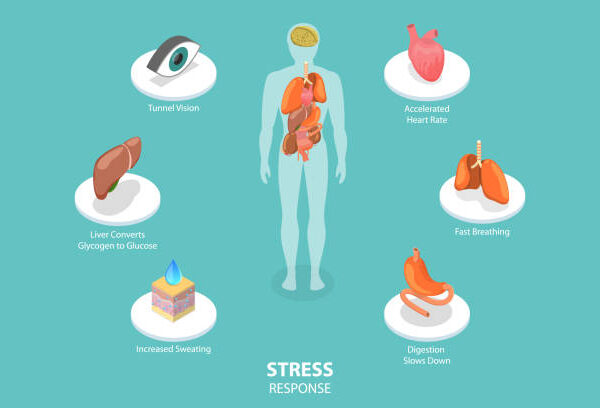
In recent years, virtual mental health treatment in Texas has emerged as a powerful option for people seeking relief from stress, anxiety, and depression. What was once a niche service has now become a mainstream, accessible way to get professional support, especially for residents across the Lone Star State. With convenience, flexibility, and evidence-based care at its core, virtual mental health treatment is reshaping how individuals manage emotional well-being in today’s fast-paced world.
Ways Virtual Treatment Helps Manage Stress, Anxiety, and Depression
Virtual mental health treatment in Texas makes it easier for individuals to access professional care for stress, anxiety, and depression. Below are the key ways virtual therapy supports emotional wellness while fitting seamlessly into modern lifestyles.
Bridging the Mental Health Access Gap
One of the most significant advantages of virtual mental health services is their ability to overcome traditional barriers to care. For many Texans, whether in urban centers like Houston and Dallas or in rural communities with limited provider options, access to licensed therapists and counselors can be challenging. Virtual treatment removes geographical constraints and long commutes by connecting clients with professionals via secure video, phone, or messaging platforms. This flexibility has made it easier than ever to start care when stress, anxiety, or depression feels overwhelming.
Convenience and Comfort Support Better Engagement
The comfort of receiving therapy from home shouldn’t be underestimated. Many people find it easier to open up about sensitive topics in familiar surroundings. Virtual mental health sessions let clients schedule appointments around work, school, or family commitments, reducing the stress of taking time off or battling traffic. This convenience also contributes to greater consistency and fewer missed appointments, key factors in long-term improvement.
Evidence-Backed Effectiveness
Research supports what many clinicians and clients already report: virtual mental health care can be just as effective as in-person therapy. Studies comparing remote treatment to traditional face-to-face sessions show similar outcomes in reducing symptoms of depression and improving overall quality of life. For conditions like anxiety and depression, teletherapy offers evidence-based approaches, including Cognitive Behavioral Therapy (CBT), in a format that fits modern lifestyles.
This means individuals in Texas can confidently explore virtual treatment options, knowing they’re not sacrificing effectiveness for convenience.
Reduced Stigma and Increased Access
For many, stigma remains a barrier to seeking help. Virtual treatment gives people a discreet way to connect with mental health professionals without worrying about running into someone they know at a clinic or waiting room. This privacy can make a huge difference, encouraging more people to take the first step toward healing.
Tailored Support for Stress, Anxiety & Depression
Virtual mental health treatment isn’t one-size-fits-all. Licensed therapists working with clients in Texas tailor their approaches based on individual needs. Whether someone is experiencing chronic stress, generalized anxiety, or clinical depression, therapists can use tailored treatment plans to help individuals develop coping strategies, build resilience, and work toward lasting emotional health.
Conclusion
Virtual mental health treatment has transformed how residents access and benefit from professional mental health care. By offering flexible scheduling, reduced stigma, and evidence-backed therapy from the comfort of home, virtual treatment helps individuals across the state manage stress, anxiety, and depression more effectively. As technology continues to improve and acceptance grows, virtual mental health services are likely to become an essential part of care for millions of Americans seeking support in their wellness journey.