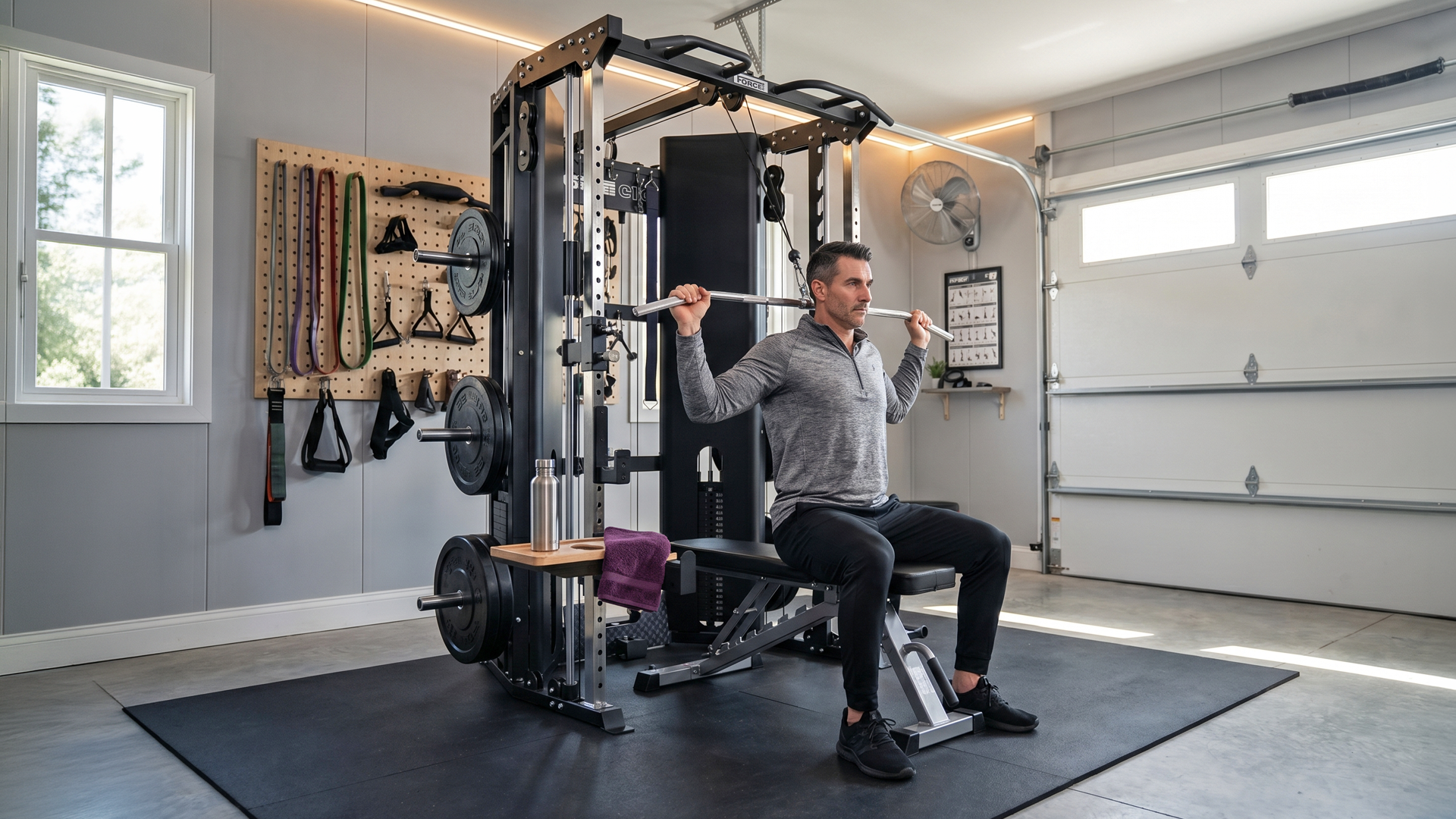
Buying used gym equipment can help reduce fitness setup costs while still providing access to durable machines. Many second-hand machines continue performing well for years when owners maintain them properly. However, some equipment may contain hidden wear, damaged parts, or electrical issues that increase repair costs later. A careful inspection helps buyers avoid unsafe equipment and unnecessary maintenance expenses. Before purchasing any machine, buyers should carefully check its condition, performance, stability, and service history.
Check the Overall Physical Condition
The first step is to examine the machine’s external condition, as visible damage often indicates poor maintenance or heavy use. Buyers should inspect the frame carefully for cracks, rust, dents, or bent sections that may affect stability during workouts. The following areas require close inspection:
- Frame and structure: Check for cracks, rust, or weak joints.
- Seats and cushions: Look for torn upholstery or damaged padding.
- Handles and grips: Ensure they feel firm and properly attached.
- Bolts and screws: Confirm all fittings remain tight and aligned.
Small scratches are common on second-hand machines, but deep damage may create safety concerns and higher repair costs later.
Test the Equipment During Use
A machine may appear clean but still contain internal performance problems. Buyers should always test the equipment before making a purchase decision. Treadmills should run smoothly at different speeds without sudden vibration or jerky movement. Resistance systems on bikes and ellipticals should adjust properly without delays. The following signs may indicate mechanical problems:
- Jerky or uneven movement
- Squeaking or scraping noises
- Delayed resistance adjustments
- Unstable motion during use
Testing the machine helps buyers identify hidden issues that may not appear during a visual inspection.
Inspect Cables, Belts, and Moving Parts
Cables and moving components often experience the highest level of wear in gym equipment. Damaged cables or worn belts may affect both safety and workout performance. Buyers should inspect cables for fraying, cracks, or uneven tension. Pulleys should rotate smoothly without wobbling or resistance.
The following components deserve extra attention:
- Cables: Check for fraying or exposed sections.
- Pulleys: Ensure smooth, quiet operation.
- Belts: Confirm proper alignment during operation.
- Resistance systems: Test for smooth performance throughout use.
Machines with heavily worn moving parts may require frequent servicing after purchase.
Check Electronic Features Carefully
Modern cardio machines often include electronic consoles and digital tracking systems. Buyers should test every electronic feature carefully before purchasing the equipment. Display screens should remain clear and responsive when changing speed, incline, or resistance settings. Heart-rate monitors, workout programs, and touch controls should also function correctly. The following features should work properly:
- Display screens
- Speed and incline controls
- Resistance settings
- Heart-rate monitoring systems
- Power connections
Fully functioning electronics usually indicate better overall equipment condition.
Ask About Maintenance History
Maintenance records help buyers understand how well the equipment was handled previously. Sellers should explain servicing schedules, replacement work, and previous repairs before finalizing the purchase. Buyers should ask the following questions:
- How often was the equipment serviced?
- Were any major parts replaced recently?
- Was the machine used commercially or at home?
- Did technicians perform routine maintenance?
Commercial machines often handle heavy usage, but regular servicing can significantly improve their lifespan and performance.
Conclusion
Buying used gym equipment becomes a safer and more cost-effective decision when buyers inspect the machine carefully before purchase. A detailed inspection helps identify worn components, performance issues, and safety concerns before they become expensive problems. Buyers should focus on equipment condition, movement quality, electronics, and maintenance history rather than selecting machines solely on price.