
Choosing furniture for a home is about more than filling empty rooms. The right pieces make everyday routines easier, create a welcoming atmosphere and help each space reflect the people who live there. When exploring furniture UK collections, shoppers can compare styles, materials, sizes and prices without rushing into a decision. A little planning makes it easier to select practical items that look good together and remain useful as household needs change.
Room function, available space and personal taste should guide each purchase before comparing designs and finishes. When comparing furniture uk ranges, consider how a new item will work with pieces you already own. Look at the shape of the legs, the colour of the finish and the overall proportions. A striking statement piece can add character, but too many competing designs may make a room feel busy. Keeping larger items simple often leaves more freedom to update smaller accessories.
What to check before buying
Appearance matters, but construction and everyday practicality are just as important. Product descriptions should explain the materials, dimensions, finish and care requirements. If information is missing, ask the retailer for clarification before placing an order.
Useful checks include:
- Materials: Solid wood, engineered wood, metal, glass and upholstery each have different strengths and care needs.
- Construction: Check how joints, hinges, drawer runners and supports are made.
- Dimensions: Compare the full measurements with the available floor space, not just the product photograph.
- Maintenance: Find out whether surfaces need special cleaners or regular treatment.
- Assembly: Check whether the item arrives assembled, requires home assembly or includes an installation service.
- Warranty: Read the terms and understand what is covered and for how long.
Reviews can provide helpful information about comfort, delivery and assembly, but read them with care. Look for repeated comments rather than relying on one unusually positive or negative experience. Clear product information and responsive customer support are useful signs that a retailer is prepared to help customers make informed choices.
Make online shopping more straightforward
For anyone searching for the best furniture online, it is worth comparing the complete buying experience rather than choosing only by the lowest listed price. Check delivery charges, estimated arrival times, return conditions and payment options. Also confirm whether delivery is to the doorstep or includes placement in the room. These details can affect the overall value of an order.
Create a shortlist instead of buying the first attractive item you see. Save the product details, compare dimensions and review the materials. If a retailer offers customer support, ask questions about finishes, stock availability or care instructions. Taking a little extra time can reduce uncertainty and make the final choice more satisfying.
Plan storage around everyday needs
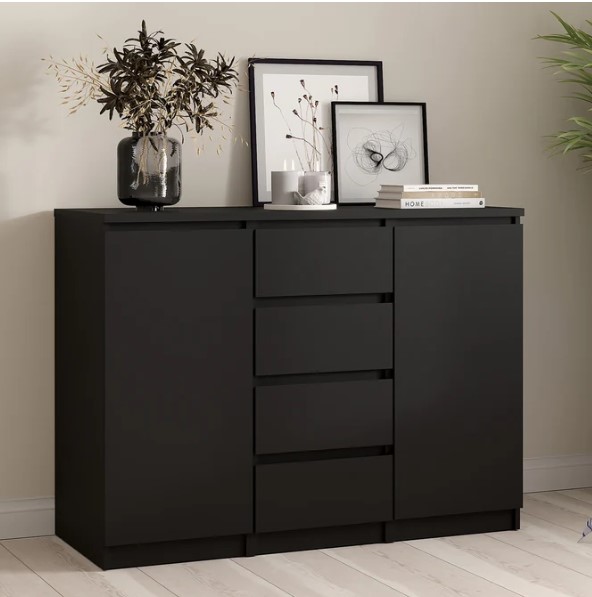
Storage furniture helps keep rooms organised and makes useful space easier to manage. In bedrooms, wardrobes, chests of drawers and bedside tables can provide a place for clothing and personal belongings. In living rooms, sideboards and shelving units can hold books, games, media equipment and decorative objects.
Choose storage according to what you need to put away. Deep drawers may suit bulky items, while shelves can make frequently used belongings easier to reach. Closed cupboards create a tidier appearance, whereas open shelving allows favourite objects to be displayed. A mix of both can offer a practical balance.
Avoid filling every available corner. Leaving some open space helps a room feel calmer and makes cleaning easier. If a home is compact, consider furniture that performs more than one function, such as an ottoman with hidden storage or a table with shelves beneath it.
Create a comfortable entertainment area
The television area often becomes a central part of the living room, so it deserves careful planning. A well-sized tv entertainment unit can provide a stable place for media equipment while helping cables, controllers and accessories stay organised. Choose a design that suits the television’s width and leaves enough room for ventilation around electronic devices.
Think about storage before deciding on a layout. Drawers can hide smaller accessories, cupboards can conceal consoles and other equipment, and open shelves can provide easy access to devices that need remote controls. Cable openings at the back can help reduce visible wires, creating a cleaner appearance.
The unit should also suit the room’s proportions. A very large cabinet may dominate a small living room, while a narrow stand may look unbalanced beneath a wide television. Check the manufacturer’s recommended weight capacity and make sure the television is secured safely. Keep the screen at a comfortable viewing height and avoid placing equipment where it blocks walkways.
Balance quality, price and long-term use
Compare similar products on the basis of materials, construction, size and included services. A lower price may not represent better value if delivery costs are high or the product needs frequent maintenance. Equally, an expensive design is not automatically the most durable. Read specifications carefully and consider how the item will be used over time.
For a cohesive look, plan purchases around a few key pieces. Choose larger furniture first, then add lighting, textiles and accessories. This approach helps control spending and avoids buying items that do not fit the room’s style or dimensions.
Care for furniture to keep it looking good
Regular care can help furniture remain attractive and functional. Dust surfaces with a soft cloth, clean spills promptly and follow the care instructions supplied with each item. Use suitable products for wood, glass, metal and upholstery rather than applying one cleaner to every surface.
Good habits are simple but effective. Rotate cushions, vacuum fabric carefully and check moving parts occasionally. Following basic care guidance can preserve the appearance of furniture and help households enjoy their purchases for longer.
Conclusion
A comfortable home develops over time. Start with practical needs, measure carefully and compare the details that affect daily use. Whether updating one room or furnishing an entire property, thoughtful choices can make spaces more organised, attractive and welcoming. A well-chosen tv entertainment unit can complete a living room, while coordinated storage and seating make the rest of the space feel balanced.
Keep comfort, quality and available space at the centre of every decision, and allow room for personal touches that make the home feel individual. Cozy Furniture offers shoppers an opportunity to explore furniture options for different rooms and home styles. Browse the collection at Cozy Furniture to find pieces that combine practical features with designs suited to everyday living.


