
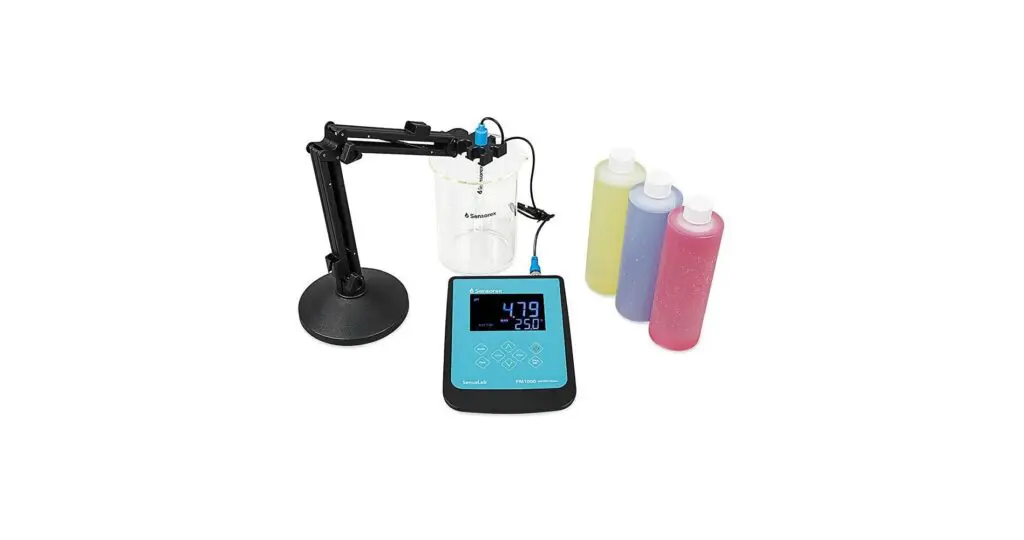
Maintaining proper water balance in pools and spas is essential for both user safety and the longevity of equipment. pH levels directly influence water chemistry, affecting sanitizer effectiveness, corrosion potential, and overall comfort. Accurate monitoring and control of pH are critical to prevent skin irritation, damage to pool surfaces, and ineffective disinfection.
The Role of pH Sensors in Water Balance
pH sensors provide real-time monitoring of water acidity or alkalinity, enabling pool and spa operators to maintain optimal conditions. The ideal pH range for pool and spa water is typically between 7.2 and 7.8, ensuring chlorine effectiveness while minimizing corrosion. Modern pH sensors allow automated systems to adjust chemical dosing based on continuous measurements, ensuring water remains safe and balanced.
Impact of Improper pH Levels
Incorrect pH levels can have several negative effects. Water that is too acidic (pH below 7.2) can corrode metal fixtures, damage pool liners, and cause skin and eye irritation. Conversely, water that is too alkaline (pH above 7.8) can lead to scale formation, cloudy water, and reduced sanitizer efficiency. Maintaining proper pH levels is therefore crucial to protect both equipment and swimmers.
Automated pH Control Systems
Many modern pools and spas incorporate automated pH control systems connected to pH sensors. These systems continuously monitor water conditions and inject appropriate chemicals, such as muriatic acid or sodium carbonate, to maintain the desired pH range. This reduces the need for manual testing and ensures consistent water quality. Automated systems also provide data logging capabilities, allowing operators to track water chemistry over time.
Manual Monitoring and Sensor Use
For smaller pools or spas without automation, pH sensors can still provide accurate readings for manual adjustments. Portable pH meters or stationary monitoring probes give operators precise data, allowing them to calculate the correct chemical dosages. Using a reliable sensor minimizes the risk of overcorrecting or undercorrecting pH levels, which can compromise water quality.
Maintenance of pH Sensors in Pools and Spas
To ensure accurate and reliable measurements, pH sensors require regular maintenance. Cleaning the sensor to remove calcium deposits, biofilm, or debris is essential. Proper storage and calibration according to manufacturer instructions help extend sensor life and maintain measurement precision. Neglecting maintenance can result in inaccurate readings, leading to improper chemical adjustments and water imbalance.
Benefits of Using pH Sensors
Using pH sensors in pool and spa water management provides several advantages. They enable continuous monitoring, reduce chemical waste, improve swimmer safety, and extend the lifespan of equipment. Accurate pH measurement also prevents water-related problems such as cloudy water, scaling, or corrosion, which can lead to costly repairs and maintenance.
Integration with Other Water Quality Sensors
pH sensors are often used alongside other water quality sensors, including those for chlorine, oxidation-reduction potential (ORP), and total dissolved solids (TDS). Combining multiple sensor readings allows operators to maintain a comprehensive water management strategy, ensuring optimal water quality and safety. This integrated approach simplifies maintenance and supports efficient chemical usage.
Best Practices for Pool and Spa Water Management
- Regularly monitor pH levels using reliable sensors.
- Calibrate sensors according to manufacturer recommendations.
- Adjust chemicals gradually and carefully based on sensor readings.
- Clean and maintain sensors to prevent measurement errors.
- Integrate pH monitoring with other water quality measurements for complete control.
Conclusion
pH sensors play a crucial role in maintaining balanced and safe pool and spa water. By providing accurate, real-time measurements, they enable automated or manual chemical adjustments, protecting swimmers and equipment alike. Proper use, maintenance, and integration of pH sensors ensure water remains clear, safe, and enjoyable, while reducing maintenance costs and extending the lifespan of pool and spa systems.


