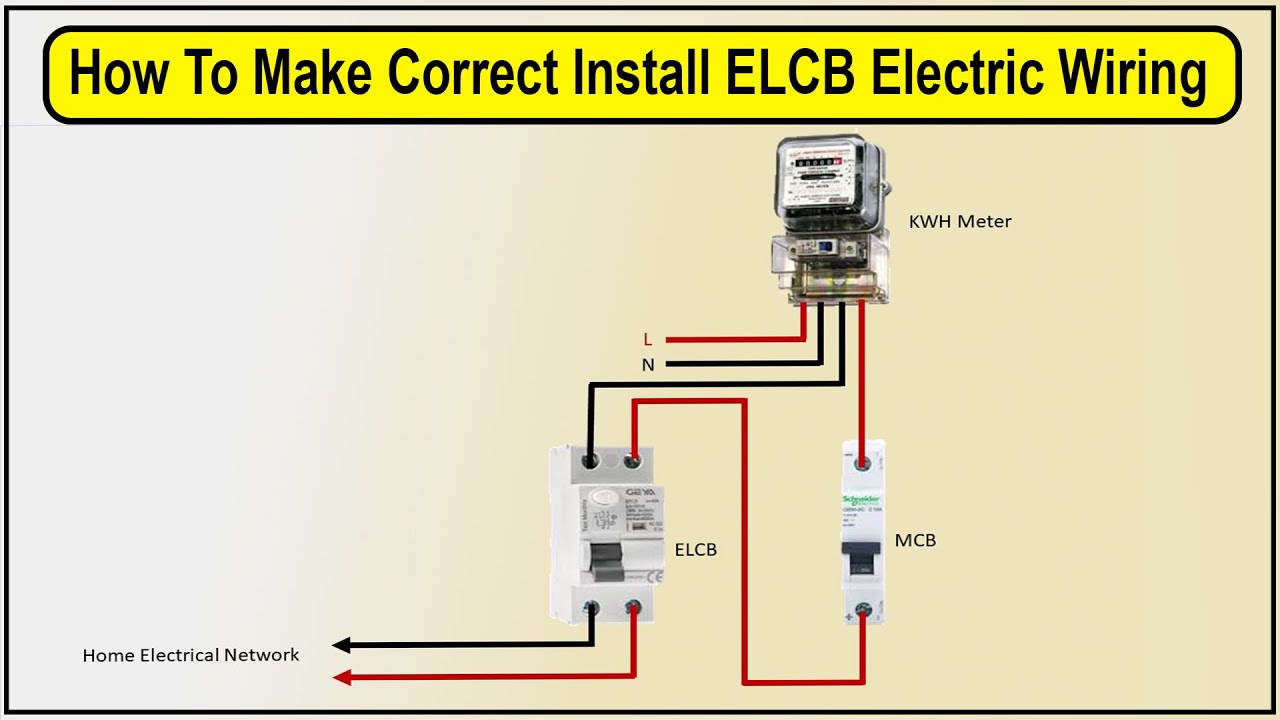
Electrical safety is a crucial consideration in both residential and commercial settings. Faulty wiring, damaged appliances, or moisture can lead to leakage currents, posing serious risks of electric shock or fire. Earth leakage circuit breakers are designed to detect these currents and automatically disconnect the power supply, providing an essential layer of protection for people, equipment, and property.
A reliable option for safeguarding circuits is the ELCB Circuit Breaker. These devices monitor leakage currents and act immediately to cut off power whenever a fault occurs. Understanding how earth leakage circuit breakers work, their types, and applications can help homeowners and professionals improve electrical safety and prevent hazardous situations.
What Is an Earth Leakage Circuit Breaker?
An earth leakage circuit breaker (ELCB) is a safety device that detects stray currents flowing to the ground and disconnects the electrical supply before harm can occur. Leakage currents can happen when insulation fails, wires are damaged, or moisture comes into contact with live components. Even small leakage currents can pose serious risks if they pass through a human body, making ELCBs critical in reducing the risk of electrocution.
ELCBs are widely used in residential, commercial, and industrial electrical systems to enhance safety and comply with electrical codes and standards.
Types of Earth Leakage Circuit Breakers
There are two main types of ELCBs, each functioning differently to provide protection:
1. Voltage Earth Leakage Circuit Breaker (vELCB)
Voltage ELCBs monitor the voltage on the earth line. When the voltage exceeds a predefined limit due to leakage, the breaker trips and disconnects the power.
Advantages:
- Simple and cost-effective.
- Reliable for detecting significant ground voltage issues.
Limitations:
- Cannot detect low-level leakage currents.
- Less effective for modern electronic appliances that draw small leakage currents.
2. Current Earth Leakage Circuit Breaker (iELCB or RCD)
Current ELCBs, also known as Residual Current Devices (RCDs), measure the current difference between the live and neutral conductors. Any imbalance indicates a leakage to the ground, triggering the breaker to disconnect the circuit.
Advantages:
- Highly sensitive, detecting leakage currents as low as 30mA.
- Provides enhanced personal protection against electric shock.
- Suitable for wet areas and environments with high safety requirements.
How ELCBs Work
The operation of an ELCB is based on monitoring electrical currents and detecting anomalies:
- In a current ELCB, the live and neutral currents should ideally be equal.
- Any difference indicates leakage, often through unintended paths, such as a human body or damaged insulation.
- The device trips within milliseconds to prevent injury or fire.
Voltage ELCBs, in contrast, trip the circuit when the voltage on the earth line exceeds a set threshold, indicating a fault that could compromise safety.
Applications of Earth Leakage Circuit Breakers
ELCBs are used in a variety of settings to ensure electrical safety:
1. Residential Applications
Homes benefit significantly from ELCBs, especially in kitchens, bathrooms, and outdoor circuits where the risk of leakage currents is higher due to moisture. ELCBs protect residents from electric shocks and prevent damage to household appliances.
2. Commercial Buildings
Offices, shopping centers, and other commercial facilities often have complex electrical systems with multiple circuits. Installing ELCBs in these systems ensures that leakage currents are detected promptly, reducing the risk of injury to staff and customers.
3. Industrial Installations
Factories and manufacturing plants utilize heavy machinery, high-current equipment, and water-based processes. ELCBs protect employees and machinery by detecting leakage currents early, preventing equipment damage and potential downtime caused by electrical faults.
4. Outdoor and Wet Environments
Outdoor lighting, swimming pools, and water pumps are particularly vulnerable to leakage currents. ELCBs provide critical protection in these areas by immediately disconnecting the supply when leakage occurs.
Advantages of ELCBs
ELCBs offer several key benefits for electrical safety:
- Protection Against Electric Shock: The primary function of ELCBs is to prevent electrocution, saving lives.
- Prevention of Fire Hazards: Leakage currents can generate heat and sparks, potentially causing fires. ELCBs help reduce this risk.
- Quick Response Time: Modern ELCBs react within milliseconds to leakage currents, providing rapid protection.
- Compliance with Electrical Codes: Many building and safety codes require ELCBs in specific circuits, especially in wet or high-risk areas.
Installation and Maintenance Tips
Proper installation and maintenance are essential to ensure that ELCBs function correctly:
- Always select an ELCB with the correct sensitivity rating for the application.
- Ensure installation is done by a qualified electrician.
- Regularly test the ELCB using the built-in test button to confirm proper operation.
- Avoid bypassing or tampering with the device, as this compromises safety.
- Replace old or damaged ELCBs promptly to maintain system protection.
Conclusion
Earth leakage circuit breakers play a vital role in enhancing electrical safety by detecting leakage currents and preventing electric shocks, fires, and equipment damage. They are suitable for residential, commercial, industrial, and wet-area applications, providing fast, reliable protection in potentially hazardous situations.
For safe and dependable protection in modern electrical systems, the ELCB Circuit Breaker offers a robust solution. By understanding its types, operation, and proper installation, users can significantly reduce electrical risks and maintain a secure and efficient power system.