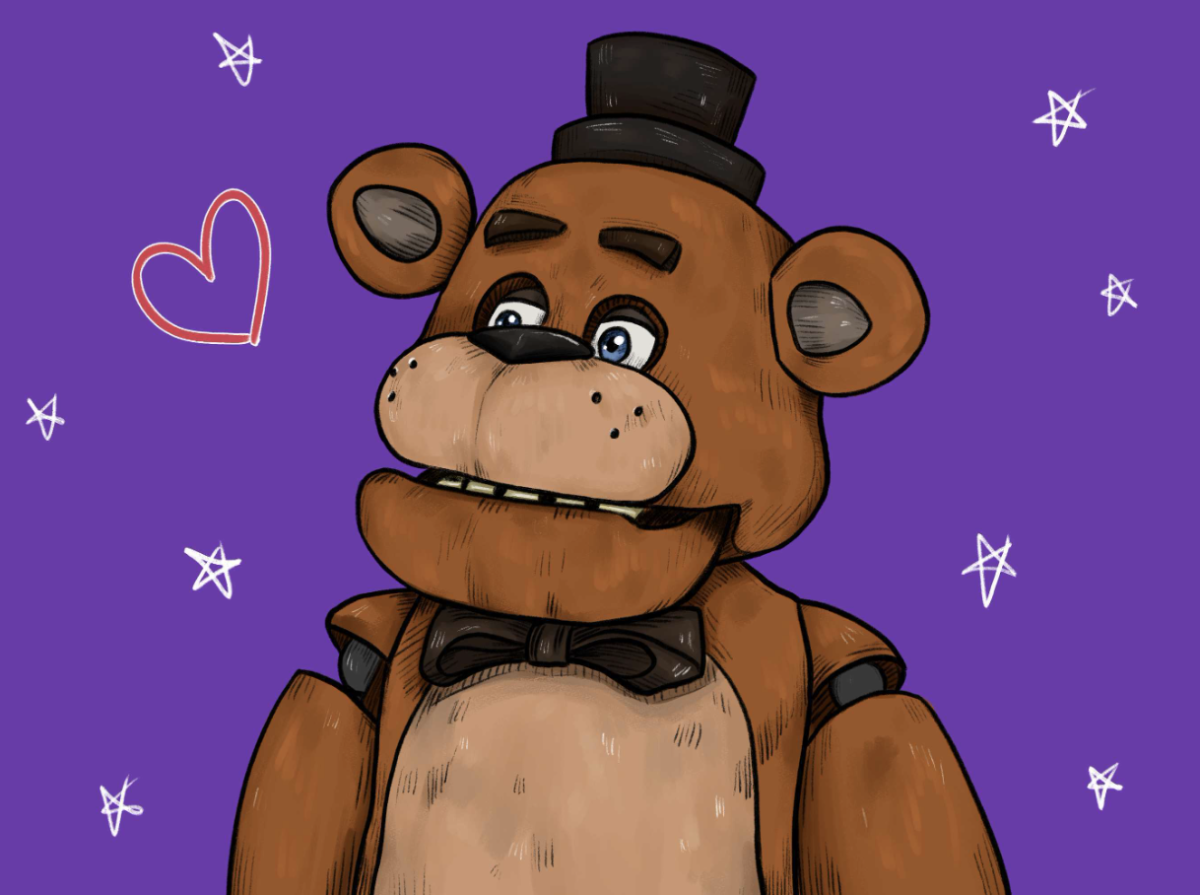
The world of horror gaming was forever changed with the arrival of Five Nights at Freddy’s (FNAF) in 2014. At the center of this chilling franchise stands Freddy Fazbear, a haunted animatronic bear whose unsettling presence has made him an iconic figure in the gaming community. Over the years, Freddy’s design and role have undergone major transformations—reflecting not only the evolution of the series but also broader shifts in horror game aesthetics and storytelling.
The Origins of a Horror Icon
Freddy Fazbear made his first appearance in the original Five Nights at Freddy’s, created by indie developer Scott Cawthon. Set in a creepy, rundown pizzeria inspired by Chuck E. Cheese-style restaurants, the game introduced players to a survival horror format that relied more on psychological fear than jump scares alone.
Freddy began as a simple brown animatronic bear with a top hat and microphone—seemingly harmless until night fell. As the game progresses, players learn that Freddy is possessed by the vengeful spirit of a murdered child, adding a sinister undertone to his already eerie presence. This blend of nostalgic innocence and dark backstory is part of what made Freddy so compelling.
For those looking to explore more about the game’s lore and its central character, the official Freddy Fnaf website offers detailed information and updates on the franchise.
Visual Transformation and Character Redesigns
As the FNAF series expanded, so did the creative direction for Freddy’s appearance. Each new title introduced a slightly altered—or entirely reimagined—version of him. In Five Nights at Freddy’s 2, players encountered “Toy Freddy,” a shinier, more polished version of the original, created to reflect the franchise’s in-game timeline where newer, more modern animatronics were introduced.
By the time FNAF 3 arrived, Freddy appeared as “Phantom Freddy”—a spectral, burned version that represented the decayed remnants of the original. This iteration lacked physical presence and instead acted as a hallucination to psychologically torment the player. The transition highlighted the shift from mechanical threats to more psychological horror elements in the series.
Later installments brought even more dramatic changes. FNAF 4 presented “Nightmare Freddy,” an exaggerated and grotesque version featuring razor-sharp teeth and a more monstrous form—designed to terrorize rather than entertain. These visual evolutions not only mirrored changes in horror game design but also reflected Freddy’s growing symbolic significance as a manifestation of fear, trauma, and memory.
Freddy in Sister Location and Beyond
The release of Five Nights at Freddy’s: Sister Location marked a turning point in the franchise’s tone and design philosophy. Freddy’s counterpart in this game, “Funtime Freddy,” was built with a sleek white and pink exterior, reflecting a more advanced and theatrical animatronic design. Despite his colorful appearance, Funtime Freddy was no less terrifying. His unsettling voice, unpredictable behavior, and aggressive demeanor kept players on edge.
In FNAF: Help Wanted, a VR installment, Freddy returned in a highly immersive 3D format. This version stayed truer to the original design but added enhanced textures and more fluid animation to better fit the new interactive format. The immersive experience deepened players’ emotional reactions to Freddy, bringing them face to face with the animatronic menace like never before.
From Horror Mascot to Pop Culture Phenomenon
Freddy’s evolution is more than just cosmetic; it represents the maturation of the Five Nights at Freddy’s franchise itself. From humble indie beginnings to a multimedia empire that includes novels, merchandise, and a feature film adaptation, Freddy has grown into a horror mascot recognized far beyond the gaming world.
As horror trends evolved, so did the expectations of players. The designers adapted Freddy’s character to remain relevant and frightening in each new context, all while preserving the core attributes that first made him a standout character: unpredictability, presence, and a compelling backstory.
Conclusion: A Legacy Still Unfolding
The transformation of Freddy FNAF over the years illustrates how character design can drive the narrative and emotional power of a game. With each iteration, Freddy has shifted from a creepy animatronic to a deeply symbolic figure in modern horror. His design changes reflect technological advancements, shifts in narrative tone, and the growing complexity of horror gaming as a genre.
As the franchise continues to evolve, there is little doubt that Freddy will remain at its core, adapting to new formats and audiences while retaining the chilling essence that first captivated millions. Whether in pixelated indie form or high-definition VR, Freddy continues to haunt our screens—and our imaginations.