
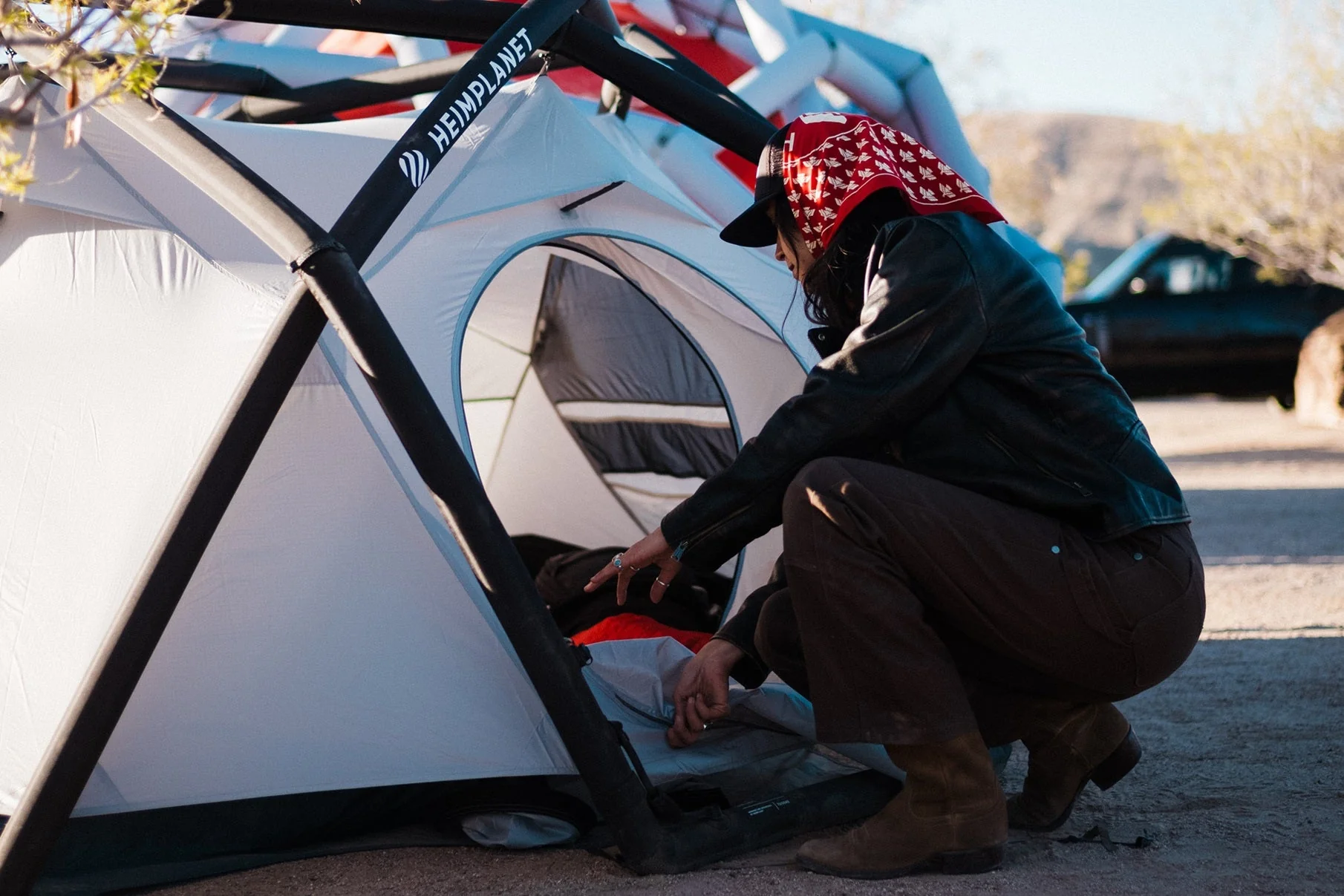
Inflatable tents are widely used for outdoor events, emergency shelters, promotional campaigns, and recreational activities due to their portability, rapid setup, and versatile design. One of the most critical aspects of producing durable and reliable inflatable tents is the selection of appropriate fabrics and the application of protective coatings. These factors directly influence the tent’s strength, weather resistance, air retention, and overall lifespan. Understanding fabric selection and coating processes provides insight into the meticulous production practices within an Inflatable Tent Factory.
Choosing the right fabric begins with assessing the intended use of the inflatable tent. Different applications require different levels of durability, flexibility, and weather resistance. For instance, a promotional tent for short-term use at an exhibition may not require the same heavy-duty material as a tent intended for emergency relief operations in harsh outdoor conditions. Inflatable Tent Factories analyze industry benchmarks and best practices, often referencing sources like Inflatable Tent Factory lists to identify high-quality fabrics and coatings used by leading manufacturers. This research helps them select materials that balance performance, durability, and cost-effectiveness.
Common Fabrics Used in Inflatable Tents
The most commonly used fabrics in inflatable tent production include PVC-coated polyester, TPU-coated fabrics, and PU-coated nylon. Each material offers unique properties that affect performance and durability.
- PVC-Coated Polyester: PVC-coated polyester is a durable and versatile option that provides excellent waterproofing and tear resistance. It is widely used for heavy-duty outdoor tents due to its ability to withstand wind, rain, and repeated handling. The PVC coating also enhances air retention, ensuring that the tent maintains its structural integrity.
- TPU-Coated Fabrics: TPU (Thermoplastic Polyurethane) coatings are popular for high-performance tents. TPU-coated fabrics offer elasticity, abrasion resistance, and low-temperature flexibility. They are more environmentally friendly than PVC and maintain flexibility even in cold climates. TPU is particularly suitable for tents designed for extended outdoor use or extreme weather conditions.
- PU-Coated Nylon: PU-coated nylon fabrics are lightweight and highly portable, making them ideal for smaller tents or temporary shelters. The polyurethane coating provides waterproofing and moderate tear resistance. While not as heavy-duty as PVC or TPU, PU-coated nylon is practical for applications where portability and ease of setup are prioritized.
Coating Processes
Coating is a vital step in enhancing the performance of the base fabric. Factories apply coatings using methods such as laminating, heat bonding, or chemical treatment. The coating not only improves water resistance but also protects the fabric from UV degradation, abrasions, and environmental pollutants.
- Laminating: Laminating involves bonding a protective film or layer to the base fabric. This process enhances waterproofing, increases tensile strength, and improves air retention. Laminated fabrics are commonly used in tents designed for long-term or high-stress applications.
- Heat Bonding: Heat bonding uses thermal pressure to fuse a coating material to the fabric. This creates a strong and uniform layer that adheres firmly to the textile, improving durability and weather resistance. Heat-bonded coatings are ideal for seams and panels that endure significant stress during inflation.
- Chemical Treatment: Chemical coatings, such as water-repellent or fire-retardant treatments, are applied to enhance specific properties. Fire-retardant chemicals increase safety in public spaces, while water-repellent coatings prevent leaks and maintain structural stability during rain. Factories carefully select chemical treatments to ensure compatibility with the base fabric and adherence to safety standards.
Quality Control in Fabric and Coating
Quality control is an essential component of fabric selection and coating processes. Inflatable Tent Factories conduct rigorous testing on incoming fabric rolls to ensure tensile strength, tear resistance, and uniformity. Coatings are tested for adhesion, flexibility, and performance under environmental stress. Any defects identified during testing are rejected or corrected to prevent compromised performance in the final product.
Innovation and Material Advancements
Factories continually explore new fabric technologies and coating methods to enhance the durability, functionality, and environmental friendliness of inflatable tents. Advancements in lightweight, recyclable, and eco-friendly coatings allow manufacturers to produce tents that are safer for the environment without sacrificing performance. Experimentation with hybrid fabrics and multilayer coatings provides additional benefits, such as improved thermal insulation, enhanced air retention, and increased UV protection.
Conclusion
Fabric selection and coating processes are fundamental to the production of high-quality inflatable tents. The choice of materials, combined with advanced coating techniques, determines the tent’s durability, weather resistance, and structural integrity. From PVC-coated polyester and TPU fabrics to PU-coated nylon, each material offers unique benefits suited to specific applications. Coating methods such as laminating, heat bonding, and chemical treatments further enhance performance, ensuring that tents remain reliable under varying conditions. Through careful material selection, precise coating processes, and rigorous quality control, an Inflatable Tent Factory delivers tents that meet safety, durability, and functionality standards while providing long-term value for clients.


