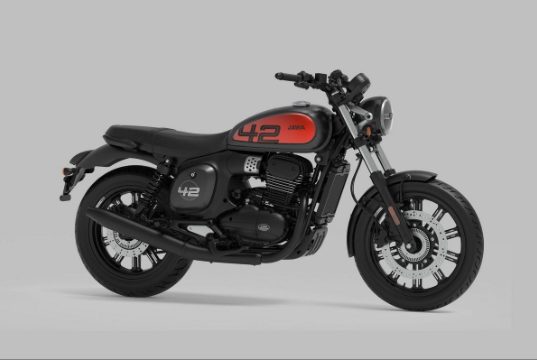
The Jawa 42 combines a classic motorcycle silhouette with a comparatively lively liquid-cooled engine and a six-speed gearbox. It suits riders attracted to heritage styling who still want modern braking and a useful spread of performance. Before booking one in India, consider how the seat, weight, variant-specific equipment and authorised service access fit your normal journeys. A model’s photographs cannot reveal how it feels over a broken road or during a crowded evening commute.
Understanding the engine and gearbox
The manufacturer’s current Jawa 42 material identifies a 294.7 cc single-cylinder, liquid-cooled engine producing about 27.3 PS and 26.8 Nm. It uses fuel injection and a six-speed gearbox. Those specifications indicate a machine oriented towards more than simple low-speed transport. Liquid cooling helps the engine regulate operating temperatures, although the rider can still feel warmth during prolonged stationary traffic.
On a test ride, listen for smooth power delivery rather than judging the motorcycle by exhaust volume. Check whether you can pull away without repeated clutch adjustment, how the bike reacts to gentle acceleration at city speeds and whether gear changes feel easy with your riding boots. The power figure alone will not describe comfort on a long trip. Engine refinement, handlebar vibration and gearing all influence whether you enjoy using the Jawa 42 every day.
The neo-classic styling comes with practical choices
The Jawa 42’s rounded tank, twin exhaust treatment and traditional proportions distinguish it from many sharply styled commuters. However, several wheels, paint finishes and brake configurations may exist across model years and variants. Official product information lists both wire-spoke and alloy-wheel arrangements, with differences in tyre construction. Verify the precise equipment fitted to the motorcycle you are paying for, particularly when looking at older dealer stock.
A buyer who likes the appearance of spokes should ask whether puncture repair requires removing an inner tube. Someone frequently riding between offices may prefer a variant with tubeless tyres, where offered. Neither choice makes the motorcycle universally superior; each changes roadside convenience. Examine the paint in daylight, the finish around the exhaust and the exposed fasteners. Attractive design should survive ordinary washing and parking, not just a showroom spotlight.
Is the Jawa 42 comfortable in Indian traffic?
Manufacturer information puts the seat height near 788 mm and the bike’s weight around 182 to 184 kg, depending on configuration. These figures provide a starting point, but a rider’s ability to balance the machine depends on inseam, footwear and confidence. Sit on it with the engine off, push it out of a parking bay and see whether the handlebar reaches the full steering lock comfortably.
For everyday use, evaluate the clutch in stop-start queues, how quickly the steering changes direction and whether mirrors clear common car and auto-rickshaw heights. A passenger should try the rear seat and footpeg position. The suspension uses telescopic forks and twin rear shock absorbers; their feel can vary with speed, road surface and preload settings. Ask for a route with realistic speed breakers rather than an uninterrupted stretch of smooth tarmac.
What do the brakes and tyres offer?
Disc braking is a central part of the Jawa 42 package, while official information notes availability of single-channel and dual-channel anti-lock braking configurations. Anti-lock braking can reduce wheel lock during hard braking, but it cannot create grip on loose sand or worn tyres. The variant you choose matters, especially if you often ride in monsoon conditions or on unpredictable roads.
Inspect tyre sizes and replacement availability in your city. A motorcycle can use an unusual tyre specification that costs more or is harder to source than common commuter sizes. During the demonstration, brake progressively from sensible speeds to assess lever feel and control. Ask whether both brake discs and the brake-fluid service interval match the manual for that specific manufacturing year. A safe purchase decision involves the actual hardware, not a generic specification page.
The difference between the Jawa 42 and Jawa Perak
The Jawa Perak often appears in the same shopping search because it shares the marque’s retro appeal. Yet its distinctive bobber layout, low solo-style seating arrangement and 334 cc engine make it a different ownership proposition. The Jawa 42 is generally more suitable for someone who expects to take a passenger, use standard luggage solutions or choose among conventional roadster variants. The Perak appeals to a narrower styling preference.
Do not assume the Perak is a direct upgrade simply because its engine capacity is higher. Check passenger accommodation, registration particulars, permitted modifications and insurance implications before considering a bobber. The Jawa 42’s appeal is its more versatile roadster format. A shopper who commutes on weekdays and tours occasionally should prioritise practical fit rather than choosing solely on the most dramatic profile.
Price, finance and dealer support
Jawa 42 prices depend on variant, city, revision and applicable offers. The safest approach is to request a current ex-showroom quotation together with a separate explanation of other payable components. Confirm whether a quoted promotional figure applies to the selected colour, whether accessories are optional and whether a delivery date is written into the booking document.
If borrowing, assess the total amount repayable, interest calculation method, processing charges, repayment tenure and late-payment terms. A low monthly instalment can reflect a long tenure rather than an inexpensive loan. For service, map the nearest authorised workshop to your home or workplace. Ask about common wear-item availability and turnaround time for regular maintenance. Service access may matter more over several years than a small initial discount.
Ownership checks that photographs cannot replace
Inspect the clutch lever, cable routing, switchgear and instrument visibility with the motorcycle stationary. Check if the tank shape makes your knees comfortable and whether the exhaust design affects a passenger’s leg position. Ask the dealer to demonstrate routine checks for chain slack, engine oil level and tyre pressure. Simple maintenance habits are important for a bike used across hot summers and wet roads.
When evaluating a pre-owned example, match the chassis and engine identifiers to the registration papers and review maintenance invoices. Look for corrosion, uneven tyre wear and signs of neglected chain adjustment. For a new vehicle, examine the manufacturing date, warranty start conditions, owner’s manual and tool kit. Record visible damage before registration or delivery, because resolving disputes becomes harder once the motorcycle has left the dealership.
When should you choose the Jawa 42?
The Jawa 42 is most convincing for a rider who enjoys distinctive classic styling but wants modern fuel injection, six gears and enough power for occasional open-road journeys. It is less compelling when the priority is the lowest possible maintenance expense or effortless movement through very tight parking spaces. Take a realistic test ride, compare the equipment of the actual variants on offer and obtain a clear service and cost estimate. If its ergonomics feel natural after those checks, its blend of design and everyday usefulness becomes a sound reason to buy.