
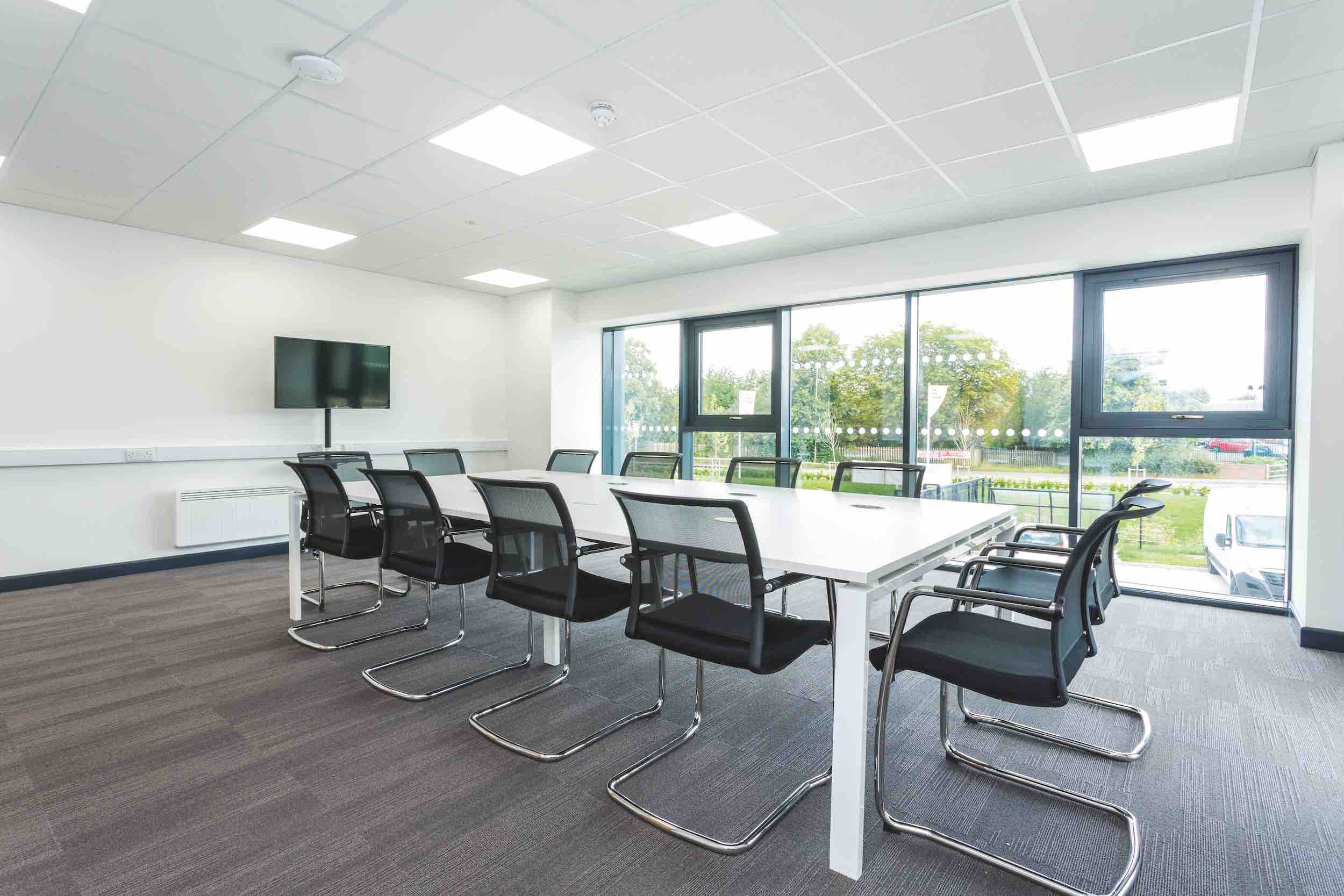
When exploring the possibilities of expanding a business into the Middle East, understanding the dynamics of rent for office space in Saudi Arabia is a critical first step. Securing the right office environment is not just about location, it influences operational efficiency, employee satisfaction, and corporate image. Alongside this, companies entering the Saudi market often require assistance navigating legal frameworks, permits, and local business customs. This is where specialized support services become invaluable for foreign businesses aiming to establish a foothold in the region.
Understanding Office Space in Saudi Arabia
Saudi Arabia offers a variety of office solutions catering to different business needs. From premium high-rise commercial buildings in Riyadh and Jeddah to cost-effective coworking spaces in emerging cities, there is a range of options:
- Serviced Offices: Fully furnished and managed, ideal for companies that want to start operations immediately without administrative hassles.
- Traditional Leased Offices: Provide flexibility for long-term commitments, allowing customization to suit company branding and operational requirements.
- Coworking Spaces: Growing in popularity, these spaces offer flexibility, shared amenities, and networking opportunities for startups and small enterprises.
Factors Affecting Rent
Several variables determine the cost of renting office space in Saudi Arabia:
- Location: Central business districts typically command higher rent due to proximity to clients, financial institutions, and government offices.
- Building Facilities: Modern infrastructure, parking, security, and technological amenities add to the overall cost.
- Lease Terms: Longer lease agreements may offer discounted rates, whereas short-term leases can be more expensive on a monthly basis.
- Market Demand: Seasonal fluctuations and economic conditions can influence rental prices significantly.
Understanding these factors is crucial for budgeting and planning office setup costs effectively.
Legal Considerations for Establishing an Office
Before leasing an office, foreign businesses must ensure compliance with Saudi regulations:
- Commercial Registration: A must for all businesses, providing legal recognition and enabling official transactions.
- Municipal Licensing: Required for operating in specific districts, ensuring adherence to local zoning and safety standards.
- Sector-Specific Approvals: Certain industries such as finance, healthcare, or education require additional government clearances.
Foreign enterprises benefit greatly from professional guidance to navigate these requirements efficiently.
Lease Agreements
Understanding the terms of office leases in Saudi Arabia can prevent costly disputes. Key considerations include:
- Duration and renewal options
- Rent escalation clauses
- Maintenance responsibilities
- Exit and subleasing policies
Hiring local consultants or legal advisors can help ensure agreements are clear, fair, and compliant with local regulations.
Selecting the Right Location
Choosing the ideal office location is more than just finding a convenient address. Businesses must align their location with operational goals, target markets, and employee convenience:
- Proximity to Clients: Offices in financial districts or commercial hubs provide easy access to corporate clients.
- Accessibility: Good road networks, public transportation, and airport connectivity enhance operational efficiency.
- Business Ecosystem: Being near complementary businesses and industry clusters can foster partnerships and networking.
City Highlights
- Riyadh: The capital offers a mix of modern infrastructure, regulatory support, and commercial activity, ideal for multinational corporations.
- Jeddah: Known for trade and port access, this city is suited for businesses focused on logistics and imports.
- Dhahran and Dammam: Key industrial regions attracting energy, petrochemical, and manufacturing companies.
Each city offers distinct advantages depending on business priorities, making careful evaluation essential.
Foreign Business Support Services in Saudi Arabia
Foreign companies often rely on specialized service providers to navigate the Saudi market. These services include:
- Market entry strategy planning
- Legal and regulatory compliance guidance
- Corporate structuring and licensing support
- Financial and tax advisory
Such services reduce the risk of errors and accelerate business setup, ensuring smooth operations from day one.
Administrative Support
Beyond advisory, practical assistance is vital for daily operations:
- Document Translation and Certification: Ensures all contracts, licenses, and official communications meet local standards.
- Visa and Immigration Assistance: Helps secure work permits and residency for expatriate employees.
- Banking and Financial Setup: Facilitates opening corporate accounts, handling payroll, and managing foreign currency operations.
These support mechanisms allow foreign businesses to focus on core activities without being bogged down by administrative burdens.
Workforce and Human Resources Considerations
The talent landscape in Saudi Arabia is diverse, with a mix of local and expatriate professionals. Companies must comply with Saudization policies, which encourage the employment of Saudi nationals in the private sector. Key points to consider:
- Recruitment Agencies: Local agencies can help identify skilled candidates aligned with business needs.
- Compensation Packages: Competitive salaries, housing allowances, and benefits play a significant role in attracting top talent.
- Work Culture: Understanding cultural norms and workplace expectations is critical for smooth integration.
Training and Development
Continuous training programs and upskilling initiatives enhance workforce productivity and engagement. Businesses often collaborate with local institutions or specialized service providers for tailored programs.
Financial and Tax Considerations
Besides rent, businesses must budget for utilities, maintenance, IT infrastructure, and employee expenses. Efficient cost management strategies include:
- Negotiating flexible lease terms
- Choosing energy-efficient buildings to reduce utility costs
- Leveraging shared office amenities when appropriate
Tax Compliance
Saudi Arabia has specific tax regulations, including:
- Corporate Income Tax for foreign entities
- Zakat for Saudi-owned businesses
- Value Added Tax (VAT) on goods and services
Professional advisory services help ensure compliance and minimize liabilities.
Technology and Infrastructure
Modern office infrastructure requires reliable power, high-speed internet, and communication systems. Cities like Riyadh, Jeddah, and Dhahran have robust infrastructure supporting international business operations.
Smart Office Solutions
Technology adoption enhances efficiency and collaboration:
- Cloud-based office management systems
- Video conferencing and virtual collaboration tools
- Security systems including access control and surveillance
Investing in smart office solutions contributes to long-term operational efficiency.
Networking and Market Integration
Joining industry associations and local chambers of commerce provides valuable networking opportunities, market insights, and potential partnerships. This helps foreign companies integrate into the local business ecosystem effectively.
Trade Shows and Conferences
Saudi Arabia hosts various trade events and conferences where businesses can showcase their products, meet potential clients, and stay updated on market trends. Participation enhances brand visibility and credibility.
Risk Management
Foreign businesses face potential challenges, including contractual disputes, regulatory changes, and cultural differences. Mitigating risks involves:
- Clear contractual agreements
- Regular compliance audits
- Partnering with experienced local advisors
Economic and Market Risks
Market conditions and economic policies can impact operational costs and revenue potential. Staying informed about economic indicators and industry trends is crucial for proactive planning.
Sustainability and Corporate Responsibility
Sustainability is increasingly important in Saudi Arabia. Businesses are encouraged to implement environmentally friendly practices, such as:
- Energy-efficient office designs
- Waste reduction and recycling initiatives
- Supporting local community programs
Adopting sustainable practices enhances corporate reputation and aligns with government initiatives like Vision 2030.
Conclusion
Successfully establishing a presence in Saudi Arabia requires a combination of strategic planning, market understanding, and professional support. Assessing rent for office space in Saudi Arabia carefully ensures that the physical workspace supports operational goals, while leveraging foreign business support services in Saudi Arabia simplifies legal, administrative, and financial processes. From selecting the right city and office type to ensuring compliance and integrating into the local business ecosystem, each step contributes to long-term success.
For businesses aiming to expand smoothly and efficiently, partnering with trusted local experts is invaluable. Innovation SA offers comprehensive support for foreign businesses, providing tailored solutions that cover everything from office setup to regulatory compliance. By leveraging their expertise, companies can focus on growth and innovation while navigating the Saudi market with confidence.


