
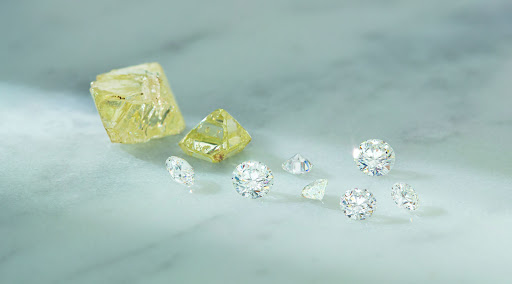
Introduction to Yellow Lab Grown Diamonds
Yellow lab grown diamonds are becoming an increasingly important part of the modern jewelry industry. Created in highly controlled laboratory environments, these diamonds replicate the natural conditions under which diamonds form beneath the Earth. What makes them stand out is their vibrant yellow color, which brings warmth, individuality, and a modern aesthetic to fine jewelry designs. Jewelers today are increasingly working with these stones due to their consistency, affordability, and growing consumer demand.
What Jewelers Really Think About These Diamonds
From a jeweler’s perspective, yellow lab grown diamonds offer a unique combination of practicality and creative freedom. Unlike natural fancy yellow diamonds, which are rare and expensive, lab grown versions allow jewelers to design more freely without being restricted by high material costs or limited availability.
Many professionals now source yellow lab grown diamonds because they provide consistent quality across batches, making it easier to create matching sets and complex jewelry designs. Jewelers also appreciate the predictability of these stones, as their color, clarity, and size can be controlled more precisely during production.
How Jewelers Evaluate Quality
Jewelers assess yellow lab grown diamonds using the same grading principles applied to natural diamonds, focusing on cut, clarity, color, and carat weight. However, they place particular emphasis on color consistency and cut quality, since these factors greatly influence the diamond’s visual appeal.
A well-cut diamond enhances brilliance and ensures that the yellow color is evenly displayed. Poorly cut stones may appear dull or uneven in tone, which affects the final jewelry piece. Clarity is also important, as inclusions can disrupt light performance. While lab grown diamonds typically have fewer inclusions than natural ones, jewelers still carefully inspect each stone to ensure high visual quality.
Why Color Matters So Much in Jewelry Design
Color is one of the most defining characteristics of yellow lab grown diamonds, and jewelers pay close attention to its intensity and uniformity. The presence of nitrogen during the growth process determines the strength of the yellow hue, ranging from soft pastel shades to deep fancy vivid tones.
Jewelers often select specific color grades depending on the design concept. Lighter shades may be used for subtle elegance, while deeper yellow tones are chosen for bold statement pieces. Consistency in color across multiple stones is especially important for collections, as it ensures visual harmony in finished jewelry.
Advantages Jewelers Highlight
One of the main advantages jewelers highlight is cost efficiency. Yellow lab grown diamonds are significantly more affordable than natural fancy yellow diamonds, allowing designers to create more elaborate pieces without exceeding budget constraints. This affordability also benefits customers, making luxury jewelry more accessible.
Another advantage is availability. Natural colored diamonds are rare, which limits supply and increases cost. Lab grown diamonds, however, can be produced in larger quantities with consistent quality, ensuring steady supply for ongoing jewelry production.
Jewelers also appreciate the ethical benefits. Since lab grown diamonds are created without mining, they reduce environmental impact and eliminate concerns related to conflict sourcing. This aligns with the growing demand for sustainable and responsibly sourced jewelry.
Design Flexibility in Modern Jewelry
Yellow lab grown diamonds offer jewelers significant design flexibility. Their warm color pairs beautifully with different metals, including white gold, yellow gold, and rose gold. This allows designers to experiment with a wide range of styles, from vintage-inspired pieces to modern minimalist designs.
Jewelers often use these diamonds as center stones in engagement rings or as accent stones in halo and pavé settings. Their versatility allows for both subtle elegance and bold creativity, making them suitable for various jewelry collections.
Market Trends Observed by Jewelers
Jewelers have observed a clear shift in consumer preferences toward lab grown diamonds. Customers are increasingly interested in unique and colorful gemstones that reflect personal style rather than traditional norms. Yellow lab grown diamonds fit perfectly into this trend, offering a distinctive alternative to colorless stones.
Another trend is customization. More clients are requesting personalized engagement rings and bespoke jewelry designs. Jewelers find that lab grown diamonds make it easier to fulfill these requests due to their availability and consistent quality.
Misconceptions Jewelers Often Address
Jewelers often clarify misconceptions about lab grown diamonds. One common misunderstanding is that they are not “real” diamonds. In reality, yellow lab grown diamonds have the same chemical, physical, and optical properties as natural diamonds. The only difference is their origin.
Another misconception is that they lack value. While they may have lower resale value compared to natural diamonds, their primary appeal lies in affordability, design flexibility, and ethical production rather than investment potential.
Advice from Jewelers for Buyers
Jewelers typically advise buyers to focus on quality factors rather than size alone. A well-cut, evenly colored diamond will always appear more attractive than a larger stone with poor proportions. They also recommend purchasing from reputable suppliers who provide proper grading information and transparency about production methods.
Viewing diamonds under different lighting conditions is another important tip, as it helps assess true color and brilliance. Jewelers also encourage buyers to consider how the diamond will be used in jewelry design before making a final decision.
Conclusion
Yellow lab grown diamonds are reshaping the jewelry industry from a jeweler’s perspective by offering consistency, affordability, and creative freedom. Their controlled production allows for high-quality stones that meet modern design demands while supporting ethical and sustainable practices. As consumer interest continues to grow, jewelers are increasingly embracing these diamonds as a core part of contemporary jewelry design, making them an important element in the future of the industry.


