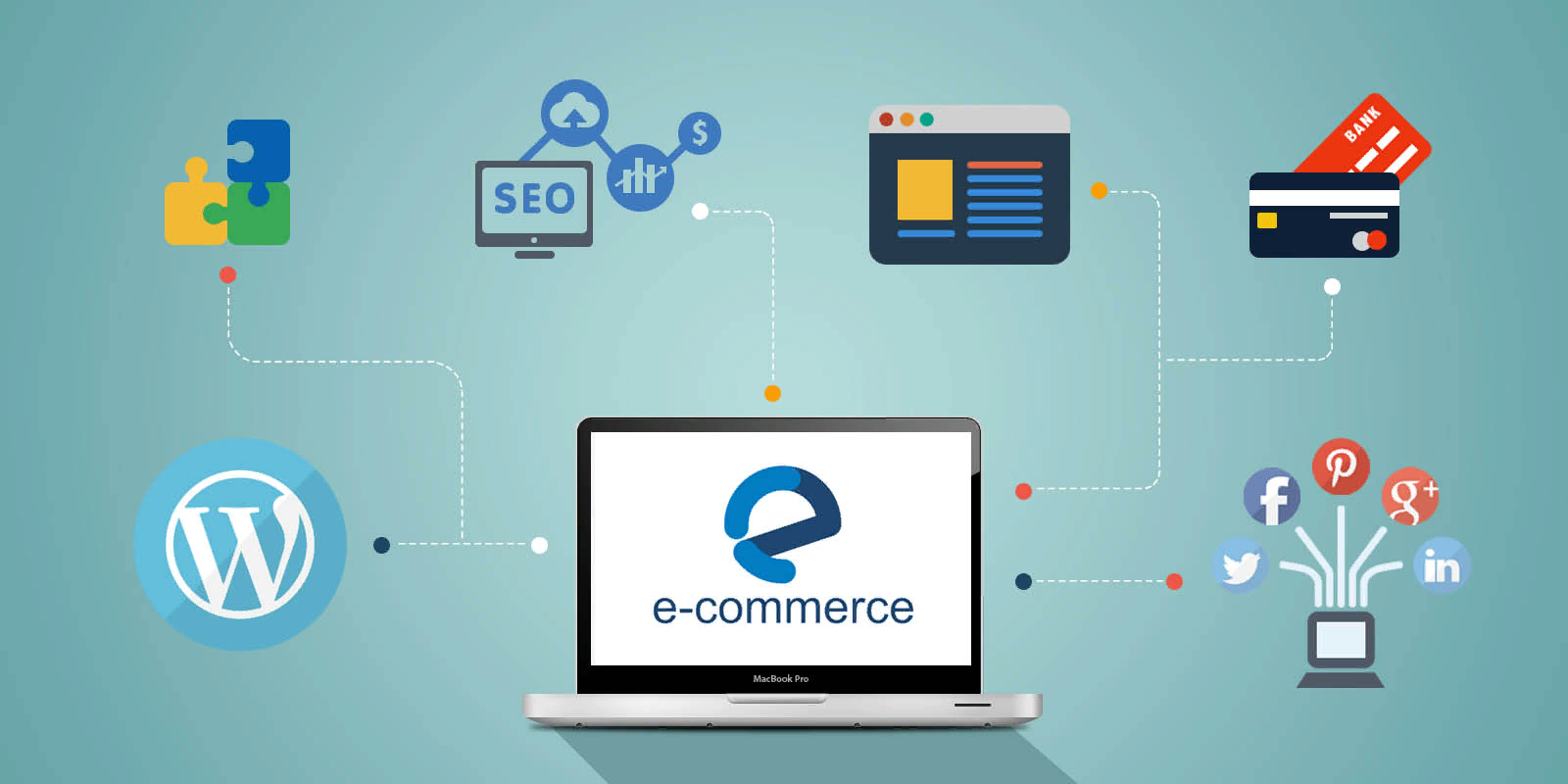
In the ever-changing digital landscape, 2025 is shaping up to be a year of transformation for eCommerce website development services. As consumer behavior continues to evolve and technologies like AI, AR, and automation take center stage, businesses can no longer rely on outdated online stores to compete. Whether you’re an established brand or a new startup, your eCommerce website is the backbone of your online success.
But what exactly should you expect from modern eCommerce website development services in 2025? And how are top eCommerce website developers in Delhi pushing the boundaries to create future-ready online experiences? Let’s dive deep into what’s new, what’s changing, and what businesses should look for when investing in eCommerce development this year.
1. Smarter, AI-Driven Online Stores
Artificial Intelligence (AI) has moved from being a “nice-to-have” to a must-have in eCommerce. Modern development services now integrate AI-driven personalization engines that analyze user behavior in real time.
Here’s what this means for your store in 2025:
- Dynamic product recommendations: Your customers will see products based on their browsing habits, purchase history, and preferences.
- AI-powered chatbots: Gone are the days of robotic replies. Today’s chatbots are conversational, helpful, and capable of handling complex queries, improving the overall customer experience.
- Smart analytics: AI tools now predict shopping trends, allowing store owners to plan inventory, optimize pricing, and improve conversions.
Top eCommerce website developers in Delhi are already embedding AI-based personalization tools into Shopify, WooCommerce, and Magento stores ensuring that even small businesses can deliver Amazon-like experiences.
2. Headless Commerce: Flexibility Meets Performance
If there’s one trend defining eCommerce website development services in 2025, it’s headless commerce.
In simple terms, headless commerce separates your front-end (what customers see) from your back-end (where products, payments, and operations happen). This allows developers to use cutting-edge frameworks like React, Next.js, or Vue.js to create blazing-fast, highly customized storefronts while still connecting to a traditional eCommerce backend like Shopify or BigCommerce.
Why it matters in 2025:
- Faster loading speeds and smoother UX.
- More control over design and user experience.
- Easier integration with apps, APIs, and third-party systems.
- Future-proof architecture ready for web, mobile, and even smart devices.
Businesses that adopt headless now are setting themselves up for long-term scalability and performance benefits.
3. Voice Commerce and Conversational Shopping
With smart speakers and voice assistants becoming a part of daily life, voice commerce is rapidly growing.
In 2025, eCommerce website development services are focusing on optimizing online stores for voice search and voice-based commands. This includes:
- Creating product descriptions that align with natural voice search queries.
- Integrating Alexa or Google Assistant features for reordering or searching products.
- Designing conversational shopping experiences through chatbots or WhatsApp integrations.
Imagine your customers saying, “Hey Google, reorder my protein supplements from FitFuel,” and your system automatically processes the order. That’s the level of convenience modern eCommerce is moving toward.
4. Mobile-First and App-Like Experience
It’s no secret that mobile drives most of the eCommerce traffic. But 2025 is all about progressive web apps (PWAs) websites that look and feel like native mobile apps.
Modern eCommerce website developers in Delhi are now building responsive, app-like sites that:
- Load instantly even on slow networks.
- Work offline or with low connectivity.
- Send push notifications to keep users engaged.
- Provide a smoother and faster checkout experience.
A mobile-first mindset is no longer optional; it’s the default. If your website doesn’t perform flawlessly on mobile, you’re losing sales.
5. AR and VR Shopping Experiences
Augmented Reality (AR) and Virtual Reality (VR) are completely reshaping how people shop online.
Think about it: a customer can now “try on” clothes virtually, see how a sofa looks in their living room, or preview makeup shades all before buying.
In 2025, more eCommerce platforms are integrating AR/VR functionalities directly into product pages. For example:
- Furniture stores using AR to let users visualize how products fit their space.
- Apparel brands offering virtual try-on mirrors.
- Automotive stores providing 360° product tours.
Top eCommerce website development services are leveraging 3D modeling and WebAR tools to make online shopping more immersive and interactive which, in turn, increases customer confidence and reduces returns.
6. Faster Checkout and Multiple Payment Options
A beautiful website means nothing if your checkout process is complicated.
This year, developers are emphasizing frictionless checkout experiences with:
- One-click payments (like Apple Pay, PayPal Express, or Google Pay).
- Buy Now, Pay Later (BNPL) integrations.
- Localized payment gateways for international customers.
- Auto-filled address and card details for returning users.
eCommerce in 2025 is all about speed and convenience. Your customer shouldn’t have to think twice before clicking “Buy Now.”
7. Security and Data Privacy Are Top Priorities
As online transactions continue to grow, so does the risk of cyberattacks and data breaches. Businesses must ensure strong cybersecurity measures are in place.
Leading eCommerce website development services now include:
- End-to-end SSL encryption.
- Two-factor authentication.
- GDPR and data privacy compliance.
- Real-time fraud detection tools.
Building customer trust through transparent data practices will be a defining factor for online success in 2025.
8. Sustainable and Ethical eCommerce Development
Sustainability is more than a buzzword, it’s a movement.
Consumers are becoming more conscious of their choices, and brands that reflect those values stand out. Developers are now helping brands integrate eco-friendly design choices such as:
- Energy-efficient hosting solutions.
- Minimalist design for faster load times (reducing carbon footprint).
- Highlighting sustainable product sourcing and packaging options.
When your website communicates authenticity and social responsibility, it attracts customers who care and that’s a growing segment in 2025.
9. Integration with Social Commerce and Marketplaces
Social media isn’t just for branding anymore it’s a full-fledged sales channel.
Modern eCommerce website development services help businesses integrate their online stores with platforms like Instagram, Facebook, Pinterest, and TikTok for direct selling.
This includes:
- Syncing product catalogs across platforms.
- Enabling in-app checkout experiences.
- Running dynamic ads that update automatically with inventory.
Additionally, integrations with marketplaces like Amazon, Flipkart, and Etsy ensure multi-channel visibility, giving businesses the reach they need in a competitive market.
10. Local Expertise: Why eCommerce Website Developers in Delhi Are in Demand
Delhi has become a major hub for digital innovation in India. The city’s eCommerce website developers are known for combining creativity, technical excellence, and affordability.
Businesses working with Delhi-based teams can expect:
- Tailor-made solutions designed for Indian and global markets.
- Expertise in Shopify, WooCommerce, Magento, and custom builds.
- Local SEO and content strategies that connect with regional audiences.
- Cost-effective packages without compromising on quality.
Whether you’re a startup looking to launch or an established brand planning to scale, eCommerce website developers in Delhi offer a balance of skill, speed, and strategic understanding that few other regions can match.
11. Data-Driven Growth and Post-Launch Optimization
A successful eCommerce website doesn’t end at launch. Continuous improvement is the key.
That’s why, in 2025, development agencies focus heavily on data-driven optimization. Expect services that include:
- Heatmaps and user behavior tracking.
- A/B testing for design and content.
- Conversion rate optimization (CRO) strategies.
- SEO and performance audits.
It’s about ensuring your store evolves with your audience, not against it.
Final Thoughts
The future of eCommerce website development services is smarter, faster, and more customer-focused than ever before. From AI-powered personalization to immersive AR shopping and lightning-fast PWAs, 2025 is redefining what online shopping feels like.
And if you’re looking to build or revamp your store, partnering with experienced eCommerce website developers in Delhi can give you a competitive edge. They understand not just the code but the commerce behind it.