
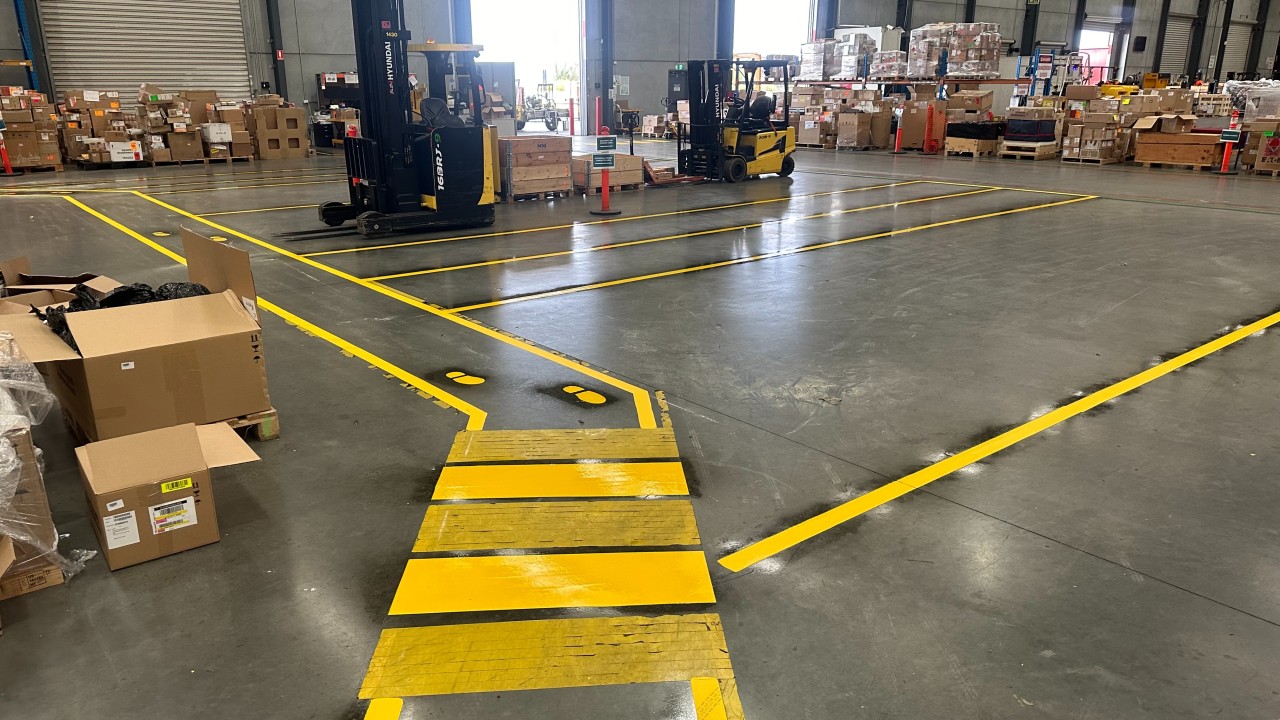
Clear Factory Line Marking plays an important role in creating a safe and organised workplace. It helps separate pedestrian walkways, vehicle routes, storage areas, and restricted zones, making daily operations more efficient. However, even a well-designed layout can become less effective if common line marking mistakes are overlooked. Poor planning, incorrect application, and lack of maintenance can all reduce visibility and increase workplace risks. By avoiding these mistakes, businesses can create safer workplaces and keep daily operations running smoothly.
Skipping a Proper Site Assessment Before Marking
Applying line markings without first assessing the workplace often creates avoidable problems. Walkways may intersect with forklift routes, storage zones may obstruct movement, and emergency exits may not remain clearly defined. Before marking begins, businesses should review employee movement, vehicle movements, loading areas, machinery locations, and emergency access points. A proper assessment ensures that Factory Line Marking reflects the way the site operates, reducing confusion and supporting safe, efficient movement throughout the facility.
Using Incorrect Colours, Widths, or Symbols
Clear line markings depend on several important elements, including:
- Colours: Use colours that comply with workplace safety standards and apply them consistently to help employees identify different areas.
- Line Widths: Choose suitable widths for pedestrian paths, vehicle lanes, and hazard zones to improve visibility.
- Symbols and Labels: Apply clear symbols and easy-to-read text that communicate instructions clearly.
Using consistent colours, symbols, and line widths throughout the workplace makes markings easier to recognise and supports safer day-to-day operations.
Applying Line Markings on Unsuitable Floor Surfaces
Even durable marking materials can fail if they are applied to unsuitable surfaces. Dust, grease, moisture, or damaged flooring prevents paint from bonding properly, leading to peeling and early wear. Businesses should clean the floor thoroughly, repair damaged areas, and ensure the surface is dry before any application begins. Proper preparation increases the lifespan of the markings, reduces unnecessary maintenance, and keeps important safety zones visible under regular factory traffic.
Waiting Too Long to Refresh Worn Markings
Regular maintenance keeps line markings effective. Businesses should include the following activities as part of their maintenance programme:
- Routine Inspections: Check high-traffic areas regularly for fading, peeling, or damaged markings.
- Timely Repainting: Refresh worn markings before they become difficult to see or affect workplace safety.
- Layout Reviews: Update markings whenever equipment, storage areas, or traffic routes change.
Following these practices helps maintain clear markings that continue to support safe movement across the workplace.
Treating All Site Markings the Same
Different areas within a business require different marking solutions. Production floors, loading bays, warehouses, and outdoor spaces experience varying traffic levels and environmental conditions. Applying the same materials and layouts across every area may reduce their effectiveness. For example Car Park Line Marking requires weather-resistant materials and layouts that support safe vehicle movement and pedestrian access. Choosing the right solution for each environment improves durability while maintaining clear guidance across the entire site.
Conclusion
Effective line marking depends on more than simply applying paint to a floor. Careful planning, correct surface preparation, consistent markings, and regular maintenance all contribute to safer and more organised workplaces. Reviewing markings as operations change also helps businesses maintain clear guidance for employees and visitors. By avoiding these common mistakes, organisations can improve workplace safety, reduce operational disruptions, and ensure their line markings continue to perform their intended purpose in the long term.


