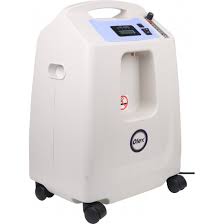
Oxygen converter machines play a vital role in a variety of applications, from supporting medical treatments to industrial oxygen production. As global demands for high-functioning, efficient equipment continue to rise, researchers and engineers are constantly looking for ways to advance these technologies. In recent years, the concept of nano machines has garnered massive interest as a groundbreaking solution to revolutionize modern devices, including oxygen converter machines. But can nano machines truly improve the efficiency of an oxygen converter machine? This article explores the potential applications, benefits, and challenges involved in integrating nano machines with oxygen converter technology.
What Are Nano Machines?
Nano machines, or nanobots, are extremely tiny devices designed to perform specific tasks at the molecular or atomic level. Built using principles of nanotechnology, they are typically on the scale of 1 to 100 nanometers—significantly smaller than the width of a human hair. Their functions range from molecular manipulation to delivering therapeutic drugs inside the human body, demonstrating their versatility across industries such as healthcare, manufacturing, and environmental sciences.
Nano machines can function autonomously or be programmed to execute highly precise actions. Their ability to work at the nanoscale makes them ideal for applications requiring intricate designs that standard technology cannot achieve. By operating at this microscopic level, nano machines hold the promise of redefining how devices like oxygen converter machines operate.
Understanding Oxygen Converter Machines
Oxygen converter machines help facilitate processes that rely on oxygen separation or purification. These machines are essential for medical oxygen generation, water treatment systems, steel production, and even space exploration. A typical oxygen converter machine separates oxygen molecules from ambient air, often through pressure swing adsorption (PSA) or membrane-based technology. The performance of these machines depends heavily on their efficiency, output capacity, and ability to operate under various environmental conditions.
While conventional oxygen converter methods have proven effective in many scenarios, there is room for improvement, especially when addressing scalability, energy efficiency, miniaturization, and enhanced output. This is where nano machines emerge as a promising new ally.
How Nano Machines Work in Chemistry and Oxygen Separation
One of the most remarkable aspects of nano machines is their potential to influence molecular processes at extraordinary precision. In the context of oxygen separation, nano machines can optimize molecular bonds and enhance catalytic functions—key elements in oxygen converter machine efficiency.
For instance, engineers could design nano machines to act as molecular catalysts to improve adsorption or desorption mechanisms during the oxygen separation process. By leveraging nanotechnology, nano machines could also boost the effectiveness of membranes used in oxygen purification, allowing them to provide higher levels of purity or faster throughput. These advancements not only reduce energy consumption but could pave the way for smaller, portable oxygen converter machines for diverse environments.
Potential Benefits of Nano Machines in Oxygen Converter Machines
The integration of nano machines with oxygen converter machines introduces a wealth of advantages across operational and performance metrics. Here are the most notable benefits:
Enhanced Efficiency
Nano machines can target explicit processes within an oxygen converter machine, such as optimizing oxygen molecule extraction or separation. They eliminate inefficiencies present in conventional designs, save energy, and expedite production times.
Improved Miniaturization
Oxygen converter machines are traditionally bulky and complex. Nano machines offer opportunities to miniaturize key components, allowing for compact device designs suited for portable and remote applications. For example, nano-enhanced oxygen converter machines could be used in disaster relief or outdoor scenarios.
Energy Savings
One of the main challenges in operating oxygen converter machines is managing energy consumption, especially in industrial settings. Nano machines can be programmed to work in harmony with molecular-level efficiency, reducing the overall energy draw and lowering operational costs.
Higher Oxygen Purity Levels
Nano machines can improve purity levels in oxygen production by refining molecular filtration processes. This is crucial for applications like medical oxygen generation, where consistent quality is essential for patient care.
Self-Maintenance and Longevity
Certain nano machines can perform automatic maintenance tasks, such as repairing membrane surfaces or detecting impurities. This self-healing ability extends the life cycle of oxygen converter machines and reduces downtime, thereby improving reliability.
Environmental Sustainability
Nano machines can minimize waste production and energy requirements, resulting in greener operational practices. This is particularly important in industrial applications where sustainability has become a growing priority.
Real-World Applications: How Nano Machines Are Making Their Way
Nano machines are not just theoretical concepts; they have been increasingly deployed in experimental and applied fields. Their compatibility with oxygen converter machines has been speculated and tested across various domains.
Healthcare Applications
In hospitals and emergency medical units, oxygen converter machines play an indispensable role. Nano machine integration could improve oxygen purity levels and expedite oxygen production for patients. Small, portable oxygen units enhanced with nano technology could revolutionize treatment options for home-based care and ambulatory setups.
Aerospace and Space Technology
In space exploration, oxygen generation systems need to work with extreme efficiency due to limited resources. Nano machines provide avenues for drastically reducing the size and weight of oxygen converters while simultaneously improving functionality and durability in non-Earth environments.
Industrial Utilization
Nano enhancements in oxygen converter machinery could reshape steel production and waste treatment industries. The higher efficiency provided by nano machines means reduced operating costs and a smaller environmental footprint—two significant concerns for industrial facilities.
Challenges in Integrating Nano Machines with Oxygen Converter Machines
While the potential benefits are vast, several challenges need to be addressed before nano machines can fully transform oxygen converter technology. These include:
Manufacturing Complexity
The development of nano machines with the capacity to work in oxygen converter systems poses significant challenges in terms of manufacturing precision. Producing nano machines at scale requires advanced fabrication techniques, which can be expensive and resource-intensive.
Integration Compatibility
The successful integration of nano machines into existing oxygen converter machine designs may require complete design overhauls. Compatibility issues between nano machines and current mechanical systems need to be addressed to ensure a seamless union.
Cost Implications
While nano machines have the potential to reduce operating costs in the long run, initial development and implementation can be prohibitively expensive, particularly for small-scale manufacturers.
Safety Concerns
Nano technology introduces safety and ethical concerns, especially when applied in medical or environmental sectors. Ensuring the consistency and reliability of nano machines in sensitive oxygen production contexts is critical for stakeholder trust.
Regulatory Constraints
The regulatory framework for nanotechnology applications is still evolving, and the deployment of nano-enhanced oxygen converter machines must adhere to stringent standards to ensure safe implementation.
Future Outlook of Nano Machines in Oxygen Converter Technology
Despite the challenges, the future of nano machines in oxygen converter technology looks promising. Continued advancements in nanotechnology are likely to resolve many of the initial barriers to adoption, making integration closely aligned with industry standards. Indeed, nano machines are becoming synonymous with innovation, providing targeted solutions to intricate challenges that traditional engineering cannot solve effectively.
Researchers predict that nano machines could begin influencing small-scale, portable oxygen converter systems within the next decade, revolutionizing how oxygen is generated in medical facilities, disaster zones, and remote locations. High-tech industries, such as aerospace, could pioneer initial adoption, driving down costs over time and making nano-enhanced systems accessible to even smaller manufacturers.
Conclusion
Nano machines represent a cutting-edge evolution in technology, capable of accelerating breakthroughs across multiple disciplines, including oxygen converter machines. Their ability to perform molecular-level functions introduces unprecedented opportunities to increase efficiency, improve functionality, and enhance sustainability in oxygen generation processes.
While challenges remain in their integration with existing systems, ongoing research and innovations promise a strong future for this collaboration. From healthcare to industrial applications, nano machines have the potential to shape how oxygen converter machines operate in the years to come. By improving energy savings, boosting functionality, and enhancing the purity of oxygen production, nano technology could soon be integral in meeting global demands for reliable and efficient oxygen converter systems.