Acoustic treatment has become a vital part of modern architecture, especially in spaces where noise control and sound clarity are essential. Offices, schools, healthcare facilities, entertainment venues, and residential buildings all require effective acoustic solutions to create comfortable and functional environments. As architectural designs continue to evolve, so too does the technology behind acoustic products.
A modern acoustic panel factory plays a central role in driving innovation in acoustic treatment solutions. Through advanced materials, automated production systems, and intelligent design processes, factories are reshaping how sound-absorbing products are manufactured and applied in real-world environments.
The Evolution of Acoustic Treatment Solutions
Traditional acoustic materials were often limited in design and performance, focusing mainly on basic sound absorption. Today, innovation has transformed acoustic panels into high-performance architectural elements that combine functionality with aesthetics.
Modern acoustic solutions now address multiple requirements, including:
- Enhanced sound absorption across multiple frequencies
- Integration with interior design concepts
- Sustainability and environmental responsibility
- Fire safety and durability standards
This evolution reflects the increasing demand for multifunctional building materials.
Advanced Material Innovation in Acoustic Panels
One of the most significant areas of innovation in acoustic panel factories is material development. Manufacturers are continuously improving material composition to achieve better acoustic performance and sustainability.
Multi-Layer Composite Materials
Modern panels often use layered structures that combine different materials to target specific sound frequencies more effectively. These composites improve overall sound absorption efficiency.
Recycled and Eco-Friendly Fibers
Sustainable materials such as recycled polyester fibers are widely used to reduce environmental impact while maintaining high acoustic performance.
High-Density Acoustic Cores
Engineered core materials enhance low-frequency sound absorption, making panels suitable for more demanding environments like studios and auditoriums.
Smart Manufacturing Technologies
Automation and digitalization have significantly improved the efficiency and precision of acoustic panel production. Factories now rely on smart systems to optimize every stage of manufacturing.
Automated Production Lines
Integrated production systems reduce manual errors and ensure consistent product quality across large-scale manufacturing operations.
Real-Time Monitoring Systems
Sensors and digital controls monitor temperature, pressure, and material flow during production. This ensures that each panel meets strict performance standards.
AI-Assisted Process Optimization
Some factories use artificial intelligence to analyze production data and improve efficiency, reduce waste, and enhance product consistency.
Precision Engineering and CNC Technology
CNC (Computer Numerical Control) technology has revolutionized how acoustic panels are shaped and customized. It allows manufacturers to achieve extremely precise cuts and complex designs.
Benefits include:
- High-accuracy panel dimensions
- Custom geometric patterns for architectural integration
- Efficient mass production of standardized components
- Reduced material waste through optimized cutting paths
This level of precision ensures that acoustic panels perform consistently in real-world installations.
Innovation in Acoustic Design Flexibility
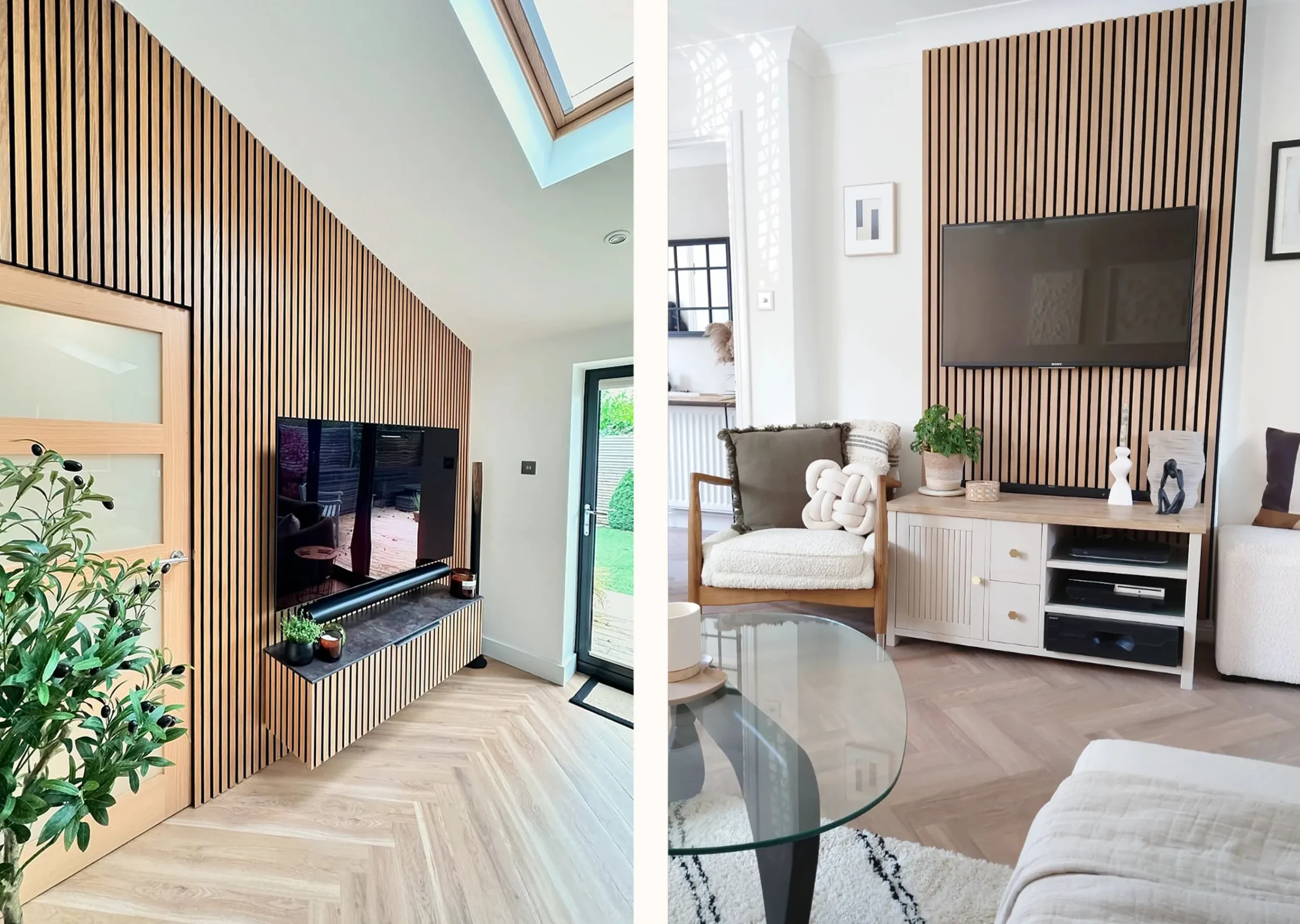
Modern acoustic panel factories are not only focused on performance but also on design adaptability. Acoustic solutions are now integrated into architectural aesthetics rather than being treated as separate functional elements.
Innovative design features include:
- Custom printed acoustic surfaces for branding or decoration
- Modular panel systems for flexible installation layouts
- 3D-textured surfaces for enhanced visual appeal
- Color-matching systems for interior design coordination
This allows designers to create visually appealing spaces without compromising acoustic performance.
Sustainable Manufacturing Innovations
Sustainability continues to be a major driving force in acoustic panel innovation. Factories are adopting environmentally responsible practices to reduce their ecological footprint.
Key sustainability innovations include:
- Use of recycled and biodegradable materials
- Energy-efficient production systems
- Low-emission adhesives and coatings
- Waste recycling and material reuse programs
These practices support green building standards and environmentally conscious construction projects.
Enhanced Acoustic Performance Engineering
Modern acoustic panel factories focus heavily on improving sound absorption efficiency across different environments.
Frequency-Specific Optimization
Panels are engineered to target specific frequency ranges, ensuring better control of both low and high-frequency noise.
Improved Noise Reduction Coefficients
Advanced testing and material design help achieve higher NRC ratings, indicating better overall sound absorption performance.
Multi-Functional Acoustic Systems
Some panels now combine sound absorption with thermal insulation, fire resistance, and decorative functionality.
Digital Acoustic Simulation and Testing
Digital tools have become essential in designing and testing acoustic performance before production begins.
Factories use simulation software to:
- Model sound behavior in different environments
- Optimize panel placement strategies
- Test different material combinations virtually
- Predict acoustic performance outcomes
This reduces design errors and improves overall efficiency in project planning.
The Role of Innovation in Industry Applications
Innovations in acoustic panel manufacturing are directly impacting a wide range of industries.
Commercial Offices
Improved acoustic systems enhance productivity by reducing noise distractions in open-plan spaces.
Education Sector
Advanced panels help improve speech clarity and learning environments in classrooms and lecture halls.
Healthcare Facilities
Innovative acoustic solutions contribute to quieter, more comfortable healing environments.
Hospitality and Entertainment
Enhanced acoustic designs improve guest experience in hotels, restaurants, and performance venues.
Future Trends in Acoustic Panel Manufacturing
The future of acoustic panel factories is expected to focus on even greater integration of technology and sustainability.
Emerging trends include:
- Smart acoustic systems that adapt to environmental noise levels
- Fully recyclable acoustic materials
- AI-driven acoustic design optimization
- Ultra-lightweight high-performance panels
These innovations will continue to expand the role of acoustic panels in modern architecture.
Conclusion
Innovation in acoustic panel factories is transforming the way sound control solutions are designed, manufactured, and applied. Through advanced materials, smart manufacturing technologies, precision engineering, and sustainable practices, factories are delivering highly efficient and adaptable acoustic solutions.
By partnering with a modern acoustic panel factory, architects, designers, and contractors can access cutting-edge products that enhance sound quality, improve interior comfort, and meet the evolving demands of contemporary construction and design.