
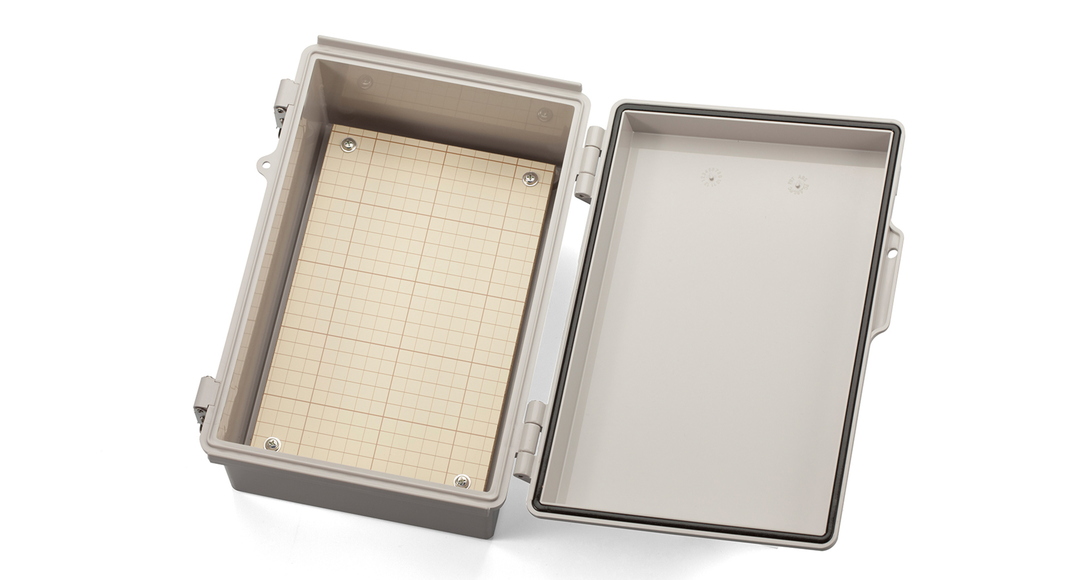
Plastic enclosures are widely used for outdoor electrical and electronic installations because they offer reliable protection against environmental conditions. Outdoor applications expose equipment to rain, dust, sunlight, and temperature changes, making enclosure selection a critical factor in system performance and longevity.
In modern engineering, plastic enclosures are commonly chosen for outdoor use due to their balance of durability, corrosion resistance, and design flexibility. When properly designed and rated, they can protect sensitive components in a wide range of harsh environments.
Why Outdoor Protection Matters
Outdoor environments are unpredictable and often harsh on electronic systems. Without proper protection, moisture and dust can quickly damage circuits, leading to system failure or safety risks.
Common outdoor challenges include:
- Rain and water exposure
- Dust, sand, and airborne particles
- Direct sunlight and UV radiation
- Temperature fluctuations
- Wind-driven debris and impact risks
Plastic enclosures help mitigate these risks by creating a sealed protective barrier around internal components.
Durability of Plastic Enclosures in Outdoor Conditions
Durability is one of the most important factors when selecting an enclosure for outdoor use. High-quality plastic materials such as ABS and polycarbonate are engineered to withstand physical and environmental stress.
Key durability features include:
- High impact resistance to handle accidental knocks or debris
- Resistance to corrosion unlike metal enclosures
- Stable performance under varying temperatures
- Lightweight structure for easier installation in outdoor setups
These properties ensure long-term reliability even in exposed environments.
Understanding IP Ratings for Outdoor Use
IP (Ingress Protection) ratings define how well an enclosure protects against dust and water. For outdoor applications, selecting the correct IP rating is essential.
Common IP ratings for outdoor plastic enclosures include:
- IP54: Basic protection against dust and water splashes
- IP65: Dust-tight and protected against water jets
- IP66: Strong protection against powerful water jets
- IP67: Protection against temporary immersion in water
Higher IP ratings are recommended for areas with heavy rainfall or direct water exposure.
Materials Used for Outdoor Plastic Enclosures
The material used plays a major role in determining how well an enclosure performs outdoors.
ABS Plastic
ABS is widely used for general outdoor applications due to:
- Good impact resistance
- Cost efficiency
- Ease of manufacturing
- Reliable insulation properties
However, it is best suited for moderate outdoor conditions unless enhanced with coatings or sealing systems.
Polycarbonate
Polycarbonate is preferred for more demanding outdoor environments because it offers:
- Superior strength and impact resistance
- Better UV and heat resistance
- Long-term durability under harsh conditions
This makes it ideal for critical outdoor installations.
Applications of Outdoor Plastic Enclosures
Outdoor plastic enclosures are used in a wide variety of industries where electronic protection is required in exposed environments.
Common applications include:
- Outdoor lighting and street systems
- Solar power control units
- Telecommunications equipment
- Weather monitoring stations
- Smart city infrastructure devices
These systems rely on enclosures to maintain uninterrupted performance.
Key Design Features for Outdoor Protection
Effective outdoor enclosures are designed with multiple protective features to enhance performance and reliability.
Important design elements include:
- Sealed gasket systems to block moisture
- UV-resistant coatings for sun exposure
- Cable glands for secure and sealed wiring entry
- Reinforced housing for impact resistance
- Proper drainage and ventilation design where needed
These features ensure long-term protection in challenging environments.
Benefits of Using Plastic Enclosures Outdoors
Plastic enclosures offer several advantages over metal alternatives in outdoor applications.
Key benefits include:
- Corrosion resistance in wet or humid environments
- Lightweight structure for easier mounting and installation
- Cost-effective production for large outdoor deployments
- Flexible design options for custom applications
- Electrical insulation for improved safety
These advantages make them a practical choice for many outdoor systems.
Conclusion
Plastic enclosures are an essential solution for protecting electronic systems used in outdoor environments. Their durability, IP-rated protection, and material advantages make them suitable for a wide range of applications exposed to weather and environmental stress. By selecting the right material and IP rating, engineers can ensure reliable performance, safety, and long-term durability of outdoor electronic systems.


