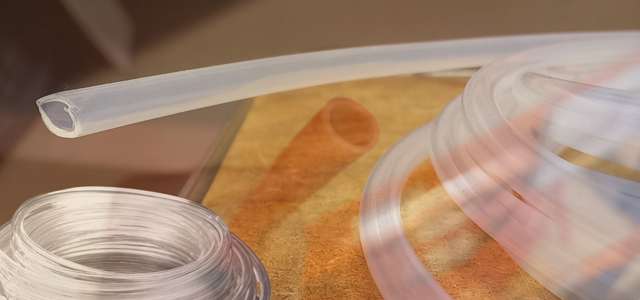
Silicone tubing is widely used in industries such as medical devices, pharmaceuticals, food processing, biotechnology, automotive systems, and industrial manufacturing. Despite its versatility and strong demand, producing high-quality silicone tubing is not without challenges. Manufacturers must overcome technical, operational, and regulatory difficulties to ensure consistent product performance.
The complexity of production increases as industries demand higher precision, stricter compliance, and more customization. Many businesses rely on a trusted Silicone Tube Manufacturer to understand how these challenges are managed in real-world production environments. Understanding these issues helps explain why silicone tubing requires advanced manufacturing systems and strict quality control.
Maintaining Consistent Raw Material Quality
One of the biggest challenges faced by silicone tube manufacturers is ensuring consistent raw material quality. Silicone compounds must meet strict purity and performance standards, especially for medical and food-grade applications.
Variations in raw materials can lead to inconsistencies in flexibility, strength, and chemical resistance. Manufacturers must carefully source silicone from reliable suppliers and conduct thorough testing before production. Even small changes in material composition can significantly affect final product performance.
Managing this consistency is essential for maintaining reliability across large production batches.
Achieving Precision in Manufacturing Processes
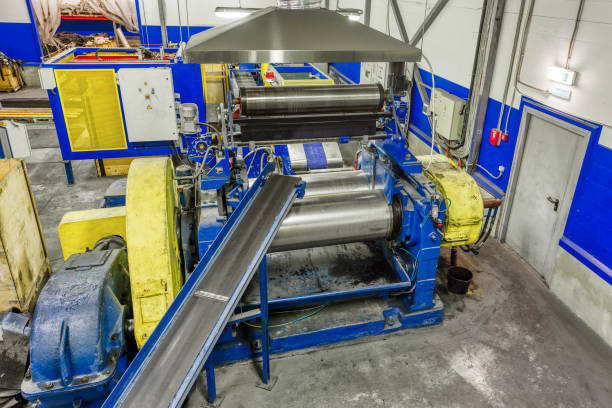
Silicone tubing requires extremely precise manufacturing processes, especially during extrusion. Maintaining accurate dimensions such as inner diameter, outer diameter, and wall thickness is a major challenge.
Even slight deviations can cause performance issues in sensitive applications like medical devices or laboratory systems. Manufacturers must use advanced machinery and strict process controls to ensure uniformity.
Temperature, pressure, and extrusion speed must be carefully monitored to avoid defects and ensure consistent product quality.
Meeting Strict Regulatory and Certification Requirements
Another major challenge is complying with international regulations and certifications. Silicone tube manufacturers must meet standards such as ISO 9001, ISO 13485, FDA regulations, USP Class VI, and REACH compliance depending on the target industry.
Each certification requires strict documentation, testing, and auditing processes. Maintaining compliance across multiple markets adds complexity to production and quality management systems.
Failure to meet these standards can result in product rejection, legal issues, or loss of market access.
Managing Customization Demands
Modern industries increasingly require customized silicone tubing solutions. This creates challenges for manufacturers who must balance customization with efficiency and cost control.
Customization may include variations in size, color, hardness, reinforcement, or chemical resistance. Each change requires adjustments in production setup, material formulation, and quality testing.
Handling multiple custom orders simultaneously can strain production systems and increase the risk of errors if not managed properly.
Maintaining Production Efficiency at Scale
Scaling production while maintaining quality is another significant challenge. As demand increases, manufacturers must ensure that higher output does not compromise product consistency.
Large-scale production requires efficient workflow management, automated systems, and well-trained staff. Bottlenecks in any part of the production process can lead to delays and increased costs.
Balancing speed, quality, and cost efficiency is a continuous challenge in silicone tube manufacturing.
Controlling Defects and Quality Variations
Defect control is a critical issue in silicone tubing production. Common defects include surface imperfections, uneven wall thickness, air bubbles, or contamination.
These issues can arise from material inconsistencies, equipment calibration errors, or environmental factors during production. Manufacturers must implement strict inspection systems to detect and eliminate defects early in the process.
Advanced testing methods such as tensile strength analysis and pressure testing are used to ensure product reliability.
Managing Cleanroom and Contamination Risks
For medical and pharmaceutical applications, contamination control is extremely important. Maintaining cleanroom environments requires strict hygiene protocols, controlled air filtration, and specialized equipment.
Even minor contamination can render silicone tubing unsuitable for sensitive applications. This makes cleanroom maintenance both costly and operationally challenging.
Manufacturers must continuously monitor environmental conditions to ensure compliance with cleanliness standards.
Supply Chain and Raw Material Availability Issues
Silicone tube manufacturers also face challenges related to supply chain management. Delays in raw material delivery or shortages can disrupt production schedules.
Global supply chain fluctuations can impact material availability and pricing, making planning more difficult. Manufacturers must maintain strong supplier relationships and efficient inventory management systems to reduce risks.
Unstable supply chains can lead to production delays and increased operational costs.
Balancing Cost Efficiency with Quality
Maintaining high product quality while controlling costs is a constant challenge. High-quality materials, advanced machinery, and strict testing processes all contribute to production costs.
Manufacturers must find a balance between affordability and performance without compromising standards. This requires efficient resource management and continuous process optimization.
Cost pressures can be particularly challenging in competitive global markets.
Adapting to Technological Advancements
Technology in silicone manufacturing is constantly evolving. Manufacturers must continuously invest in new machinery, automation systems, and digital tools to stay competitive.
However, adopting new technology comes with challenges such as high investment costs, staff training requirements, and integration with existing systems.
Keeping up with technological advancements is essential but often complex and resource-intensive.
Conclusion
Silicone tube manufacturers face a wide range of challenges, including raw material consistency, precision manufacturing, regulatory compliance, customization demands, and supply chain management. Each of these factors requires careful planning, advanced technology, and strong quality control systems.
Despite these challenges, manufacturers continue to improve processes and adopt innovative solutions to meet growing industry demands. Understanding these challenges highlights the complexity behind producing high-quality silicone tubing for modern applications.