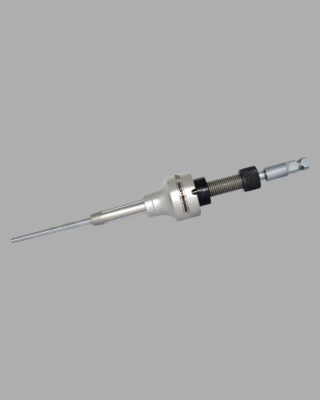
The creation of robust tube connections which do not leak proves essential to both safety measures and operational performance in high-pressure boiler systems. A tube expander becomes necessary at this point. The instrument functions as a precision tool which expands tubes through a tube sheet interface to create a secure mechanical connection between the two components without requiring any welding work.
Operational reliability increases through the use of correct boiler tube expander tools while maintenance expenses decrease when operators implement these established industry procedures.
1. Understanding the Application Requirements
Operators must assess the specific boiler configuration before they begin using a tube expander. The combination of tube outer diameter wall thickness and tube sheet thickness needs to be assessed for correct expansion execution. Incorrect selection of a tool or size results in compromised joint strength, which leads to tube damage.
2. Using the Correct Expansion Technique
The process of expansion requires the tube ends to undergo cold working, which results in a secure connection. Operators should apply force in a consistent and controlled manner throughout their operations when using the boiler tube expander tool. The impact of over-expansion causes tube wall thickness reduction, which decreases tube strength while under-expansion generates leaks.
Modern-day expansion systems come in three distinct configurations, which include pneumatic, electric, and hydraulic systems to ensure accurate results and uniform performance.
3. Maintaining Proper Tool Alignment
Tube expander operations depend heavily on alignment which is the most important operational requirement. Misalignment creates uneven expansion which results in stress points that cause early equipment failure. The tool must be centered correctly inside the tube before the expansion operation begins.
Additionally, components like mandrels, rolls, and cages need to remain in optimal condition because they directly affect the quality of the expansion process.
4. Monitoring Torque and Speed
The control of torque and speed proves crucial for high-pressure boiler operations. The tool becomes damaged through excessive torque which affects both the tube and the equipment when insufficient torque fails to deliver the necessary strength for the connection.
The use of torque-controlled drives together with automated systems provides consistent results for different tube applications. This enables operators to achieve precise and reproducible results in challenging industrial conditions.
5. Regular Inspection and Maintenance
The boiler tube expander tool requires regular inspections to maintain its safe operational standards and performance capabilities. Tool lifespan increases through the use of suitable lubrication practices together with prompt replacement of all worn-out components.
Regular maintenance activities decrease equipment downtime while ensuring that all expansion work complies with high-pressure industry standards.
Conclusion
Through the implementation of these best practices needed for tube joint construction, industries can achieve the development of strong and leak-proof tube connections. The company Tube Expanders has established itself as a trusted name in this field, which offers a comprehensive range of high-quality expansion tools and systems. The brand continues to maintain its global presence to assist industries in achieving safe and efficient boiler operations.