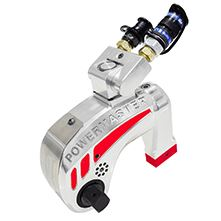
Heavy machines, pipelines, and steel structures depend on one small but critical detail, properly tightened bolts. A loose bolt can cause problems, while too much force can damage the equipment. This is where tools like a hydraulic torque wrench and support equipment from reliable flange spreaders suppliers become important . These tools are designed to make tightening and loosening work smooth, controlled, and safe without guesswork.
Instead of relying on manual force, these tools bring consistency and balance into the process. The result is better performance , less risk, and a more dependable setup in demanding work environments.
What is a Hydraulic Torque Wrench?
A hydraulic torque wrench is a power tool used to tighten or loosen bolts and studs. It works by applying a controlled amount of torque to the fastener
This means :
- The bolt is tightened just enough
- There is no damage to the threads or equipment
- The process stays safe and accurate
Unlike manual tools, this wrench focuses on precision. It avoids over-tightening, which can push a bolt beyond its safe limit, and also prevents under tightening, which may lead to failure during operation. It is a tool that ensures every bolt is tightened the right way, every single time
Why This Tool Makes a Difference
Using a hydraulic torque wrench brings several practical benefits, specifically in heavy duty work environments :
- High Accuracy: Proper torque is applied without crossing safe limits. This helps to maintain the strength of the bolt and the structure
- Faster Work: Compared to manual tools, the process is quicker. This is helpful when working with large bolts or handling multiple fasteners
- Flexible Usage: Available in different sizes and torque capacities, making it suitable for different tasks
- Consistent Output: Each bolt gets the same level of tightening, which enhances overall reliability
- Improved Safety: Reduces chances of accidents caused by uneven or incorrect tightening
These benefits make it a preferred choice in industries where accuracy and safety cannot be compromised
How Does a Hydraulic Torque Wrench Work?
The working process may sound technical, but the idea is simple. A hydraulic system generates pressure, and that pressure is used to create force. This force turns the bolt in a controlled way :
Working Process Explained
- A hydraulic pump (electric or pneumatic) creates high pressure power
- This power moves a piston inside the tool
- The piston is connected to a ratchet system
- The ratchet grips the bolt and turns it step by step
- After each turn, it resets and continues the process
The tool uses a ratchet pawl system:
- Coarse teeth: Engage one tooth at a time
- Fine teeth: Engage multiple teeth for smoother movement
Both types have their own use depending on the requirement. Choosing the right one helps improve efficiency and tool life.
Where These Tools Are Used
The use of a hydraulic torque wrench is common across multiple industries where strong and secure fastening is required :
Major Applications
- Oil and Gas Industry
-
-
- Pipeline maintenance
- Wellhead operations
- Drilling equipment work
-
- Power Generation
-
-
- Turbines and generators
- Regular maintenance tasks
-
- Manufacturing Sector
-
-
- Assembly of heavy machinery
- Equipment servicing
-
- Construction Work
-
- Steel structures
- Bridges and infrastructure projects
In many of these setups, support tools from flange spreaders suppliers are also used. These help in safely opening flanges without sparks or damage, making the overall process safer and faster.
Final Thoughts
Strong connections hold everything together, whether it is machinery, pipelines, or large structures. A hydraulic torque wrench makes sure that every bolt is tightened with care and precision , while tools from trusted flange spreaders suppliers support safe and efficient operations. Simple tools , when used the right way, can prevent major issues. With the Bolting System in place, work becomes faster, safer, and more dependable.