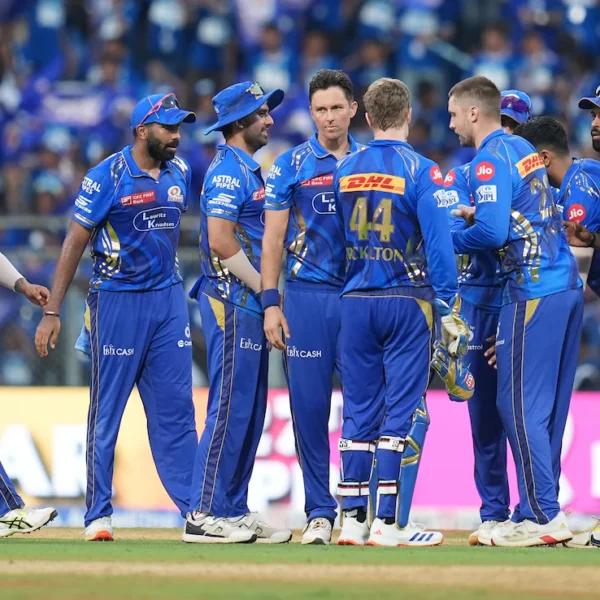
As the anticipation for the upcoming season builds, fans and analysts are already delving deep into the IPL 2026 pitch report and prediction discussions. Pitch conditions and match venues play a decisive role in shaping outcomes in the Indian Premier League, especially in a year where every game could swing playoff chances. Teams, strategists, and fantasy players alike pay close attention to how surfaces behave, whether they favour batters, spinners, or fast bowlers, as this can significantly influence match tactics and results.
Understanding pitch trends isn’t just about guessing scores; it’s about deciphering how different surfaces interact with weather, team strengths, and playing styles to shape a competitive edge. With venue data, historical stats, and weather dynamics, analysts are building richer insights that go beyond instinct to make data‑informed predictions ahead of IPL 2026.
How Pitch Conditions Influence Match Play
In T20 cricket, the pitch is often the silent strategist. A flat, true surface encourages high run‑rates, while dry, abrasive tracks assist spin bowlers, especially in middle overs. For example, traditionally batting‑friendly venues like Bengaluru and Mumbai have produced some of the highest scores in recent IPL seasons, with average totals often pushing 180‑plus.
Batting‑Friendly Surfaces
Grounds with true bounce and quick outfields tend to favour batters who can clear boundaries with ease. These venues typically produce high powerplay scores and encourage aggressive stroke play. High totals pressure bowlers to adjust lengths and lines, often leading to dynamic run chases and thrilling finishes.
Spin‑Assisting Tracks
Certain venues, especially those used in previous IPL seasons, have shown a propensity to aid spin as matches progress. Dry pitches offer turn and grip, making variations essential for bowlers and strategic for captains. Spinners become key weapons in the middle overs, keeping run rates in check and building pressure.
Seam and Bounce for Fast Bowlers
Pitches with grass cover and bounce can help pace bowlers extract movement, especially in early overs. Fast bowlers who can swing the new ball and exploit occasional seam movement often find success before the surface settles. Venue trends that support such conditions will be crucial in early IPL 2026 matches as teams look to seize early advantages.
Venue‑Specific Dynamics Worth Watching
Understanding each venue’s unique characteristics allows teams to tailor strategies effectively. Certain stadiums favor batting aggression, while others demand disciplined bowling plans. Factors such as boundary dimensions, outfield speed, and historical pitch behaviour can make significant differences in match outcomes.
For example, some stadiums support spinners in middle overs, whereas others assist pacers with bounce and seam. Teams that adapt quickly to these dynamics often gain a tactical advantage and can maximize scoring opportunities or control opposition momentum.
Emerging Strategies for Teams in IPL 2026
Teams are increasingly developing flexible game plans that account for pitch variations. Player selection, batting order adjustments, and bowling combinations are informed by venue analytics and past performance trends.
Successful teams combine power-hitting, strategic spin, and pace variations to exploit both favourable and challenging surfaces. Understanding these strategies highlights the growing importance of data-driven decision-making in modern T20 cricket, helping teams maximize their chances of winning.
Weather’s Role in Pitch Behaviour
Weather conditions often dictate how a pitch behaves throughout a match. Dew in night games can soften the surface, making it difficult for spinners to grip and easier for batters to play shots. Humidity and rain interruptions can also change how teams structure their innings. Smart captains adapt their choices at the toss based on both pitch and forecast, giving them a heightened tactical advantage.
Historical Trends in IPL Pitch Reports
Looking back at past seasons offers valuable context for predicting future outcomes. For example, the Sawai Mansingh pitch has been known to favor teams batting second under lights, turning chases into tactical games rather than brute run-fests. Other iconic venues like Ahmedabad’s Narendra Modi Stadium show how versatile pitches can shape different phases of the game, assisting both bat and ball at various stages.
Statistical Insights for Prediction Models
To illustrate how data guides pitch and venue predictions, consider a simplified view of T20 scoring trends:
| Venue Type | Avg 1st Inns Score | Strategy Favoured |
| Batting‑Friendly | 180+ | Aggressive batting |
| Balanced | 160‑180 | All‑round strategy |
| Spin‑Assisting | 150‑170 | Spinners & tactical play |
This table demonstrates how different pitch behaviours influence team tactics and scoring expectations, offering a data-driven lens for fans and analysts.
How Analysts Use Pitch Data
Professional analysts combine historical pitch reports, weather forecasts, and player performance data to create more accurate prediction models. For example, data from past seasons at venues like Chinnaswamy have shown that even traditionally flat pitches can evolve to favour spin in middle overs, a trend that alters how teams approach batting orders and bowling changes.
Such insights form the backbone of IPL 2026 pitch report and prediction models used by commentators, fantasy league players, and betting analysts alike. By understanding how surfaces behave over time, teams can fine-tune their strategies and anticipate opponent tactics more effectively.
Preparing for the Unpredictable
While data and trends provide valuable guidance, cricket remains a game full of surprises. Sudden rain, uneven pitch wear, or untimely dew can shift momentum unexpectedly, requiring teams to adjust strategies quickly. Even minor changes in bounce or outfield conditions can turn a controlled match into an unpredictable contest. These elements make the IPL exciting, keeping fans, analysts, and players engaged until the very last ball and ensuring every game delivers suspense and thrilling moments.
Conclusion
Pitch and venue trends are among the most influential factors in shaping match dynamics and outcomes in the IPL. As teams prepare for IPL 2026, understanding how different pitches behave, whether they favour batting fireworks, strategic spin play, or balanced contests, offers a powerful edge in crafting winning strategies. Accurate readings of surface behaviour, combined with weather and player form, amplify predictive insights and bring fans closer to the heart of the game.
For enthusiasts seeking deeper insights, IPL 2026 match venue prediction resources from CBTF Tips provide data-backed analysis to support strategy building and fan engagement. These tools help interpret complex trends and offer guidance that enhances understanding of how surfaces and venues influence the beautiful game of cricket.