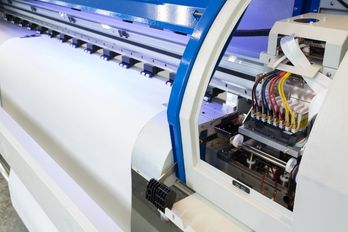
Introduction to Continuous Inkjet Printing
Continuous Inkjet (CIJ) printing has become an indispensable technology in industrial manufacturing and packaging. It allows companies to apply batch numbers, expiration dates, barcodes, and other essential product information directly onto a variety of surfaces with high speed and precision. Over the years, CIJ printers have evolved from basic marking devices into advanced, integrated systems that play a key role in production efficiency, traceability, and regulatory compliance.
As manufacturing technologies continue to advance, the CIJ printer market is poised for further innovation. Leading Continuous Inkjet Printer Manufacturers are investing in research and development to improve printing capabilities, streamline operations, and meet emerging industrial requirements. Understanding these future trends can help manufacturers prepare for the next generation of industrial printing solutions.
Increasing Integration with Smart Factories
One of the most significant trends in CIJ printer manufacturing is deeper integration with automated production systems and smart factory environments. Modern CIJ printers are increasingly connected to Manufacturing Execution Systems (MES), Enterprise Resource Planning (ERP) software, and Internet of Things (IoT) networks. This connectivity enables real-time monitoring, predictive maintenance, and automated quality control, allowing production lines to operate with minimal human intervention.
Smart factory integration also allows data-driven decision-making. By tracking ink consumption, print quality, and machine performance, manufacturers can optimize workflows, reduce waste, and increase overall efficiency. As smart factory technologies expand globally, CIJ printer manufacturers are adapting their products to seamlessly fit into automated and data-driven production environments.
Advances in Print Quality and Speed
Future CIJ printers are expected to achieve higher resolution and faster printing speeds. Manufacturers are investing in precision nozzle technology and advanced ink formulations to produce sharper text, clearer barcodes, and more detailed graphics. These improvements are especially important in industries such as pharmaceuticals and food and beverage, where legibility, traceability, and compliance are critical.
Increased printing speed allows manufacturers to keep pace with faster production lines without sacrificing quality. Multi-line printing and variable data capabilities enable the application of multiple types of information simultaneously, enhancing operational flexibility and efficiency.
Eco-Friendly and Sustainable Solutions
Sustainability is becoming a core focus for CIJ printer manufacturers. The industry is moving toward low-solvent inks, energy-efficient printer designs, and automated ink management systems that reduce waste. These innovations allow manufacturers to meet regulatory requirements, improve environmental performance, and reduce operational costs.
In addition, future printers may include recyclable or refillable components to further minimize environmental impact. Sustainability initiatives are likely to become a differentiating factor for CIJ manufacturers as industries prioritize green manufacturing practices.
Enhanced Reliability and Maintenance
Downtime in industrial production can be costly, so manufacturers are prioritizing reliability and ease of maintenance. Future CIJ printers are expected to feature more automated self-cleaning systems, predictive maintenance alerts, and self-diagnostic capabilities. These enhancements reduce manual intervention, prevent unexpected breakdowns, and extend the operational lifespan of printer components.
Predictive analytics and remote monitoring will allow operators to anticipate potential issues and perform maintenance before failures occur. This proactive approach ensures uninterrupted production and consistent print quality, which is vital for industries that demand high efficiency and compliance.
Adoption of Advanced Inks and Substrate Compatibility
Continuous Inkjet Printer Manufacturers are also developing specialized inks for new substrates and challenging production conditions. Inks with faster drying times, enhanced adhesion, and improved resistance to environmental factors will allow CIJ printers to mark products on difficult surfaces such as textured plastics, metals, and glass.
Furthermore, printers will become more versatile, supporting diverse packaging materials without requiring multiple machines. This flexibility reduces operational complexity and supports manufacturers who produce a variety of products on the same production line.
Integration of Artificial Intelligence and Data Analytics
Artificial intelligence (AI) and advanced data analytics are expected to play a larger role in CIJ printer manufacturing. AI-powered systems can optimize print parameters in real time, detect anomalies in coding quality, and predict maintenance needs. Analytics tools provide insights into ink usage, production trends, and operational efficiency, enabling manufacturers to make informed, strategic decisions.
These capabilities support Industry 4.0 initiatives and allow companies to maintain higher standards of quality, traceability, and productivity. CIJ printers will no longer be simple marking tools—they will become intelligent systems that enhance overall manufacturing performance.
Conclusion
The future of Continuous Inkjet printer manufacturing is defined by automation, integration, sustainability, and intelligence. Key trends include smart factory connectivity, improved print quality and speed, eco-friendly designs, advanced maintenance features, and AI-powered analytics. These innovations will enable manufacturers to maintain high-speed, reliable, and accurate marking across diverse industrial applications.
By keeping pace with these trends, manufacturers can select CIJ systems that not only meet current production requirements but also support future operational goals. Continuous Inkjet Printer Manufacturers are positioning themselves to deliver solutions that enhance efficiency, compliance, and sustainability, ensuring that industrial printing remains an essential and evolving component of modern manufacturing.