
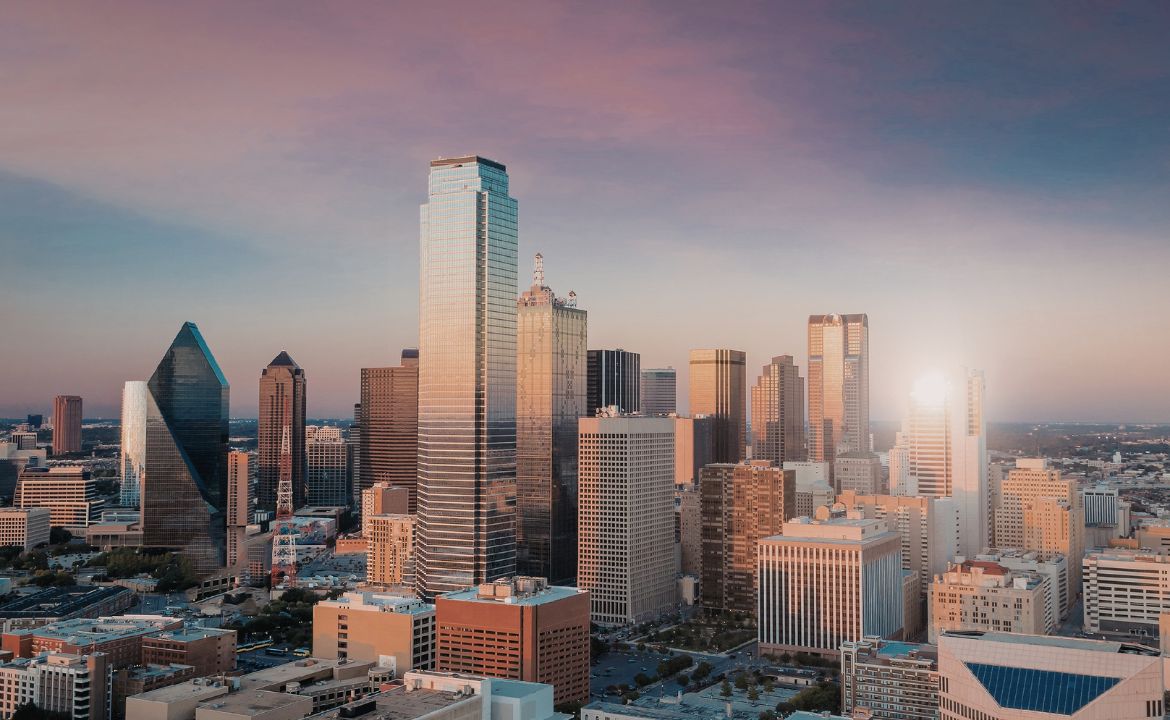
Dallas has a vibrant nightlife scene, from rooftop lounges and cocktail bars to high-capacity nightclubs and live music venues. While these establishments offer entertainment and social connection, they also carry serious safety responsibilities.
When bar or nightclub owners fail to maintain safe premises or ignore foreseeable risks, guests can suffer significant injuries. In these cases, Texas premises liability law may allow injured individuals to pursue compensation.
The Duty Owed to Patrons
Nightclubs and bars are commercial properties that invite the public inside for business purposes. Under Texas law, patrons are generally classified as invitees, which means the property owner owes a high duty of care.
This duty includes:
- Maintaining reasonably safe physical conditions
- Conducting routine inspections
- Addressing hazards promptly
- Providing adequate lighting
- Implementing reasonable security measures
When owners fail to meet these obligations, they may be held responsible for resulting harm.
Common Causes of Injuries in Nightlife Venues
Nightclubs present unique risks due to crowded conditions, dim lighting, loud music, and alcohol consumption. Some of the most common injury scenarios include:
Slip and Fall Accidents
Spilled drinks, wet restroom floors, and slick dance surfaces are frequent hazards. In crowded environments, these dangers can go unnoticed or unaddressed for extended periods.
Overcrowding and Poor Crowd Control
Exceeding occupancy limits or failing to manage crowd movement can lead to trampling injuries, falls, or blocked exits. Venue operators are responsible for maintaining safe capacity levels.
Inadequate Security
Fights and altercations are not uncommon in nightlife settings. If management fails to hire trained security personnel or ignores escalating conflicts, injuries may occur.
In some situations, liability may arise if:
- There is a history of similar incidents
- Security staff are insufficient or improperly trained
- Surveillance systems are not functioning
- Entry screening procedures are inadequate
Dangerous Physical Conditions
Broken steps, unstable railings, poorly maintained balconies, or loose flooring can create serious hazards, especially in dimly lit environments.
Foreseeability and Negligent Security Claims
In negligent security cases, foreseeability is a key factor. Property owners are not automatically responsible for every criminal act that occurs on their premises. However, if prior incidents indicate a pattern of violence or disturbances, reasonable preventive measures may be required.
Courts often examine:
- Past police reports
- Prior altercations
- Location crime statistics
- Existing security policies
If management knew—or should have known—about the risks and failed to act, liability may follow.
Alcohol Service and Dram Shop Considerations
In some cases, liability may extend beyond property conditions. Texas law includes dram shop provisions that may apply when an establishment serves alcohol to an obviously intoxicated person who later causes harm.
These claims are separate from traditional premises liability but may arise alongside them in nightclub injury cases.
Proving a Premises Liability Claim
To recover compensation, an injured person generally must demonstrate:
- A dangerous condition or foreseeable risk existed.
- The property owner knew or should have known about it.
- Reasonable steps were not taken to address the risk.
- The failure directly caused the injury.
Evidence such as surveillance footage, witness statements, incident reports, and staffing records can be crucial in building a strong claim.
Comparative Fault in Texas
Texas follows a modified comparative negligence rule. If the injured individual is partially responsible, their compensation may be reduced proportionally. If they are found more than 50% at fault, recovery may be barred.
Nightclub owners often argue that alcohol consumption contributed to the incident. Careful legal evaluation is necessary to determine how fault may be allocated.
Types of Compensation Available
Injuries at bars and nightclubs can range from minor to severe. Victims may seek compensation for:
- Medical expenses
- Emergency treatment
- Surgical procedures
- Lost income
- Reduced earning capacity
- Pain and suffering
- Emotional distress
Serious injuries, such as traumatic brain injuries or spinal damage, may require long-term medical care.
Immediate Steps After a Nightclub Injury
If you are injured at a Dallas bar or nightclub, consider taking the following actions:
- Seek medical attention immediately
- Report the incident to management
- Request a copy of any incident report
- Identify witnesses
- Preserve photographs or videos if possible
Surveillance footage may be overwritten quickly, so early action is critical.
The Importance of Experienced Legal Representation
Nightlife injury cases can involve complex factual and legal issues, particularly when negligent security or alcohol service is involved. Insurance companies may attempt to minimize claims or shift blame onto the injured party.
A knowledgeable Dallas Premises Liability Attorney can investigate the circumstances, review security procedures, analyze prior incident history, and determine whether the venue met its legal obligations.
Encouraging Safer Entertainment Spaces
Dallas’s nightlife industry contributes significantly to the city’s culture and economy. With that success comes responsibility. Venue owners must take reasonable steps to ensure that guests can enjoy their evening without unnecessary risk.
When negligence leads to injury, holding property owners accountable promotes safer practices and protects the public.
If you have been harmed at a bar or nightclub due to unsafe conditions or inadequate security, consulting a Dallas Premises Liability Attorney can help you understand your legal rights and explore your options for recovery.


