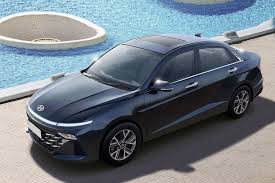
The midsize sedan segment continues to attract buyers who value comfort, reliability, and refined performance. The Hyundai VERNA has earned recognition for its well-balanced driving experience, supported by modern engineering. With the turbocharged variant, the emphasis shifts towards stronger performance while maintaining everyday usability.
This review explains how the turbo model performs in real driving conditions, how efficiently it manages fuel consumption, and how confidently it handles varied Indian roads. By combining power with comfort-focused engineering, the VERNA Turbo aims to deliver a composed and practical ownership experience suitable for both city travel and highway journeys.
Engine Performance and Power Delivery
The Hyundai VERNA Turbo is powered by a 1.5 litre Turbo GDi petrol engine with a four-cylinder configuration. It produces 160 PS at 5,500 rpm and 253 Nm of torque between 1,500 and 3,500 rpm. This broad torque range allows the engine to deliver responsive acceleration without frequent gear changes.
In urban driving conditions, the engine feels smooth and predictable, which helps during overtaking and lane changes. Turbo lag remains controlled, allowing consistent power delivery even in slow-moving traffic. On highways, the engine maintains cruising speeds comfortably while preserving refinement. Rather than focusing purely on aggressive acceleration, the setup prioritises usable power for daily driving.
Transmission and Driving Experience
The turbo variant comes paired with a 7-speed dual-clutch transmission designed to complement the engine’s characteristics. Gear shifts feel smooth during relaxed driving and become quicker when stronger acceleration is required.
Paddle shifters provide added control when manual intervention becomes useful, especially during overtakes. Drive mode selection adjusts throttle response and transmission behaviour, allowing the driver to adapt to traffic conditions or highway cruising needs. Together, these features create a driving experience that feels flexible and controlled across different road situations.
Fuel Efficiency and Practical Mileage
Turbo petrol engines often raise questions about fuel consumption. However, the VERNA Turbo manages efficiency through balanced engineering. The strong low-end torque enables the engine to operate at lower revs during city use, which helps manage fuel usage.
An idle stop-and-go system further supports efficiency in congested conditions. On highways, the engine settles into steady cruising speeds without excessive fuel demand. Drivers who maintain smooth acceleration patterns can achieve mileage figures that offer a practical balance between performance and operating costs.
Ride Comfort and Suspension Setup
Ride quality remains one of the consistent strengths of the Hyundai VERNA. The turbo variant uses a McPherson strut with a coil spring at the front and a coupled torsion beam axle at the rear, supported by gas-type shock absorbers. This configuration allows the sedan to handle uneven road surfaces effectively.
The long wheelbase of 2,670 mm contributes to improved stability and rear passenger comfort. Speed breakers, potholes, and patchy surfaces are absorbed with control, reducing cabin disturbance. This setup ensures that the vehicle remains suitable for daily commuting as well as extended highway travel.
Handling and Steering Control
The turbo variant offers stable handling supported by a rigid chassis and wider tyres. Steering response feels light at lower speeds, which makes city manoeuvring and parking easier. As speed increases, steering weight improves, enhancing driver confidence.
The 205/55 R16 black alloy wheels provide dependable grip during cornering and lane changes. Electronic Stability Control and Vehicle Stability Management operate in coordination to help maintain balance during sudden manoeuvres. These systems function seamlessly in the background, supporting stability without interfering with the natural driving feel.
Braking Performance and Stability
Braking performance plays an important role in overall driving assurance. The sedan addresses this with a well-calibrated braking system and balanced body control.
Key aspects include:
- Disc brakes at the front and rear in the turbo DCT variant
- Progressive brake pedal response for controlled stopping
- Stable straight-line behaviour at higher speeds
- Composed response during sudden braking
Together, these elements help maintain control in traffic and on open highways. The sedan remains steady under braking and does not feel unsettled on uneven surfaces.
Cabin Comfort and Safety Support
Inside the cabin, the Turbo features a sporty black interior theme with subtle red accents. The seating position supports long-distance comfort, while height adjustment and a leather-wrapped steering wheel enhance ergonomics. Noise insulation limits engine and road sounds, contributing to a refined driving environment.
Safety systems complement the performance-oriented setup. The turbo variant includes several features designed to enhance occupant protection and vehicle control.
Key safety and support features include:
- Six airbags, including side and curtain airbags
- Electronic Stability Control and Vehicle Stability Management
- Hill-start assist for incline support
- Tyre Pressure Monitoring System
- Advanced driver assistance features in higher trims
These systems reflect a balanced engineering approach, where added performance receives equal support from structured safety measures.
Conclusion
The Hyundai VERNA Turbo delivers a balanced combination of performance, efficiency, and comfort. Its turbocharged engine offers responsive power suited to daily driving, while fuel efficiency remains manageable for regular use. Suspension tuning and steering calibration contribute to a composed ride across varied road conditions.
For buyers seeking a midsize sedan that blends confident acceleration with refined comfort, the turbo variant presents a practical and dependable choice. By integrating performance enhancements with stability and safety systems, Hyundai ensures that the Turbo remains suitable for both city commutes and extended highway journeys.