
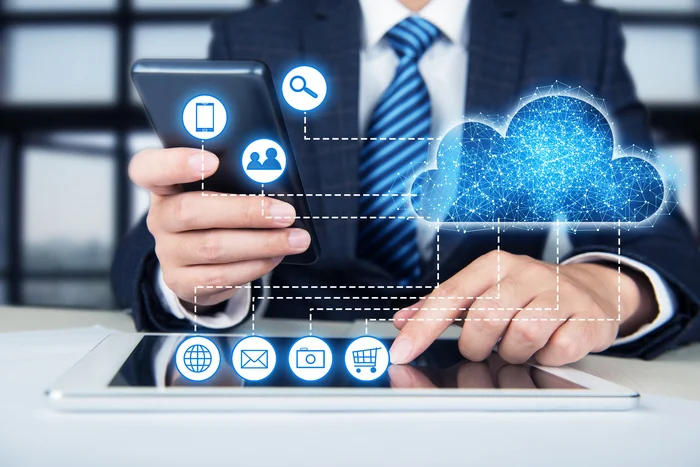
In 2026, the shift toward cloud-based accounting software has moved from being a “tech-forward option” to a fundamental business requirement. For growing companies, the choice to move financial data to the cloud is driven by two critical factors: the need for absolute accuracy and the demand for instant access.
Traditional desktop software often acts as a silo, trapping data on a single machine and increasing the risk of human error. In contrast, cloud platforms leverage automation and connectivity to ensure that your books are not just accessible, but also reliable.
Cloud-Based Accounting Software: Features That Improve Accuracy and Access
1. Real-Time Data Synchronization
One of the most powerful features of cloud based accounting software is real-time synchronization. In the past, business owners had to wait for their accountants to “close the books” at the end of the month to see their financial status.+1
With cloud software, every transaction—whether it is a sale made on your website or an expense swiped on a corporate card—is updated instantly. This provides a “live” view of your cash flow, allowing you to make decisions based on what is happening today, not what happened four weeks ago.+1
2. Automated Bank Feeds and Matching
Manual data entry is the primary enemy of accuracy. Typing in numbers from bank statements is not only slow but also prone to typos.
Cloud platforms solve this through direct bank integration. The software securely connects to your bank accounts and automatically imports transactions every 24 hours. Advanced AI algorithms then suggest “matches” between these bank entries and your existing invoices or bills. By reducing the need for manual typing, you drastically lower the risk of “fat-finger” errors and duplicate entries.+2
3. Multi-User Collaboration and Permissions
Accuracy often requires “more than one set of eyes.” Cloud-based systems allow multiple users—such as your bookkeeper, CFO, and tax consultant—to work within the same file simultaneously.
Instead of emailing sensitive spreadsheets back and forth (which creates version control issues), everyone looks at the same “single source of truth.” Furthermore, you can set specific permission levels. For example, a sales manager might be allowed to create invoices but restricted from seeing the company’s payroll data. This ensures transparency while maintaining strict data security.+1
4. AI-Powered Expense Categorization
Modern cloud software uses machine learning to learn your spending habits. When you upload a receipt via a mobile app, the software uses Optical Character Recognition (OCR) to read the vendor, date, and amount.
Over time, the AI learns that a recurring payment to “Amazon Web Services” should always be categorized under “Software/Subscriptions.” This consistency is vital for accuracy; it ensures that your expenses are filed correctly every single month, making tax season significantly less stressful.
5. Seamless Mobile Access
In 2026, business doesn’t just happen at a desk. The hallmark of cloud-based accounting software is its mobile-first approach. Whether you are at a trade show, a client’s office, or traveling, you have full access to your financial dashboard.+1
You can send an invoice immediately after a meeting or snap a photo of a business lunch receipt before you even leave the restaurant. This “on-the-spot” entry ensures that no transaction is forgotten, leading to more complete and accurate records.
6. Automatic Compliance and Tax Updates
Tax rates and financial regulations change frequently. With traditional software, you are responsible for manually updating your tax tables or buying new versions.
Cloud providers handle this automatically. When the government changes GST rates or introduces new e-invoicing mandates, the software is updated in the background. This means you are always working with the latest rules, preventing costly compliance errors and potential penalties.+1
7. The Audit Trail
Accuracy isn’t just about getting the numbers right; it’s about knowing who changed what. Cloud-based systems maintain a digital audit trail that records every edit made to a transaction. If a figure looks wrong, you can see exactly when it was changed and by which user. This level of accountability is essential for internal controls and makes external audits much smoother.
Conclusion
The move to cloud-based accounting software is a move toward a more disciplined, accurate, and transparent business model. By removing the barriers of physical location and the errors of manual entry, these tools allow business owners to focus on strategy rather than paperwork. If you want a business that is ready for the pace of 2026, putting your finances in the cloud is the most logical step you can take.


