
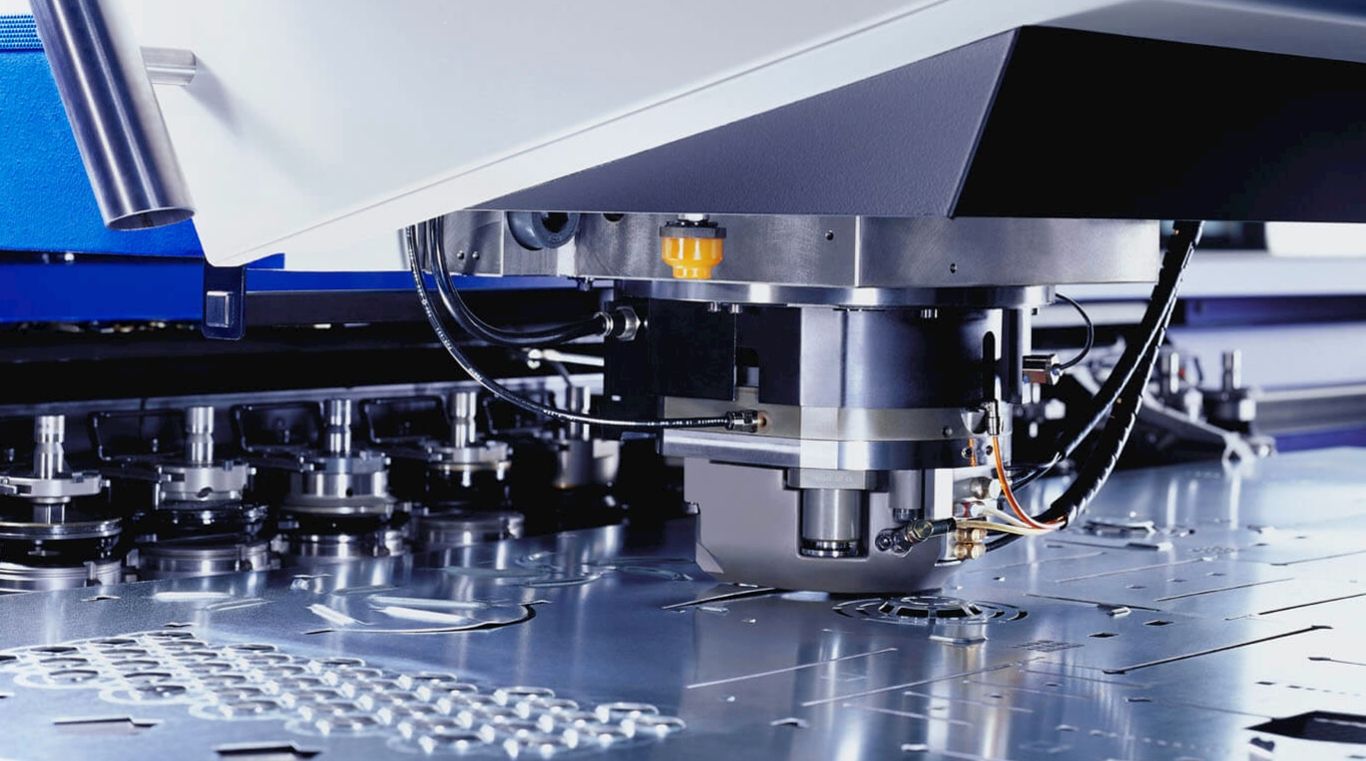
Power punch machines are versatile tools widely used in metalworking and manufacturing industries to cut, shape, and form metal sheets with precision and speed. Their design allows for efficient, high-volume production, making them indispensable for many industrial applications. Depending on operational requirements, power punch machines come in various types, each with unique features and capabilities suited for specific tasks. Understanding these types helps manufacturers select the right machine for their production needs.
Mechanical Power Punch Machines
Mechanical power punch machines are among the most commonly used types. These machines rely on mechanical systems such as flywheels, gears, and crankshafts to deliver a consistent punching force. They are ideal for high-speed operations and repetitive tasks, making them suitable for large-scale production of sheet metal components. Mechanical machines are particularly effective in industries such as automotive and appliance manufacturing, where speed and consistency are critical. Many Power Punch Machine operations utilize mechanical systems for their reliability and ability to handle high-volume work without compromising precision.
Hydraulic Power Punch Machines
Hydraulic power punch machines use fluid pressure to generate the punching force, offering several advantages over mechanical systems. These machines provide adjustable pressure and stroke control, allowing operators to handle a variety of material thicknesses and types with high precision. Hydraulic machines are commonly used in aerospace, construction, and heavy-duty metal fabrication, where flexibility and the ability to punch thick materials are essential. Their smooth operation also reduces wear on components, increasing the machine’s lifespan and reducing maintenance requirements.
CNC and Computerized Power Punch Machines
CNC (Computer Numerical Control) power punch machines represent the latest advancement in punching technology. These machines use computerized controls to automate the punching process, enabling precise patterns, complex shapes, and repeatable results. CNC machines are highly versatile and can switch between different operations without extensive manual adjustments. They are widely used in industries requiring detailed designs, such as electronics, aerospace, and custom metalwork. By integrating software and digital controls, manufacturers can optimize production efficiency, reduce errors, and achieve consistent quality.
Servo-Driven Power Punch Machines
Servo-driven power punch machines utilize electric servo motors instead of traditional mechanical or hydraulic drives. These motors provide precise control over speed, force, and position, allowing for highly accurate punching operations. Servo-driven machines are energy-efficient and offer faster cycle times compared to conventional systems. They are ideal for small to medium-sized production runs where precision and adaptability are important. Additionally, servo-driven machines enable manufacturers to easily program complex punching sequences, improving flexibility and reducing production downtime.
Combination Power Punch Machines
Some modern facilities use combination power punch machines that integrate multiple technologies into a single system. These machines may combine hydraulic and mechanical drives or include CNC capabilities alongside traditional power systems. The hybrid approach allows manufacturers to benefit from the strengths of each system, such as high-speed mechanical punching and flexible hydraulic operations. Combination machines are especially valuable for shops that handle diverse production requirements, offering both versatility and efficiency in one platform.
Applications Across Industries
Power punch machines are applied across various industries, each type selected based on material, production volume, and precision requirements. In the automotive sector, mechanical and hydraulic machines are used for body panels, brackets, and chassis components. In electronics, CNC and servo-driven machines produce precise enclosures, panels, and mounting hardware. Construction and HVAC industries utilize hydraulic and mechanical systems for structural components, perforated panels, and ductwork. Even small-scale manufacturers and custom workshops benefit from servo-driven and combination machines to achieve detailed, high-quality results.
Advantages of Using the Right Type
Selecting the appropriate type of power punch machine provides multiple advantages. Mechanical systems are ideal for high-speed repetitive tasks, hydraulic machines offer flexibility for thick materials, CNC machines provide precision and repeatability, and servo-driven machines deliver energy efficiency and adaptability. Using the correct machine type ensures efficient production, minimal material waste, reduced downtime, and improved product quality. Manufacturers can match the machine’s capabilities to their specific operational needs, resulting in optimal performance and cost-effectiveness.
Conclusion
The diversity of Power Punch Machine types allows manufacturers to meet a wide range of production demands. From mechanical and hydraulic machines to CNC, servo-driven, and combination systems, each type offers unique benefits suited to specific applications. Understanding these machines’ capabilities and uses is essential for selecting the right solution for any industrial operation. By choosing the appropriate type, manufacturers can enhance productivity, achieve precise results, and maintain a competitive edge in today’s manufacturing landscape.


