
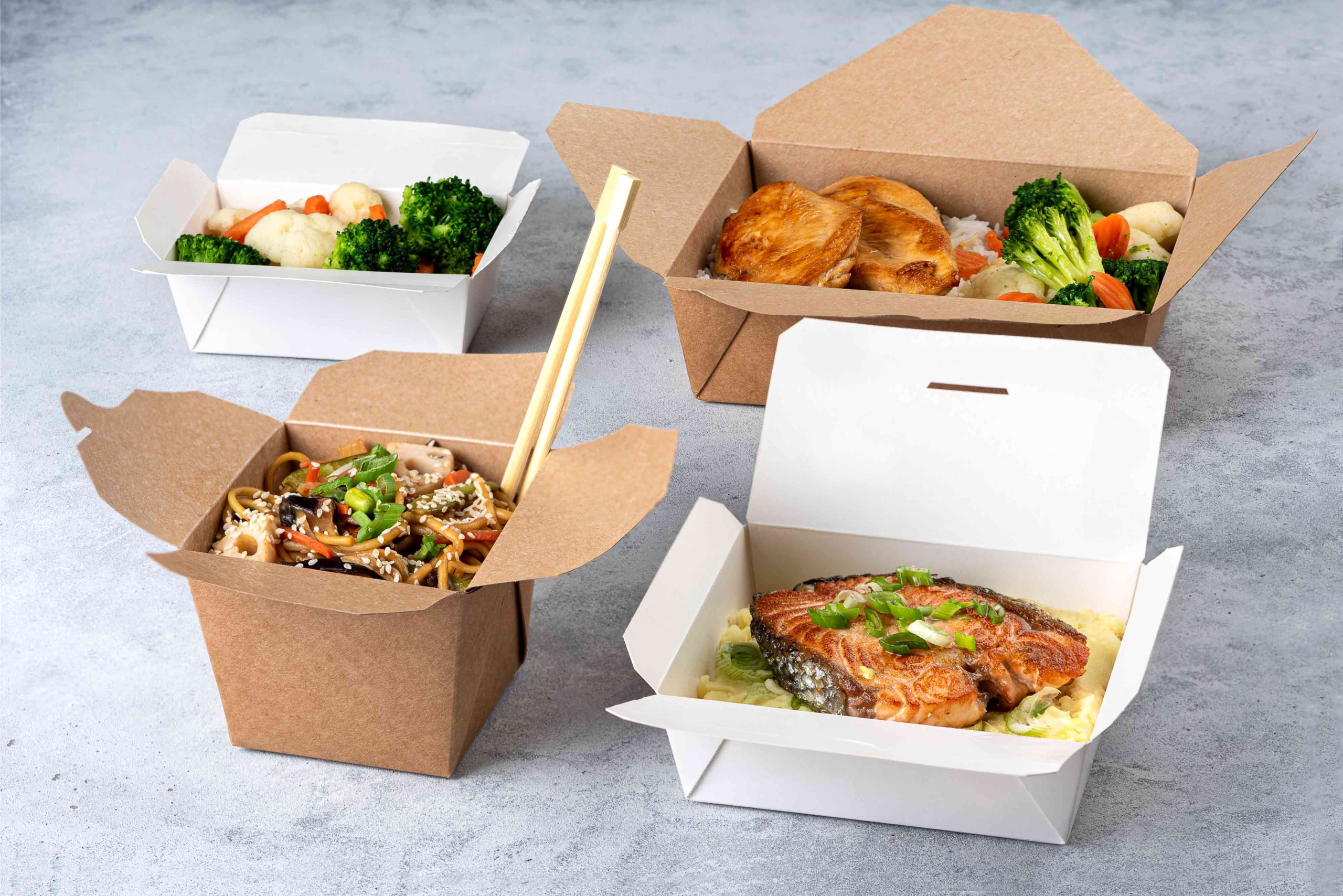
The rise of takeaway and delivery services has transformed the foodservice industry, creating new challenges for restaurants and food providers. One of the most critical aspects of this transformation is packaging. Proper packaging ensures that meals maintain their quality, temperature, and presentation while being transported from the restaurant to the customer. Fast food boxes play a central role in supporting efficient, safe, and appealing takeaway and delivery operations.
One effective solution for reliable packaging is fast food boxes. These boxes are designed to hold a variety of meals securely while preserving freshness and preventing spillage. By using appropriate packaging, restaurants can ensure that customers receive their orders in excellent condition, whether it is a short trip from the kitchen or a longer delivery route.
Maintaining Food Temperature
A major function of fast food boxes in takeaway and delivery services is temperature retention. Hot meals like burgers, fries, pasta, and fried chicken need boxes that keep food warm while allowing excess steam to escape to prevent sogginess. Insulated materials, corrugated designs, and vented lids are commonly used to achieve this balance.
For cold meals, such as salads, sandwiches, and desserts, packaging must prevent heat transfer from the environment. Boxes that resist moisture and condensation help maintain freshness, keeping ingredients crisp and flavorful. Proper temperature control ensures that customers receive meals that are as enjoyable as they would be when served in the restaurant.
Protection During Transport
Fast food boxes provide essential protection against damage during transport. Sturdy construction and secure lids prevent crushing, spilling, or mixing of ingredients, which is especially important when multiple orders are stacked for delivery.
Restaurants that rely heavily on delivery services benefit from durable packaging because it reduces complaints, returns, and waste. Secure boxes also protect against contamination from dust, moisture, or external factors, ensuring food safety and hygiene.
Convenience and Functionality
Takeaway and delivery services require packaging that is easy to handle for both restaurant staff and delivery personnel. Fast food boxes are designed to be lightweight, stackable, and easy to carry, streamlining operations from preparation to delivery.
Functional features like compartmentalized sections allow sauces, toppings, or side dishes to remain separate from main meals. Handles or ergonomic designs further enhance convenience, allowing customers to transport meals comfortably. These features reduce the risk of spills, maintain food presentation, and improve overall customer satisfaction.
Branding and Customization
Fast food boxes are not just practical—they also serve as marketing tools. Customizable packaging allows restaurants to include logos, colors, slogans, or promotional messages, helping reinforce brand identity. High-quality printing enhances visual appeal, making meals instantly recognizable and creating a professional impression.
Custom packaging also offers opportunities for seasonal promotions, limited-time offers, or interactive elements such as QR codes linking to menus, loyalty programs, or social media channels. This combination of functionality and branding strengthens customer engagement and loyalty.
Supporting Sustainability
Sustainability is increasingly important for modern takeaway and delivery services. Many fast food boxes are now made from biodegradable or recyclable materials, such as sugarcane bagasse, bamboo fiber, or recycled paper. These eco-friendly options help reduce environmental impact while maintaining the strength and durability needed for transport.
Offering sustainable packaging also appeals to environmentally conscious customers, improving brand perception and loyalty. Restaurants can communicate their commitment to sustainability through printed messages or symbols on the packaging, adding value to the takeaway and delivery experience.
Operational Efficiency
Using high-quality fast food boxes contributes to operational efficiency. Consistent sizing and design make it easier to stack and store packaging in the kitchen or delivery vehicles. Standardized packaging also simplifies portioning, reduces preparation time, and minimizes errors when fulfilling multiple orders.
Reliable packaging reduces waste caused by damaged or defective boxes, allowing staff to focus on preparing meals rather than troubleshooting packaging issues. Efficient handling and consistent packaging directly enhance the overall performance of takeaway and delivery services.
Conclusion
Fast food boxes are essential for supporting modern takeaway and delivery services. They preserve food temperature, protect meals during transport, enhance convenience, reinforce branding, support sustainability, and improve operational efficiency. By investing in well-designed and appropriate packaging, restaurants can ensure that meals reach customers in optimal condition, maintaining the same quality and presentation as in-house dining.
Effective use of fast food boxes not only improves the customer experience but also strengthens brand reputation, streamlines operations, and supports sustainable practices. For restaurants embracing the growing takeaway and delivery market, high-quality packaging is an indispensable part of their success strategy.


