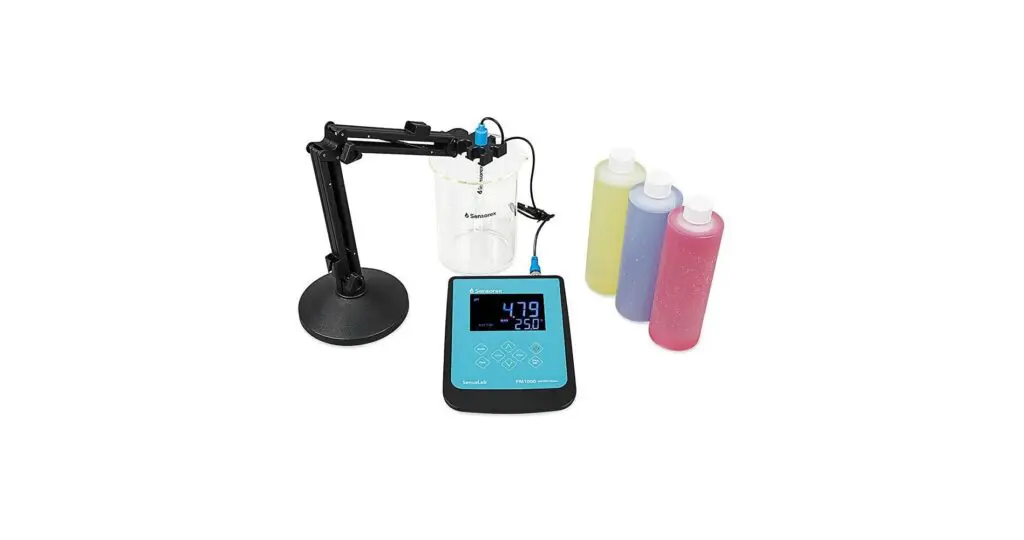
Accurate chemical analysis depends on precise measurement of fundamental parameters, and pH is one of the most critical among them. Whether working in a research laboratory, an industrial production facility, or an environmental testing site, understanding the acidity or alkalinity of a solution directly affects the reliability of analytical results. Even slight variations in pH can alter reaction pathways, influence solubility, and affect the stability of chemical compounds. This is why dependable pH measurement is a cornerstone of modern chemical analysis.
To achieve this level of precision, laboratories and industries rely on instruments specifically designed to detect hydrogen ion activity. A properly selected pH sensor allows analysts to move beyond estimations and subjective indicators, providing quantifiable data that supports accurate conclusions. By integrating reliable pH measurement into analytical workflows, professionals can ensure consistency, repeatability, and confidence in their findings.
The Role of pH in Chemical Reactions
pH plays a decisive role in how chemical reactions occur. Reaction rates, equilibrium positions, and product yields can all be influenced by the acidity or alkalinity of the reaction environment. In acid-base reactions, pH directly determines reactant availability. In redox and precipitation reactions, it affects ion stability and solubility.
Without precise pH control, experimental outcomes may vary from one batch to another, leading to inconsistent data and unreliable conclusions. Accurate pH measurement ensures that reactions proceed under defined conditions, making results reproducible and scientifically valid.
Enhancing Accuracy in Analytical Measurements
Chemical analysis often involves detecting small changes in concentration or composition. pH measurement supports this process by providing contextual information about the sample. For example, many analytical techniques, such as titration and chromatography, depend on maintaining a specific pH range to function correctly.
Using a reliable sensor allows analysts to detect subtle pH shifts that might otherwise go unnoticed. This sensitivity is especially important in high-precision fields such as pharmaceutical research, where even minor deviations can compromise product quality or safety.
Supporting Consistency in Laboratory Workflows
Consistency is a defining requirement of any analytical laboratory. Standard operating procedures are designed to minimize variability, and accurate pH monitoring is a key part of that effort. A stable pH environment helps ensure that samples behave predictably during analysis.
By integrating pH measurement into routine workflows, laboratories can reduce experimental errors and improve comparability between different tests. This consistency is essential for quality control, method validation, and regulatory compliance.
Importance in Industrial Chemical Analysis
Beyond laboratory settings, pH measurement is equally vital in industrial chemical analysis. Manufacturing processes often involve large-scale reactions where pH must be tightly controlled to maintain efficiency and safety. Deviations can lead to reduced yields, equipment corrosion, or the formation of unwanted byproducts.
In these environments, continuous pH monitoring supports real-time adjustments, allowing operators to maintain optimal conditions throughout the process. This not only improves product quality but also reduces waste and operational costs.
Environmental and Regulatory Considerations
Chemical analysis is frequently used to assess environmental samples such as water, soil, and wastewater. pH is a key indicator of environmental health and regulatory compliance. Accurate measurement ensures that samples meet established standards and that potential hazards are identified early.
Regulatory agencies often require documented pH data as part of compliance reporting. Reliable sensors provide traceable and verifiable measurements, helping organizations meet legal and environmental responsibilities with confidence.
Improving Decision-Making Through Reliable Data
Accurate chemical analysis ultimately supports informed decision-making. When pH data is reliable, scientists and engineers can interpret results with greater certainty and take appropriate actions. This applies to research conclusions, process optimization, and quality assurance decisions.
Inaccurate or inconsistent pH readings, on the other hand, can lead to flawed interpretations and costly mistakes. Investing in proper pH measurement tools strengthens the overall integrity of analytical data.
Long-Term Value of Accurate pH Measurement
The importance of precise pH measurement extends beyond individual tests or experiments. Over time, consistent and accurate data builds trust in analytical methods and supports continuous improvement. Organizations that prioritize reliable pH measurement benefit from improved efficiency, reduced errors, and stronger compliance with industry standards.
By recognizing the essential role pH plays in chemical analysis, professionals can enhance the quality of their work and ensure that analytical results remain accurate, reproducible, and meaningful across a wide range of applications.